 Gloria Glover
Dahlias are a gardener’s delight, known for their vibrant colors and diverse bloom shapes. They’re a favorite choice for adding a splash of color to any garden, but one question often arises: are dahlias annuals or perennials? Understanding the growth habits of dahlias can help you make the most of these stunning flowers in your garden.
What Are Dahlias?
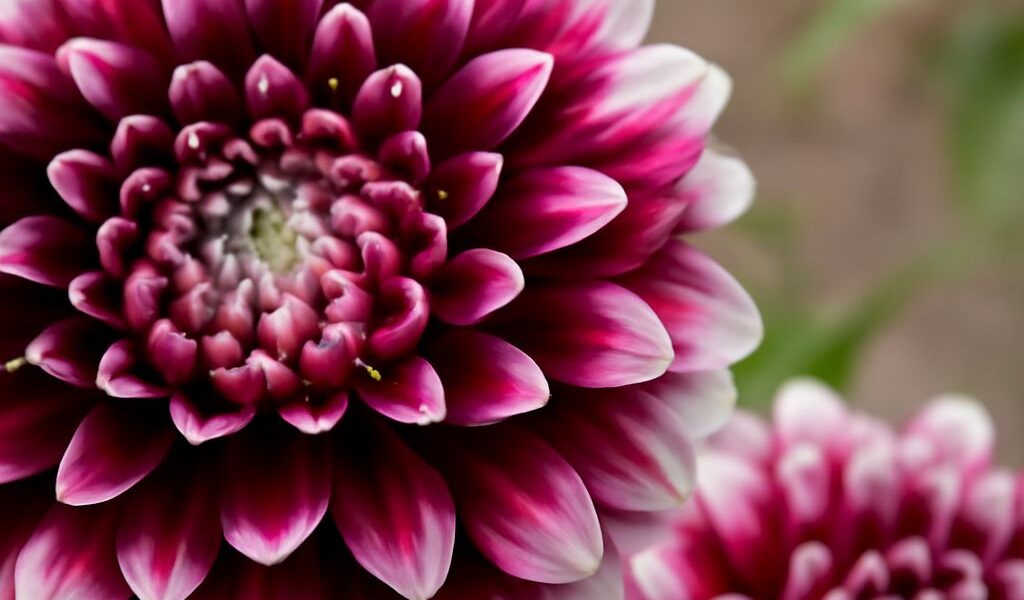
Dahlias flowers are native to Mexico and Central America, thriving in sunny, warm climates. They belong to the Asteraceae family, making them relatives of sunflowers and daisies. With over 42 species and countless hybrids, dahlias provide a wide array of colors and sizes, ranging from tiny pompons to large dinner-plate blooms. These versatile flowers can complement various garden designs, whether you’re aiming for a romantic cottage garden or a modern landscape.
Are Dahlias Annuals or Perennials?
To answer the question, dahlias are technically perennials. They have tuberous roots that store energy, allowing them to regrow each year. However, their perennial nature depends on the climate. In USDA hardiness zones 8-10, dahlias can be left in the ground year-round, as these regions provide the frost-free conditions dahlias need to survive winter. In colder climates, though, dahlias are often treated as annuals because the tubers will not survive freezing temperatures.
For those in cooler areas, the solution is to dig up and store the tubers over winter. Once the threat of frost has passed in the spring, the tubers can be replanted, allowing them to flourish once more. This extra care transforms the dahlia from an annual in appearance to a perennial in practice.
Growing Dahlias in Your Garden
Planting dahlias is relatively straightforward, whether you start from tubers or seedlings. Here’s a simple guide to growing these vibrant flowers:
- Site Selection: Choose a spot with full sun and well-draining soil. Dahlias thrive in these conditions and will reward you with abundant blooms.
- Planting: If using tubers, plant them about 6-8 inches deep with the “eye” facing up. Space them 12-18 inches apart to allow for growth.
- Watering: Dahlias require consistent moisture but be cautious of overwatering. Water deeply once or twice a week, depending on rainfall and temperature.
- Fertilizing: Use a balanced fertilizer every month during the growing season to provide essential nutrients for robust growth.
- Maintenance: Support taller varieties with stakes, and regularly deadhead spent flowers to encourage more blooms.
- Winter Care: In colder zones, dig up the tubers after the first frost, let them dry, and store them in a cool, dry place until spring.
Common Varieties of Dahlias
Dahlias come in a delightful range of varieties, each offering something unique to the garden:
- Bishop of Llandaff: Known for its striking red blooms and dark foliage, this dahlia adds dramatic contrast.
- Gallery Art Fair: Featuring compact growth and white flowers, it’s perfect for containers and borders.
- Café au Lait: A favorite for weddings, its large, creamy blooms are both elegant and eye-catching.
- Kelvin Floodlight: This giant yellow dahlia is ideal for creating a sunny focal point in the garden.
Whether you’re new to gardening or a seasoned pro, understanding the characteristics of dahlias flowers can help you enjoy their beauty year after year. With the right care and climate considerations, dahlias can be a perennial joy in your garden.