 Gloria Glover
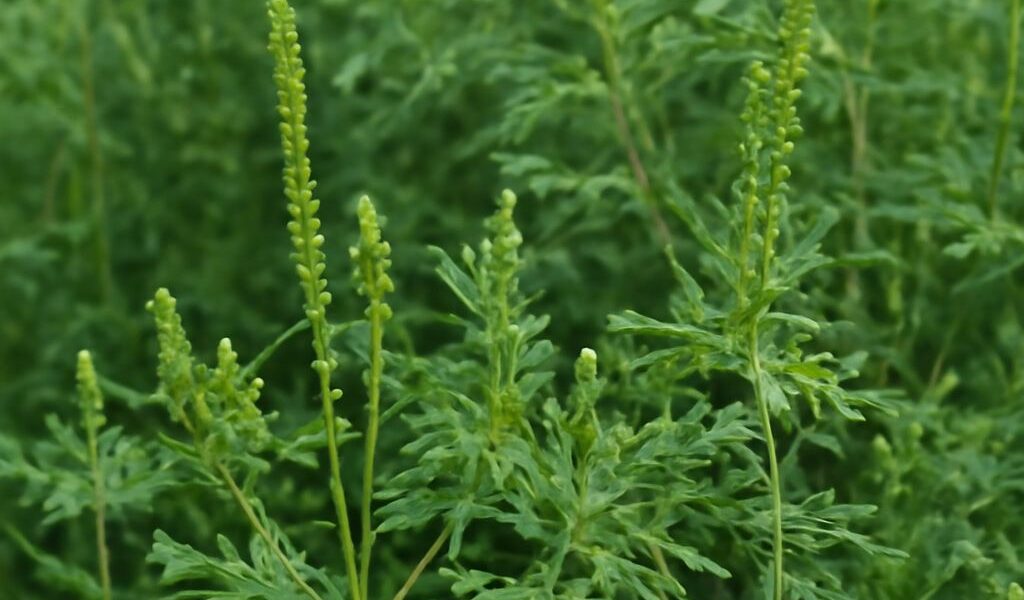
Gardening is a rewarding hobby, offering both beauty and sustenance. However, maintaining a healthy garden means keeping an eye out for those pesky garden weeds. While it might seem daunting to identify weeds by photo, there’s a method to the madness. With the right tools and knowledge, we can easily pinpoint these invasive plants and address them appropriately.
Why Identifying Weeds is Important
Identifying weeds accurately is crucial for several reasons. Firstly, not all weeds are harmful. Some might even benefit your garden by attracting beneficial insects or adding nutrients to the soil. However, many weeds compete with your plants for nutrients, sunlight, and water, which can hinder the growth of your desired plants. By identifying them correctly, we can decide which weeds need to be removed and which can coexist peacefully with our garden plants.
Common Garden Weeds and Their Characteristics
There are numerous types of garden weeds, each with distinct characteristics that make them identifiable. Some of the most common ones include:
- Dandelions: Recognized by their bright yellow flowers and deeply toothed leaves, dandelions are perennial weeds that can be a challenge to eradicate.
- Clover: Often found in lawns, clover is identifiable by its trifoliate leaves and small white or pink flowers.
- Crabgrass: A common lawn weed, crabgrass has a distinctive coarse texture and spreads quickly in patches.
- Bindweed: Known for its vine-like growth and trumpet-shaped flowers, bindweed can suffocate other plants if not controlled.
Using Photos to Identify Weeds
Thanks to technology, identifying weeds by photo has become incredibly accessible. Many apps and online resources can help. Simply take a clear photo of the weed in question and upload it to an app like PlantSnap or PictureThis. These apps use image recognition technology to match your photo with a database of known plant species, providing you with instant identification and information about the weed.
When taking photos for identification, ensure the image is clear and captures distinctive features like the leaves, flowers, and growth patterns. This will increase the accuracy of the identification.
Effective Weed Management Strategies
Once we’ve identified the weeds in our garden, the next step is managing them effectively. Here are a few strategies that can help:
- Hand Pulling: For small infestations, manually removing weeds by pulling them out by the root can be effective. Ensure you get the entire root to prevent regrowth.
- Mulching: Applying a layer of mulch can suppress weed growth by blocking sunlight and retaining soil moisture.
- Herbicides: When dealing with more invasive species or large infestations, targeted herbicide use might be necessary. Always follow the manufacturer’s instructions to avoid harming your plants.
- Regular Maintenance: Regularly monitoring your garden and quickly addressing any new weed growth can prevent them from becoming a larger problem.
By employing these strategies, we can keep our gardens healthy and weed-free, allowing our plants to thrive.