 Gloria Glover
The savanna is a remarkable biome, characterized by its vast grasslands and scattered trees. It covers large areas in regions such as Africa, South America, and Australia, playing a crucial role in our planet’s biodiversity. Let’s explore what defines the savanna, delve into some captivating savanna facts, and understand the importance of this ecosystem to our planet.
What Defines the Savanna?
The savanna is defined by its unique climatic and geographical features. This biome typically experiences a tropical climate with distinct wet and dry seasons. During the wet season, the savanna bursts into life, with grasses growing tall and lush. The dry season, however, presents a stark contrast, as much of the vegetation becomes dormant, and water sources shrink considerably.
Geographically, the savanna is characterized by its expansive grasslands interspersed with occasional trees, such as acacias and baobabs. These trees have adapted to survive in the savanna’s challenging conditions, often with deep roots to access underground water.
Key Facts About Savanna Ecosystems
One of the most intriguing savanna facts is its biodiversity. The savanna is home to a diverse array of plant and animal species, many of which have adapted uniquely to this environment. For instance, the grasses in the savanna have evolved to withstand grazing by herbivores and frequent fires, playing a key role in nutrient cycling.
Moreover, the savanna covers about 20% of the Earth’s land surface. This extensive coverage makes it a vital component of our planet’s ecosystems, influencing global weather patterns and serving as a significant carbon sink.
Wildlife in the Savanna
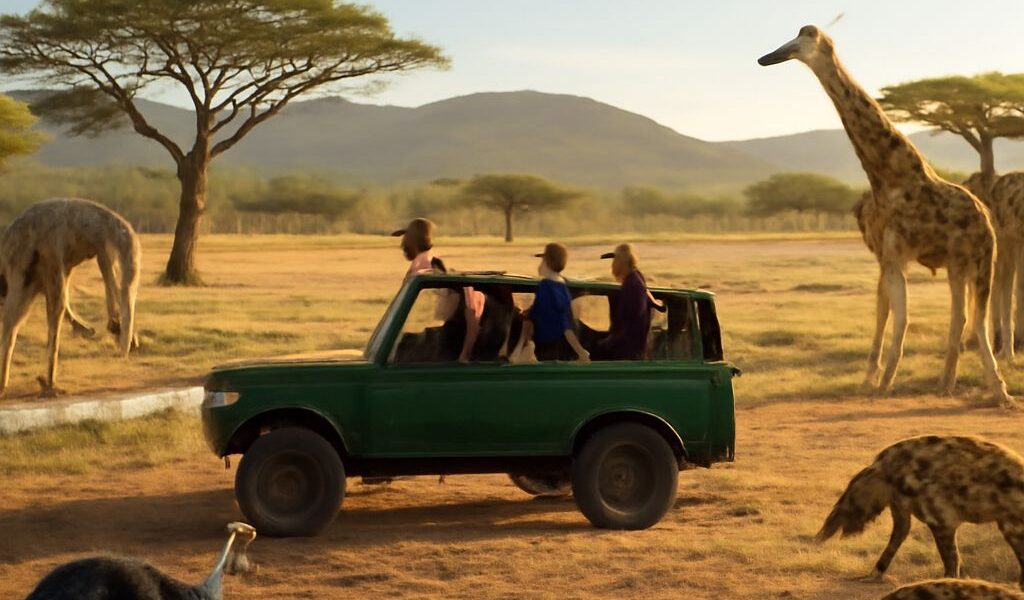
Wildlife in the savanna is as diverse as it is iconic. The African savanna, in particular, is renowned for its spectacular array of animals, including elephants, lions, giraffes, and zebras. These animals have adapted to the savanna’s seasonal variations, with many undertaking long migrations in search of water and fresh grazing grounds.
In addition to large mammals, the savanna is home to a rich variety of bird species, reptiles, and insects. This biodiversity contributes to a complex food web, sustaining predators and prey alike.
The Importance of Savannas to Our Planet
The importance of savannas extends far beyond their immediate ecological roles. They are crucial for carbon sequestration, helping to mitigate the effects of climate change. The grasses and trees of the savanna absorb carbon dioxide during photosynthesis, storing carbon in their biomass.
Furthermore, savannas support human livelihoods. Many communities depend on the savanna for grazing livestock, agriculture, and tourism. The cultural significance of the savanna is also profound, with many indigenous practices and lifestyles closely tied to this biome.
In conclusion, the savanna is a dynamic and essential part of our Earth’s ecosystem. By understanding and protecting this unique biome, we contribute not only to the conservation of its incredible biodiversity but also to the overall health of our planet.