 Gloria Davis
Wetland mitigation banks play a vital role in balancing development and conservation. As urban areas expand, the demand for sustainable environmental solutions grows. Mitigation banking offers a method to restore and protect wetlands, ensuring ecological preservation while allowing for necessary development. Let’s delve into how these banks function, their benefits, and the challenges they face.
What Are Wetland Mitigation Banks?
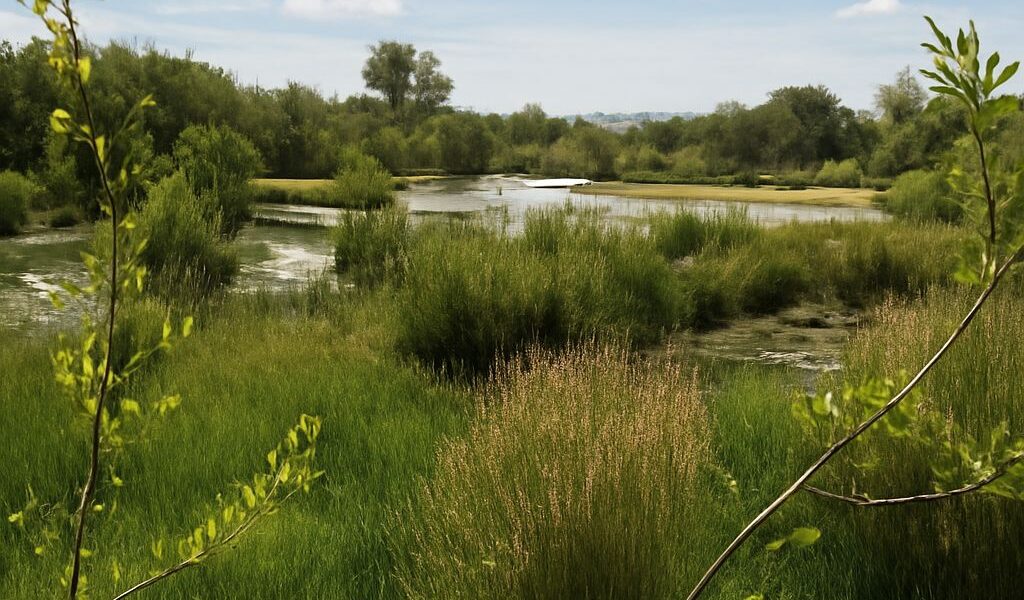
A wetland mitigation bank is a site where wetlands are restored, created, enhanced, or preserved to compensate for future conversions of wetlands for development activities elsewhere. These banks operate under a regulatory framework that allows developers to purchase credits from the bank, effectively offsetting their environmental impact. This system promotes large-scale conservation projects and ensures compliance with federal, state, and local regulations.
How Mitigation Banking Works
Mitigation banking involves a straightforward process. First, a sponsor, often a private entity or government agency, establishes and manages the bank by restoring, creating, or preserving wetlands. The bank is assessed and approved by regulatory agencies. Once approved, the bank generates credits, representing a quantifiable environmental benefit. Developers, in need of compensatory mitigation for their projects, purchase these credits, providing funding for the bank’s continued operation and conservation efforts.
Benefits of Mitigation Banking
Mitigation banking offers several advantages. It provides a streamlined, efficient way for developers to meet regulatory requirements, saving time and resources. By concentrating efforts in larger, ecologically significant areas, mitigation banks often achieve better conservation outcomes compared to small, scattered projects. Additionally, these banks promote biodiversity, improve water quality, and serve as critical habitats for various species, contributing to overall ecosystem health.
Challenges and Considerations
Despite its benefits, mitigation banking faces challenges. Establishing a wetland mitigation bank requires significant upfront investment and expertise to ensure ecological success. Regulatory complexities and lengthy approval processes can also pose hurdles. Moreover, the success of a bank depends on continuous monitoring and adaptive management to address ecological changes and ensure that the bank meets its conservation goals. Developers and bank sponsors must work closely with regulatory bodies to navigate these challenges effectively.