 Gloria Davis
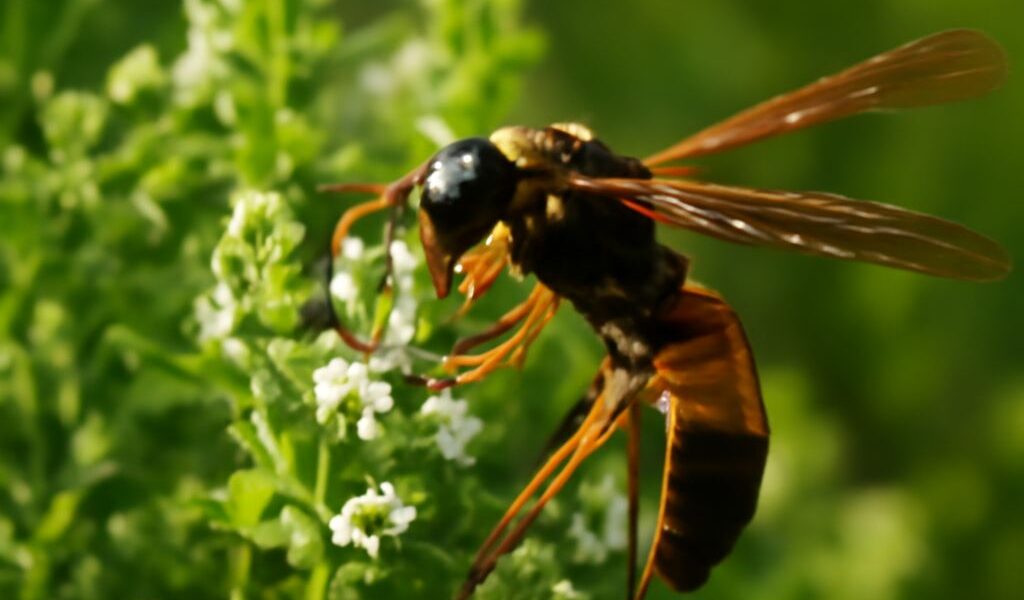
When we think about wasps and hornets, our first thoughts often drift towards their painful stings. However, these insects play crucial roles in ecosystems that we might overlook. Understanding what are wasps good for and why do hornets exist helps us appreciate their importance and the balance they bring to nature.
The Role of Wasps in Ecosystems
Wasps are more than just their sting; they are vital players in maintaining ecological balance. One of their primary roles is pest control. Many wasps are predatory, feeding on other insects that are often considered pests in agriculture or gardens. By keeping these populations in check, wasps help reduce the need for chemical pesticides, promoting a healthier environment.
Additionally, wasps are involved in pollination. While bees get most of the credit, some wasp species contribute to pollinating plants, thus supporting biodiversity. Their contribution might be less pronounced, but it’s essential for certain plant species that rely on wasps for reproduction.
Why Hornets Are Important
Hornets, a subset of wasps, also play significant roles in ecosystems. Like their wasp relatives, hornets are predators of insects, aiding in natural pest control. This is particularly beneficial in forested areas where they help manage populations of caterpillars and beetles.
Moreover, hornets help decompose animal carcasses by feeding on them. This scavenging activity is vital for nutrient cycling in ecosystems. By breaking down dead organisms, hornets contribute to soil fertility and thus support plant growth.
The Benefits of Wasps and Hornets
The presence of wasps and hornets offers several ecological benefits beyond pest control and pollination. They serve as a food source for various animals, including birds and mammals. This positions them as a crucial link in food chains, supporting biodiversity at different trophic levels.
Additionally, studying wasps and hornets can provide insights into the health of ecosystems. Changes in their populations might indicate environmental shifts, such as climate change or habitat loss. Therefore, monitoring these insects can offer early warnings about ecological imbalances.
In conclusion, understanding the wasps’ purpose and recognizing the significance of hornets allows us to appreciate the integral roles these insects play in our world. While their stings might be feared, their ecological contributions are invaluable, reminding us of the intricate connections that sustain life on Earth.