 Gloria Davis
The phosphorus cycle is a critical process that plays a vital role in the health of ecosystems. It involves the movement of phosphorus through the lithosphere, hydrosphere, and biosphere. As we explore the steps of the phosphorus cycle, it’s essential to understand how human activities can impact this delicate balance, affecting forests and other habitats.
What is the Phosphorus Cycle?
The phosphorus cycle is the biogeochemical cycle that describes the movement of phosphorus through the natural environment. Unlike the carbon or nitrogen cycles, phosphorus does not have a gaseous state under natural conditions. Instead, it moves through soil, water, and living organisms, making it essential for plant growth and energy transfer in living cells.
Key Steps in the Phosphorus Cycle
Understanding the phosphorus cycle steps is crucial to appreciating its role in ecosystems:
- Weathering: Phosphorus starts in rocks and minerals. Through weathering, these rocks release phosphate ions into the soil, making them accessible to plants.
- Absorption by Plants: Plants absorb phosphate ions from the soil. This phosphorus becomes part of the plant’s organic compounds, critical for functions like energy transfer and photosynthesis.
- Consumption by Animals: When animals eat plants, they take in phosphorus, which becomes part of their biological systems.
- Decomposition: When plants and animals die, decomposers, such as bacteria and fungi, break down their organic matter, releasing phosphorus back into the soil or water.
- Sedimentation: Some phosphorus washes into bodies of water and can eventually become part of the sediment at the bottom, where it may remain for long periods.
- Geological Uplift: Over geological timescales, sedimentary rocks can be uplifted to become land, where weathering will start the cycle anew.
Human Impact on the Phosphorus Cycle
Human activities significantly affect the phosphorus cycle, leading to environmental consequences. Here’s how do humans affect the phosphorus cycle:
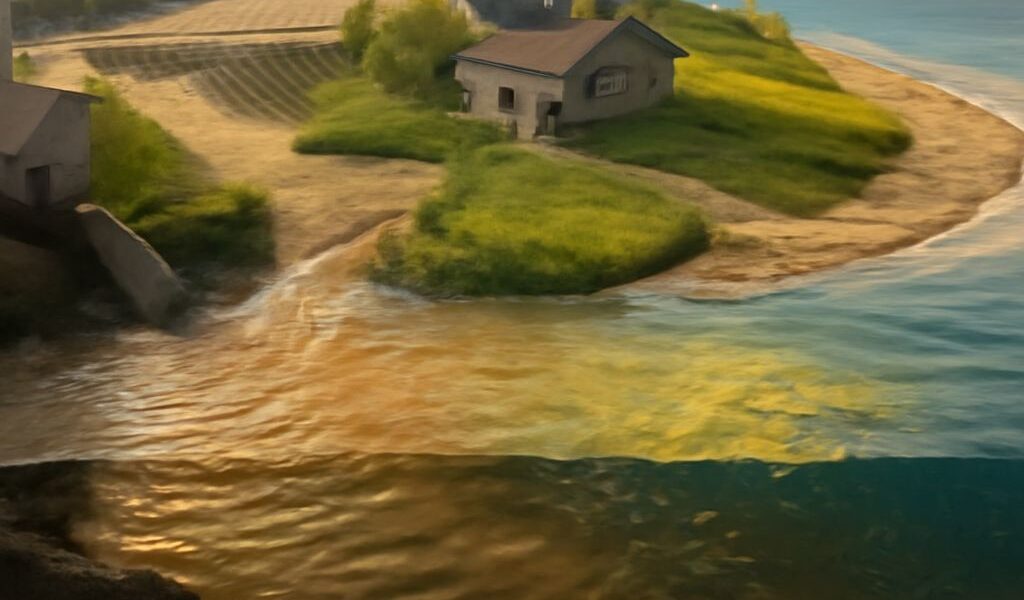
- Fertilizer Use: The use of phosphorus-rich fertilizers in agriculture can lead to runoff into water bodies, causing eutrophication. This process results in excessive nutrient levels, leading to algal blooms and oxygen depletion.
- Deforestation: Removing trees from land disrupts the phosphorus cycle by reducing the soil’s ability to retain phosphorus, leading to nutrient loss.
- Waste Disposal: Human and animal waste contains phosphorus, which can enter waterways due to inadequate waste treatment, exacerbating nutrient pollution.
- Mining: Phosphate mining for agricultural fertilizers disrupts terrestrial phosphorus deposits, altering natural distribution and availability.
By understanding these impacts, we can develop strategies to mitigate negative effects, promoting the balance and sustainability of ecosystems. Awareness and responsible practices are crucial to maintaining the integrity of the phosphorus cycle for future generations.