 Gloria Davis
A wildfire is sometimes described as if climate change alone struck the match. In reality, a fire needs an ignition, whether lightning or a human source, as well as vegetation that can burn. A changing climate influences wildfires by altering the conditions that determine how readily a spark grows and how far flames can travel.
The relationship between a warming climate and wildfires is therefore a story of dry leaves and living trees, wind and rainfall, and the way people manage land. Its details differ from one landscape to another.
Climate Change, Wildfires, and Local Landscapes
Climate describes patterns over many years; weather describes conditions on a particular day. A hot, windy afternoon can carry flames rapidly through dry vegetation. Long-term warming can make hot conditions more common and increase the atmosphere’s demand for moisture, drying grasses, needles, and other fuels. Less water in those materials means less heat is needed to bring them to the point of burning.
During a discussion of climate change, wildfires can seem like a single uniform phenomenon. The link between climate warming and wildfires varies with the landscape: forests, shrublands, and grasslands contain different fuels and respond differently to rain and heat. In many western U.S. forests, the Fifth National Climate Assessment reports that warming has dried fuels and contributed to increases in burned area. The same numerical relationship should not be transferred automatically to every region.
Rainfall also matters. A wet period may encourage grasses to grow; when those grasses later dry, they can provide a fine, continuous path for flames. In an already arid landscape, however, prolonged lack of rain can limit plant growth and leave less fuel. The amount of vegetation and its moisture both shape the outcome.
From Dry Fuel to a Moving Fire
How does climate change affect wildfires? The answer has several parts. Warmer conditions can lengthen the period during which fuels are dry enough to burn. Drought can stress vegetation, while heat and low humidity draw moisture from dead leaves and twigs. These changes can raise the chance that an ignition becomes a larger fire, provided there is enough fuel to carry it.
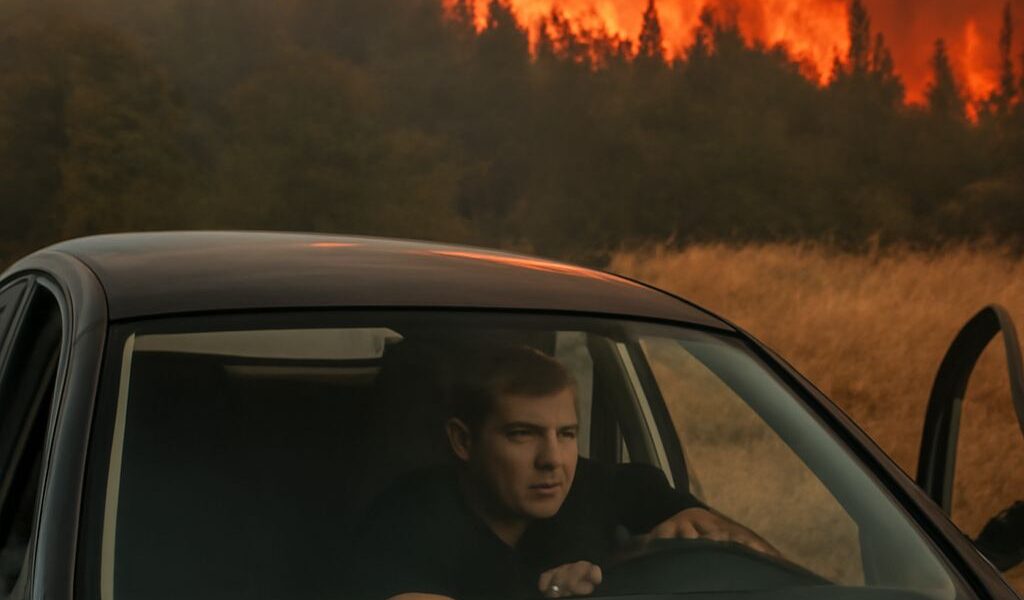
Wind then influences the fire’s behavior on a particular day. It supplies oxygen, pushes flames toward unburned material, and can carry embers ahead of the fire. Steep slopes can also help fire move uphill by preheating vegetation above it. Even under the same climate, a shift in wind, a rainstorm, or a change in terrain can alter a fire’s course.
Fire intensity and severity describe related but different things. Intensity concerns the energy released by the flames; severity describes effects on the ecosystem, such as the loss of vegetation or changes to soil. Hot, dry conditions can contribute to severe outcomes, but fuel arrangement, fire behavior, and the characteristics of the ecosystem also matter.
A Spark Has Its Own History
Lightning can ignite remote forests. People can also start fires through equipment, power lines, unattended campfires, or other activities. An investigation may identify a particular ignition source without settling every question about why the resulting fire grew as it did. Similarly, evidence that warming has increased fire-conducive conditions does not identify the spark in a particular event.
Scientists study climate’s influence by comparing observations and models, including estimates of how warming has changed fuel dryness and the likelihood of fire weather. A study of a specific event requires its own analysis. Research on wildfires and climate change can describe an increased likelihood or contribution to an observed trend without saying that every fire would have been impossible in a cooler world.
Land Management Changes the Fuel
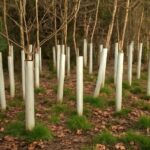
In some forests, decades of fire suppression have allowed dense trees and undergrowth to accumulate. In places where frequent low-intensity fire once maintained more open conditions, this can leave more material available to burn. Development near vegetation also brings more potential ignition sources and puts more people and buildings in the path of fire.
When assessing wildfires, climate change, and land management, the local history matters. Prescribed fire and selective thinning can reduce fuels in suitable ecosystems when planned and carried out under appropriate conditions. They also have limits: a treatment’s effectiveness depends on its location, upkeep, and the weather a future fire encounters. Indigenous fire stewardship and local ecological knowledge can inform decisions about the role of fire on a particular landscape.
What Can Communities Do?
Understanding how a changing climate affects wildfire helps communities address several causes at once. Reducing greenhouse gas emissions limits additional warming over time. Locally, residents can follow fire restrictions, keep ignition sources away from dry vegetation, and prepare homes and evacuation plans using guidance from local fire authorities. Land managers can choose fuel treatments appropriate to the ecosystem, while public health agencies can plan for smoke.
Does this mean every fire can be prevented? No. Fire is a natural process in many landscapes, and some ignitions will occur. The practical goal is to reduce avoidable ignitions and help people and ecosystems face fire under conditions that are changing.
Sources: Fifth National Climate Assessment: forests; Fifth National Climate Assessment: western wildfires; Fifth National Climate Assessment: Southwest.