 Gloria Davis
A maple does not yield syrup straight from its trunk. Its late-winter sap is clear and only mildly sweet; syrup appears after much of the water has been boiled away. A kit for tapping a maple tree gives you the means to collect that liquid, while making syrup calls for a separate set of equipment and a good deal of heat.
The small spouts used to tap maple trees also leave wounds in living wood. A modest harvest begins with a healthy, mature tree, a clean opening, and the willingness to stop when spring advances.
Choose the tree before the equipment
Sugar, red, and silver maples can all provide sap. Sugar maple is prized for its relatively sweet sap, but a healthy red or silver maple may be a practical choice where it grows. Identify the species before leaf fall if you can; the opposite arrangement of maple branches and buds helps with winter identification. Get permission before tapping a tree you do not own, including one on public land.
Look for a full, vigorous crown and a trunk free of major wounds or obvious decay. Avoid trees stressed by construction, drought, severe dieback, or disease. A yard tree provides shade and habitat for many years, so its condition matters more than the prospect of one more bucket.
For a conservative first season, follow University of New Hampshire Extension’s guidance: choose a trunk at least 12 inches in diameter, or about 38 inches around, and use one tap. Measure the circumference roughly 4½ feet above the ground. Although larger trees can support additional taps under that guidance, a single opening is enough to learn the rhythm of collection.
Maple Tree Taps: What belongs in a small setup?
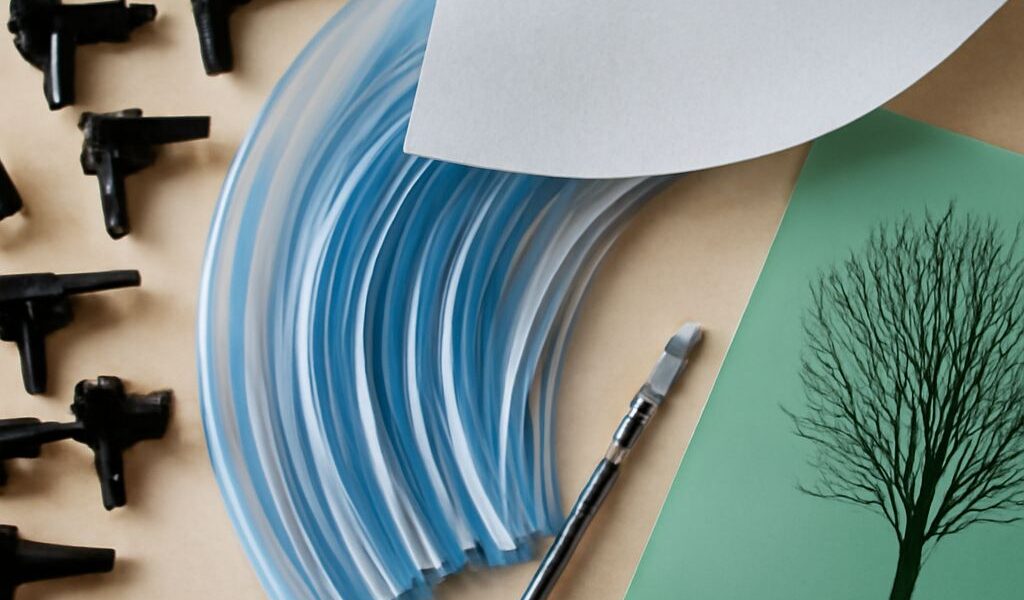
A maple tree tapping kit should contain a spout, also called a spile, and a way to carry sap into a covered, food-grade container. Some kits use a short length of tubing and a jug; others suspend a bucket beneath the spout. Check that the lid accommodates the tubing or fits over the bucket so rain, insects, and bark fragments stay out.
Compare maple tree tapping supplies by their fit and materials. Small 5/16-inch maple tapping spouts require a matching clean drill bit; a bit of another size can make the hole too loose or damage the wood. You will also need a drill, a small hammer, and a washable collection container. Check whether these are included before comparing prices. A clear tube lets you see movement, while an opaque covered container helps keep the contents sheltered from light.
Choose maple tree taps that can be washed and reused, with replacement tubing available in a compatible size. Reusable taps for trees reduce the equipment you need to replace each season. Before the first use, wash the equipment with hot water and a food-safe cleaner, rinse thoroughly, and let it drain. Avoid containers that once held chemicals or other nonfood materials.
Follow the weather, then the flow
Sap generally moves best when nights fall below freezing and days warm above it. The timing varies with location and weather, often arriving in late winter or early spring. A tapping kit for a maple tree is easier to use if you assemble and clean it before that pattern begins. Watch the forecast rather than choosing a fixed date, and expect quiet days between runs.
Select sound wood away from old holes and scars. With the bit matched to the spout, drill slightly upward so sap can drain out, following the spout maker’s depth directions. Clear the shavings and seat the spout with a light tap; pounding can split the wood. Secure the covered container so wind cannot pull on the fitting.
Check the container frequently. A warm afternoon or a strong run can fill it sooner than expected, and sap is perishable. Pour it into clean food-grade containers and keep it cold; University of Minnesota Extension recommends boiling promptly and notes that favorable cold storage can preserve quality for a day or two. Discard sap that smells sour or looks spoiled.
From sap to syrup—and back to tree care
A starter kit for maple tapping collects sap; it does not concentrate it. At an average sugar content of 2 percent, about 43 gallons of sap make one gallon of syrup. A single tap can yield far less than that over a season, so a small batch may produce only a little syrup. Yield varies with sugar content and weather.
If you decide to make syrup, plan a separate outdoor or well-ventilated boiling setup: evaporation releases a great deal of steam. Use a food-grade pan and a thermometer, and consult the Minnesota Extension instructions for finishing and packaging. Keep children away from hot liquid and equipment. Collection alone can be a rewarding way to observe the season without committing to a long boil.
When buds begin to open or the sap develops an off flavor, end the harvest. Gently remove the spout, leaving the hole open so the tree can close the wound naturally; do not plug it. Wash and dry the equipment before storage. Next season, choose fresh sound wood away from previous holes. Today, take a tape measure outside and check whether your healthiest maple reaches the 38-inch circumference needed for one tap.