 Gloria Davis
Vine fruits add vertical interest, abundant harvests, and vibrant beauty to our gardens. As gardeners, we often ask ourselves: what grows on vines, and how do these plants differ from other fruiting species? In this guide, we explore a wide range of fruits that grow on vines, from popular favorites to unique varieties, and share practical tips for growing vine fruits successfully in your own space.
What Are Vine Fruits?
Vine fruits are edible fruits produced by plants with a climbing or trailing growth habit. Unlike bushes or trees, vines use tendrils, twining stems, or other climbing methods to reach sunlight and spread across available surfaces. This group includes annual and perennial species that can be trained along fences, trellises, arbors, or even the ground.
The defining characteristic of vine fruits is their need for support as they grow, which allows gardeners to maximize limited space by growing vertically. These plants often produce abundant yields in small areas, making them ideal for urban gardens, patio containers, and traditional beds alike. Additionally, many vine fruits mature quickly, offering successive harvests throughout the season.
Vine fruits also stand out for their diversity. Some, like grapes, are familiar staples, while others—such as passion fruit or hardy kiwi—offer exotic flavors and nutritional benefits. By understanding what grows on vines, we can select varieties that best match our climate, space, and taste preferences.
Popular Fruits That Grow on Vines
Several vine fruits have become garden essentials due to their productivity and culinary uses. The most common and widely grown include:
- Grapes: Whether for eating fresh, making juice, or producing wine, grapes are the classic example of fruits that grow on vines. Both table and wine grape varieties thrive in sunny spots, and some are remarkably cold-hardy.
- Melons: Watermelons, cantaloupes, and honeydews are all members of the Cucurbitaceae family, sprawling across the ground or climbing with support. Their sweet, refreshing flesh makes them summer favorites.
- Kiwi: The fuzzy, egg-sized kiwi fruit grows on robust perennial vines. Hardy kiwi (Actinidia arguta) offers a smaller, smooth-skinned alternative suitable for cooler climates.
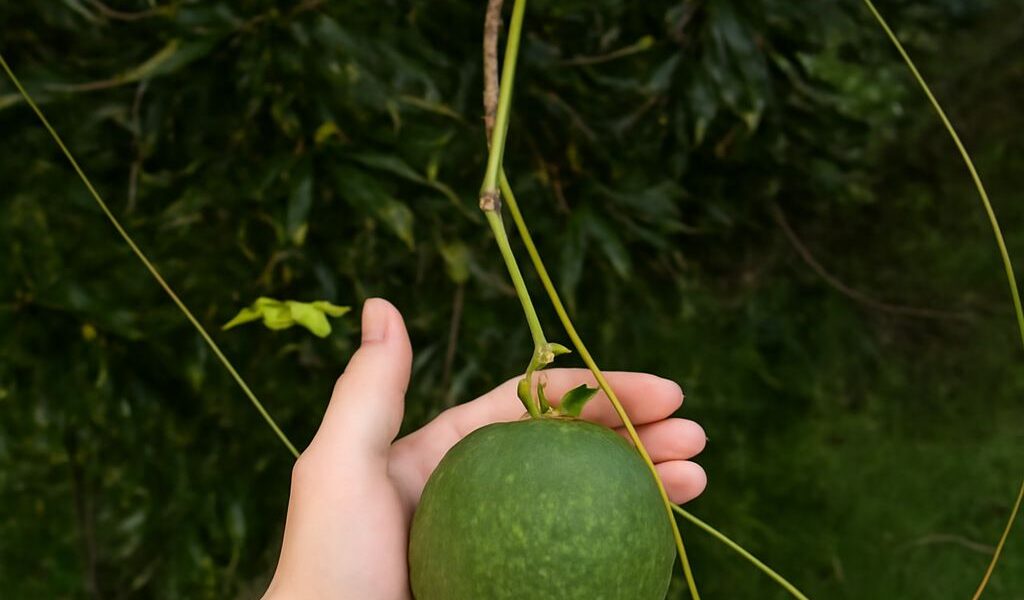
- Passion Fruit: This tropical and subtropical vine produces aromatic, seedy fruit with a tart-sweet flavor. With proper warmth and some shelter, passion fruit vines can produce generously year after year.
- Blackberries and Raspberries: While often called brambles, many varieties have trailing or semi-vining habits, especially “trailing” blackberries, which benefit from trellising like true vine fruits.
These popular vine fruits share common requirements: ample sunlight, well-draining soil, and sturdy support. Incorporating them into our gardens rewards us with both ornamental value and fresh food.
Unique and Lesser-Known Vine Fruits
Beyond the well-known options, many unique vine fruits can expand our culinary horizons and garden diversity:
- Hops: Commonly grown for brewing beer, hops are striking perennial vines that produce cone-shaped flowers. Their vigorous growth and attractive foliage make them suitable for decorative screens as well as harvest.
- Akamatsu (Akebia quinata): Known as chocolate vine, this ornamental vine produces unusual, sausage-shaped fruits with sweet, edible pulp. Its fragrant spring flowers add extra appeal.
- Pepino Melon: Native to South America, the pepino produces oval, striped fruits with a mild, melon-like flavor. The plant is technically a ground-spreading shrub but often behaves like a vine, especially when given support.
- Chayote: A staple in many Latin American cuisines, chayote (Sechium edule) yields pear-shaped green fruits and climbs enthusiastically with tendrils.
Exploring these lesser-known vine fruits adds variety to our gardens and plates, and many of these plants are surprisingly easy to cultivate with the right conditions.
Tips for Growing Vine Fruits in Your Garden
Success with vine fruits starts with choosing varieties suited to our climate and space. Most need full sun and shelter from strong winds, as well as consistent moisture and rich, well-draining soil. Installing trellises, arbors, or sturdy cages early lets us train vines upward and encourage healthy air circulation—crucial for disease prevention and fruit quality.
We should space plants according to their mature spread and prune them annually to control growth and improve yields. Fertilize with balanced compost or slow-release fertilizer, and mulch to conserve moisture and suppress weeds. Regularly check vines for pests like aphids, spider mites, and fungal issues, especially in humid weather.
For container gardeners, compact or dwarf vine fruit varieties let us enjoy harvests from patios and balconies. Consistent watering and occasional feeding go a long way to support strong, productive vines in limited spaces.
By understanding the needs of different fruits that grow on vines, we can create productive, beautiful, and sustainable gardens full of flavor and color season after season.