 Gloria Glover
In the world of head protection, understanding the nuances of different types of hard hats is crucial for ensuring safety and compliance on the job. The lift hard hat is one such specialized piece of equipment, designed to address distinct safety needs while also supporting sustainability initiatives. In this article, we explore what sets lift hard hats apart, how they compare to Class E hard hats, and their role in promoting sustainable practices within the safety helmet industry.
What Makes Lift Hard Hats Unique
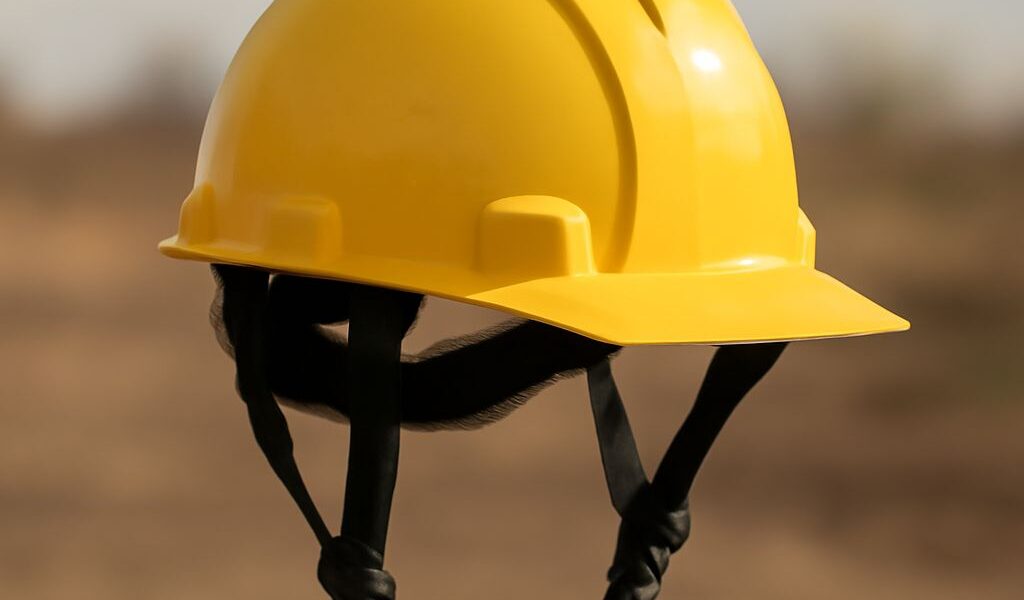
Lift hard hats are distinctive due to their innovative design and materials that prioritize both safety and comfort. These hard hats typically feature a sturdy shell made from high-density polyethylene (HDPE) or other durable materials, which provides substantial impact resistance without adding excessive weight. This lightweight construction reduces fatigue during prolonged use, making them ideal for workers who wear them throughout long shifts.
Another defining feature of lift hard hats is their advanced suspension system. Unlike traditional hard hats that may have a basic suspension, lift hard hats often incorporate a six-point suspension system. This design evenly distributes the force of an impact, reducing the risk of injury. Additionally, many models include padded brow pads and moisture-wicking liners, enhancing comfort for the user.
Comparing Lift Hard Hats to Class E Hard Hats
While lift hard hats offer significant advantages, it’s essential to compare them to Class E hard hats, which are specifically designed for electrical environments. Class E hard hats are tested to withstand up to 20,000 volts of electrical charge and are a must-have for electricians and workers operating near electrical hazards.
In contrast, lift hard hats are generally more versatile but may not provide the same level of protection against electrical risks as Class E models. When choosing between the two, consider the specific hazards present in your work environment. For sites with electrical risks, Class E hard hats are the safer choice. However, for sites focused on general impact protection and comfort, lift hard hats can be an excellent option.
The Role of Safety Helmets in Sustainable Practices
Safety helmets, including lift hard hats, are increasingly being designed with sustainability in mind. Manufacturers are exploring eco-friendly materials and production processes to reduce the environmental impact of their products. For instance, some lift hard hats incorporate recycled materials into their construction, minimizing waste and promoting a circular economy.
Moreover, the durability of lift hard hats means they have a longer lifespan compared to many other safety helmets. This longevity contributes to sustainability by reducing the frequency of replacements and the associated waste. Additionally, some manufacturers offer take-back programs for used helmets, ensuring they are disposed of responsibly and recycled when possible.
In conclusion, lift hard hats represent a balance between safety, comfort, and sustainability. By understanding their unique offerings and comparing them to other options like Class E hard hats, we can make informed decisions that prioritize safety while supporting sustainable practices in the workplace.