 Gloria Davis
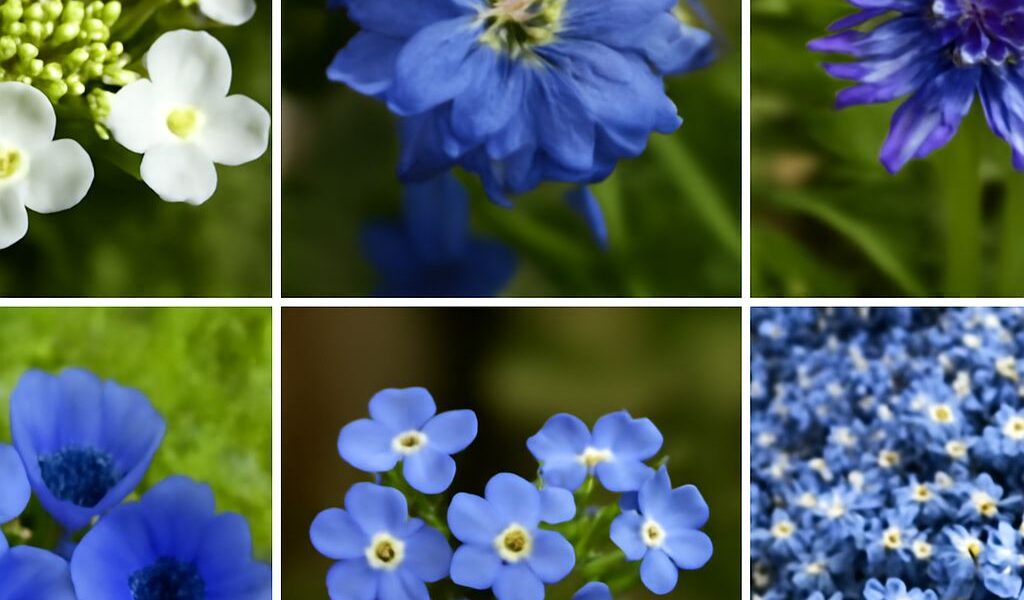
Blue flowers add a touch of elegance and tranquility to any garden. With so many beautiful options available, it’s easy to find the perfect blue bloom to enhance your outdoor space. In this guide, we’ll explore popular blue flower names, different blue flower types, and offer some handy growing tips to help you cultivate these stunning plants.
Popular Blue Flower Names
When it comes to blue flowers, some names stand out for their beauty and popularity. Here are a few that you might consider for your garden:
- Bluebell: Known for its bell-shaped blooms, this flower often carpets woodlands in spring.
- Forget-Me-Not: A classic favorite, these tiny blue flowers symbolize true love and remembrance.
- Hydrangea: Although they come in various colors, certain species of hydrangeas display beautiful blue hues.
- Cornflower: Also known as bachelor’s button, cornflowers have a vivid blue color that stands out in any garden.
- Delphinium: These tall spires of blue blooms are perfect for adding height and drama to your garden beds.
Types of Blue Flowers
Blue flowers vary widely in appearance and growing conditions. Here are some types of blue flowers you might encounter:
- Perennials: These include delphiniums and hydrangeas, which return each year with proper care.
- Annuals: Cornflowers are a great example of annual blue flowers that add seasonal color.
- Bulbs: Bluebells grow from bulbs and can create a beautiful carpet of blue in early spring.
Each type of blue flower brings its own unique charm and can be selected based on your garden design goals and climate considerations.
Growing Tips for Blue Flowers
To ensure your blue flowers thrive, consider these growing tips:
- Soil Requirements: Many blue flowers prefer well-drained soil enriched with organic matter. Hydrangeas, for instance, require specific soil pH to achieve their blue color.
- Sunlight: Most blue flowers enjoy full to partial sunlight. Ensure you plant them in a location that meets their light needs for optimal growth.
- Watering: Regular watering is crucial. However, be cautious of overwatering, especially with bulbous varieties like bluebells that prefer drier conditions once established.
- Fertilization: Use a balanced fertilizer to encourage blooming, especially for heavy feeders like delphiniums.
With these tips, your blue flowers can become a standout feature in your garden, offering a serene and captivating display.