 Gloria Davis
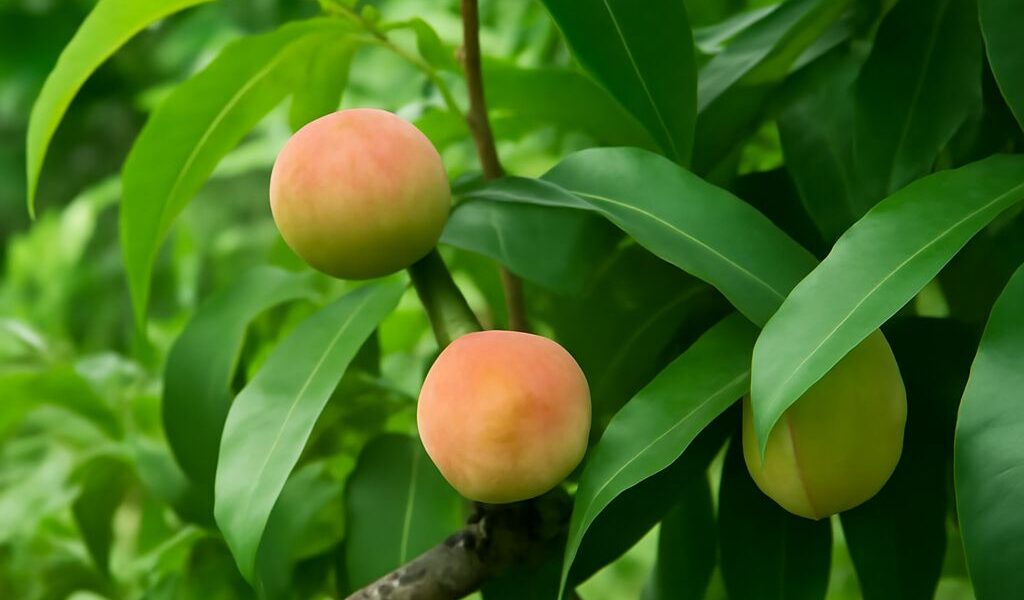
A peach pit in the soil does not automatically produce a copy of the fruit you ate. It can grow into a tree, but the seed carries its own genetic combination, and the eventual fruit may differ in size, flavor and other qualities.
Can a peach pit be planted at home? Yes. To help the peach seed sprout, give it a period of moist cold, then provide a young seedling with light, drainage and room to grow. The process is an experiment that unfolds over several seasons.
How to Sprout a Peach Seed
Select a pit from a fully ripe, healthy peach. Remove the remaining flesh and rinse the hard stone; fruit residue left around it can encourage mold. A sound-looking pit is a reasonable choice, although its appearance cannot prove that the seed inside will germinate. Start several if you have room, since some may fail.
Knowing how to sprout a peach seed starts with the hard stone enclosing it. It needs a cold, moist period, called stratification, to help break dormancy. Iowa State University Extension recommends 98 to 105 days at 33 to 41°F for peach seed. Use a refrigerator thermometer to confirm a suitable temperature, and avoid freezing the seed.
Place cleaned seed in a lightly moistened mixture of sand and peat or another suitable medium in a labeled container with small air holes. The medium should feel damp rather than dripping. Keep it refrigerated and check periodically for drying, mold or a root beginning to emerge. If it dries, moisten it lightly; if a root appears, handle it carefully and plant promptly.
Some gardeners crack the hard pit to remove the seed before chilling. This can damage the embryo, so work carefully and discard any seed that has been crushed or has rotted. Keep pits and seeds away from children and pets; they are not food. Wash your hands and tools after handling them.
Plant the seed and watch for growth
Can you plant a peach pit after the cold treatment? Yes: sow the stratified seed in a deep container with drainage holes and a well-draining seed-starting mix. Iowa State recommends planting peach seed about 2 inches deep. If a root has already emerged, place it pointing downward without bending it, and cover gently.
Keep the mix evenly damp, not waterlogged, and place the pot where it receives bright light after the shoot emerges. Excess water should escape freely; empty a saucer that collects it. A small shoot may take time to appear, and failure to sprout does not tell you exactly which step failed.
Planting a peach seed outdoors in fall is another approach in a region where winter naturally provides suitable cold and moisture. Protect the marked planting place from animals and avoid waterlogged soil. Refrigeration offers a way to monitor the treatment where outdoor conditions are unreliable.
Before planting peach pits, consider where the seedlings could eventually live. They will need a site with ample sunlight, drainage and space for a tree. If you have several seedlings, label them separately; each may develop different characteristics.
Care for the young tree
As roots fill the first container, move the seedling carefully to a larger draining pot or a prepared outdoor site at an appropriate planting time. Handle it by the root ball rather than pulling the stem. Acclimate an indoor seedling gradually to outdoor light and wind, and protect tender growth from frost.
Choose a sunny location with well-drained soil. Iowa State Extension recommends avoiding low spots where cold air collects and spring frost can damage blossoms. Water deeply as needed while the young tree establishes, checking soil moisture rather than keeping the roots continuously wet. Mulch the surrounding soil, leaving space around the trunk.
Growing a peach tree from seed also means making room for its mature size, which is less predictable than that of a grafted nursery tree on a known rootstock. Keep grass and weeds away from the young trunk, and inspect leaves and shoots for damage. Ask your local extension office about the pests and diseases common to peaches in your area and the best time for any pruning.
Climate and the years ahead
Learning how to grow a peach pit includes considering the tree’s future winter as well as the seed’s cold treatment. Mature peach trees have cultivar-dependent winter chilling needs; insufficient chill can affect flowering and fruiting. Spring frosts can also damage blossoms, even when the tree survives winter. A seedling’s exact requirements may be uncertain, so a locally adapted grafted tree is a more predictable choice if reliable fruit is your main goal.
A seedling must establish roots, grow a trunk and form fruiting wood before it can bear. Expect several years of care, with no guarantee of a crop or a match to the parent peach. As the young tree grows, observe its vigor and local conditions, and treat any eventual fruit as the result of a new individual tree.