 Gloria Davis
Privet bushes are a popular choice for gardeners looking to create a lush, green hedge. Known for their dense foliage and ease of maintenance, privets can transform a garden space into a private oasis. To enjoy their full potential, it’s essential to understand how to plant and care for these versatile shrubs, as well as the role of privet berries.
What is a Privet Bush?
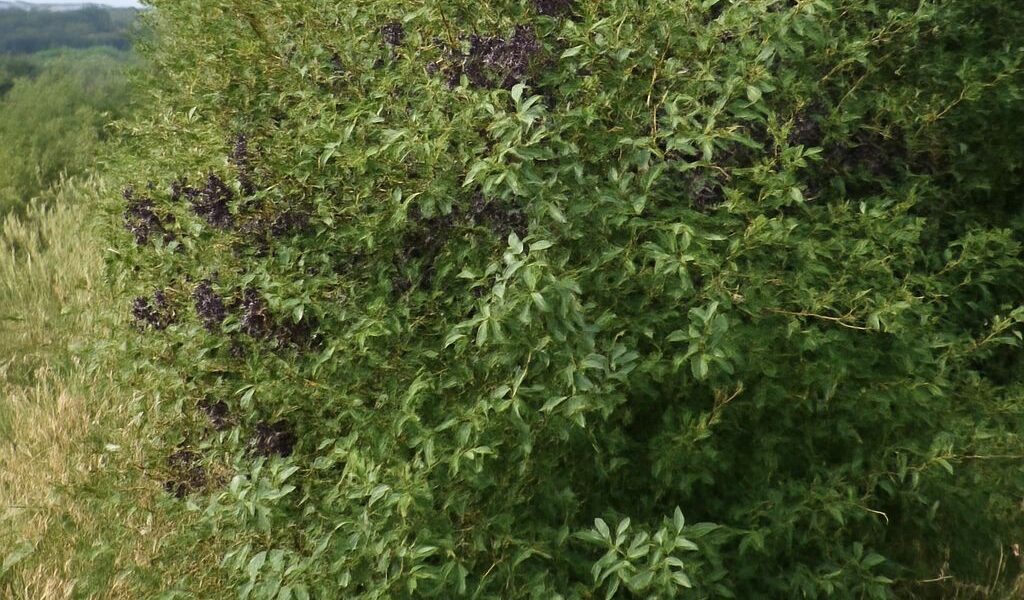
The privet bush, belonging to the genus Ligustrum, is a robust, fast-growing shrub commonly used for hedging. These plants are valued for their dense, glossy leaves and adaptability to various soil types. Privets can grow in both full sun and partial shade, making them a versatile addition to any garden. Additionally, they offer seasonal interest with clusters of white flowers followed by small, dark berries.
How to Plant Privet Bushes
When planting privet bushes, begin by choosing the right location. They thrive in well-drained soil and can tolerate a range of pH levels. To plant, dig a hole twice as wide and the same depth as the root ball. Space multiple plants about one to two feet apart to create a dense hedge.
- Timing: The best time to plant privets is in the fall or early spring, allowing roots to establish before the growing season.
- Watering: Water deeply after planting and maintain consistent moisture until the bushes are well established.
- Mulching: Apply a layer of mulch around the base to retain moisture and suppress weeds.
Caring for Your Privets
Proper care ensures your privet bushes remain healthy and attractive. Here are some tips to keep them thriving:
- Pruning: Regular pruning is essential to maintain shape and encourage dense growth. Prune annually during late winter or early spring.
- Fertilizing: Apply a balanced fertilizer in early spring to promote vigorous growth. Follow package instructions for the correct amount.
- Pest Control: Monitor for common pests such as aphids and spider mites. If detected, treat with insecticidal soap or neem oil.
Understanding Privet Berries
Privet berries, which follow the flowering period, are small and dark, often appearing in clusters. While they add decorative value, it’s important to note that these berries are toxic if ingested by humans and pets, although birds are often attracted to them.
To manage the spread of privet bushes, consider removing berries before they fall, as they can lead to unwanted seedlings. This also helps minimize the plant’s invasiveness in some regions.
By understanding these key aspects of privet care, we can enjoy the benefits of these resilient shrubs while maintaining a beautiful and healthy garden environment.