 Gloria Davis
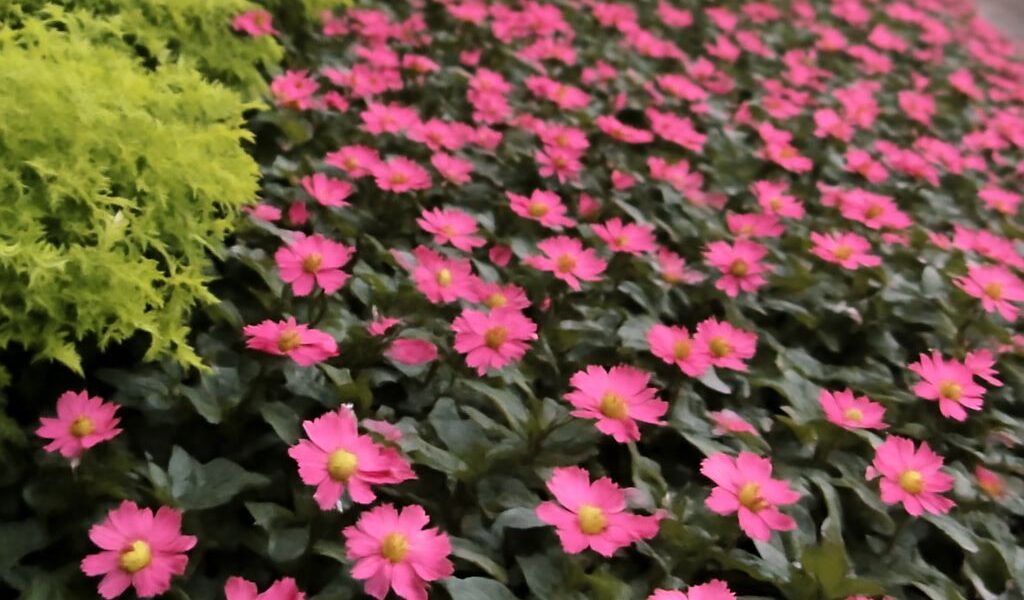
New Guinea impatiens are beloved for their large, vibrant blooms and rich, glossy foliage, offering a tropical flair to both garden beds and containers. One of the most common questions we get is whether New Guinea impatiens do best in the sun or shade. We’ll answer that directly, then share practical advice on how to plant, water, and care for these colorful annuals so you enjoy healthy, long-lasting flowers all season.
Do New Guinea Impatiens Prefer Sun or Shade?
The dominant answer to “New Guinea impatiens sun or shade” is that these plants thrive in bright, indirect light—ideally, partial shade. Unlike traditional impatiens, New Guinea impatiens are more tolerant of sun, but they do not prosper in full, direct sun for extended periods. Morning sun or dappled sunlight combined with afternoon shade is perfect. Too much intense midday sun can lead to leaf scorch, faded blooms, or even stunted growth.
If you’re planting in a hot climate or a spot with reflected heat (such as near driveways or walls), aim for an area protected from harsh afternoon rays. In cooler regions or when grown in containers, New Guinea impatiens may handle a bit more sun, but we always recommend erring on the side of gentle shade to get the best color and vigor from your plants. If blooms appear pale or leaves start to yellow, it’s usually a sign they’re getting too much direct sunlight.
In summary, New Guinea impatiens flourish with about 4-6 hours of morning sun or filtered light. Avoid locations with full, all-day shade (which can reduce flowering) or relentless sun (which stresses the plants). This balance delivers the lushest growth and most prolific blooms.
How to Grow New Guinea Impatiens Successfully
For a thriving display, start with healthy seedlings or nursery plants. Choose a planting site or container that receives the right mix of sun and shade as described above. These flowers are ideal for garden beds beneath open-canopy trees, along east-facing borders, or in shaded patios. In containers, you can easily move them to fine-tune their light exposure as the season changes.
Space plants 12–18 inches apart to ensure good air circulation, which helps prevent fungal issues. New Guinea impatiens are not heavy feeders, but they do appreciate rich, well-drained soil amended with compost or peat moss. We find they perform best with neutral to slightly acidic pH (6.0–6.5).
After planting, gently water in and mulch with a thin layer of bark, pine needles, or leaf mold. This keeps roots cool and moisture consistent, two essentials for these tropical beauties. In mixed plantings, pair them with shade-loving coleus, ferns, or caladiums for nonstop color and texture.
Watering, Soil, and Care Tips for Healthy Blooms
Consistent moisture is the key to healthy New Guinea impatiens. Their fleshy stems and lush leaves mean they wilt quickly if allowed to dry out. Water deeply whenever the top inch of soil feels dry, aiming to keep soil evenly moist but never soggy. In containers, check daily during hot spells, as pots dry out faster than garden beds.
Use well-draining soil to prevent root rot, and avoid overhead watering, which can encourage disease. Early morning is the best time to water, letting leaves dry as the day warms. We recommend a balanced liquid fertilizer every two to four weeks during the growing season. Too much fertilizer, especially high-nitrogen blends, can encourage leafy growth at the expense of flowers.
Pinch back leggy stems to promote bushiness. Remove faded blooms and yellow leaves regularly—this not only maintains appearance but also prevents disease. Pests are rare, but keep an eye out for aphids or spider mites, especially in hot, dry weather. Treat outbreaks promptly with insecticidal soap or neem oil.
Common Questions About New Guinea Impatiens
Can New Guinea impatiens tolerate full sun? They are more sun-tolerant than standard impatiens, but full afternoon sun, particularly in hot climates, will likely result in stress and reduced blooms. Morning sun with afternoon shade is ideal.
Are New Guinea impatiens perennial or annual? In most regions, New Guinea impatiens are grown as annuals. They are perennial only in frost-free, tropical climates (USDA zones 10-11).
How tall and wide do they grow? Most varieties reach 12–24 inches tall and 12–18 inches wide, making them perfect for borders, mass plantings, and containers.
Do they attract pollinators? Yes, their bright blooms and open structure can draw bees, butterflies, and even hummingbirds to your garden.
With the right care and placement, New Guinea impatiens will reward us with months of vibrant color and healthy foliage, even in challenging light conditions.