 Gloria Glover
When we think about forests, the diversity and beauty of temperate forests often come to mind. These forests, found in regions with mild climates, are home to a variety of plant and animal species. Among these, the temperate deciduous forest stands out for its unique characteristics and ecological significance. Let’s delve deeper into what sets these forests apart.
What Are Temperate Forests?
Temperate forests are located in areas with moderate temperatures and distinct seasons, including cold winters and warm summers. These forests primarily occupy parts of North America, Europe, and Asia. They are known for their rich biodiversity, featuring a mix of deciduous and coniferous trees. The temperate climate supports a wide range of flora and fauna, making these forests some of the most dynamic ecosystems on the planet.
Characteristics of Temperate Deciduous Forests
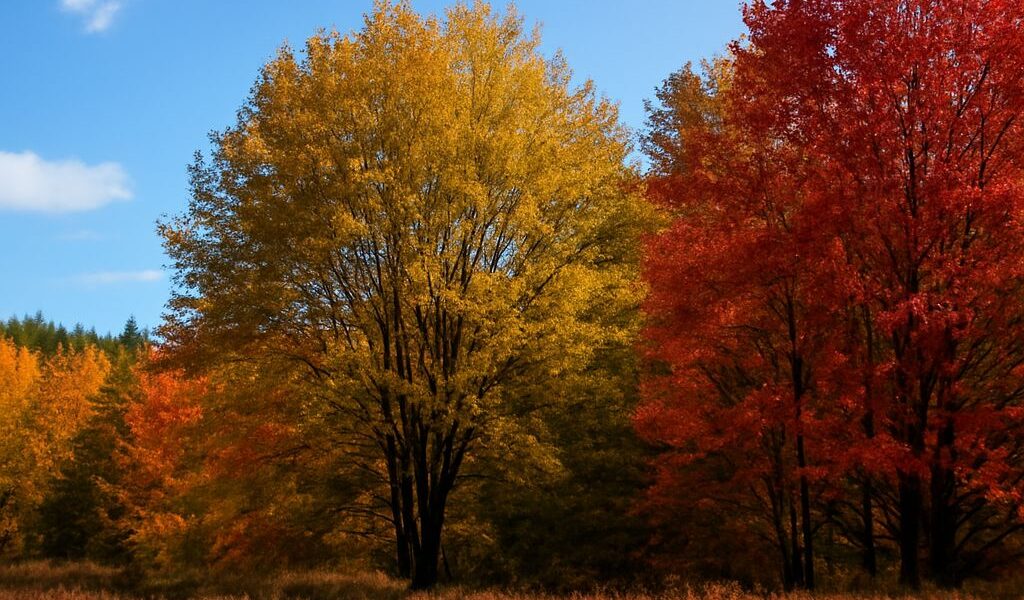
A temperate deciduous forest is characterized by trees that shed their leaves annually, such as oaks, maples, and beeches. This seasonal leaf loss is a key adaptation to the cold winter months. The forest floor is often blanketed with fallen leaves, which decompose to enrich the soil. Underneath the canopy, a variety of shrubs, herbs, and mosses thrive, creating a complex and layered vegetation structure.
The climate in these forests includes average annual temperatures ranging from -30°C to 30°C, with precipitation spread throughout the year. This climate supports a diverse understory and a wide range of animal species, from insects to large mammals like deer and bears.
Biodiversity in Temperate Forests
Temperate forests boast a remarkable level of biodiversity. The interplay of various plant species creates a habitat that supports numerous animal populations. Insects, birds, reptiles, and mammals all find niches within this ecosystem. Migratory birds often use these forests as critical resting points during their journeys.
Moreover, the diversity of tree types and the seasonal variety in foliage provide a rich source of food and shelter for different species throughout the year. This biodiversity makes temperate forests resilient ecosystems, capable of adapting to environmental changes and sustaining life in various forms.
Ecological Importance of Temperate Forests
The ecological significance of temperate forests is immense. They play a crucial role in carbon sequestration, absorbing carbon dioxide from the atmosphere and mitigating climate change effects. These forests also help regulate water cycles, maintaining watershed health and reducing the risk of flooding.
Furthermore, temperate forests offer countless ecosystem services, such as soil stabilization and air purification, which are vital for human well-being. They provide habitats for wildlife, recreational opportunities for people, and resources like timber and non-timber forest products that contribute to local economies.
Understanding and preserving these forests is essential, as they are integral to both environmental health and human prosperity. As we continue to study temperate forests, it becomes increasingly clear how their preservation is vital for maintaining biodiversity and ecological balance on a global scale.