 Gloria Glover
Tradescantia, often referred to as spiderwort, is a fascinating genus of plants that captivates with its vibrant hues and adaptability. Known for its intricate foliage and delicate flowers, Tradescantia thrives in diverse environments, making it a popular choice for gardeners and plant enthusiasts. Understanding the different tradescantia varieties and their native habitats can enhance our appreciation for these resilient plants and their role in forest ecosystems.
Introduction to Tradescantia
Tradescantia belongs to the family Commelinaceae and consists of approximately 75 species. These plants are primarily native to the Americas, ranging from northern Argentina to the southern United States. Their popularity is largely due to their easy care requirements and striking appearance. Tradescantia plants typically feature lance-shaped leaves and small, three-petaled flowers that bloom in shades of blue, purple, pink, and white. As adaptable ground covers, they are well-suited for both indoor and outdoor environments.
Popular Varieties of Tradescantia
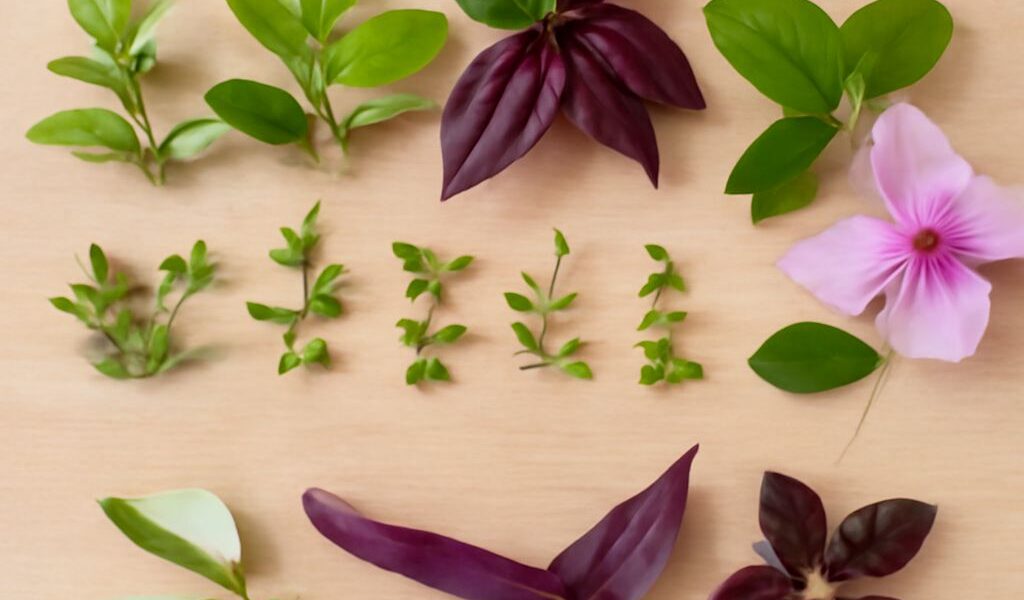
Among the myriad tradescantia varieties, a few stand out due to their unique characteristics and widespread appeal. Tradescantia zebrina, commonly known as Wandering Jew, is admired for its silvery-striped leaves and vibrant purple undersides. Tradescantia pallida, or Purple Heart, boasts deep purple leaves and light pink flowers, ideal for adding a splash of color to gardens. Another notable variety, Tradescantia fluminensis, offers glossy green leaves with white stripes, perfect for hanging baskets or ground cover. Each variety has distinct visual characteristics, making them versatile choices for various landscaping projects.
Natural Habitats of Tradescantia Varieties
Tradescantia varieties naturally inhabit diverse ecosystems, predominantly forested areas in their native range. These plants are typically found in moist, shaded environments where they can take advantage of dappled sunlight. Forest floors provide the perfect conditions for tradescantia species to thrive, offering protection from harsh sunlight while maintaining adequate moisture levels for growth. This adaptability allows tradescantia to flourish in a variety of forest habitats, from tropical rainforests to temperate woodlands.
Role of Tradescantia in Forest Ecosystems
Tradescantia plays a significant role in forest ecosystems by contributing to soil stabilization and biodiversity. As ground covers, they help prevent soil erosion and support the retention of moisture, which is crucial for the health of forest floors. Moreover, tradescantia provides essential habitats for various insects and microorganisms, enhancing the ecological diversity within forests. Their flowers attract pollinators such as bees, further supporting the reproductive cycles of local flora. By understanding tradescantia’s contributions to these ecosystems, we can appreciate the intricate balance of nature and the importance of preserving native habitats.