 Gloria Glover
Spider lilies are a captivating group of flowering plants known for their striking appearance and unique charm. As we explore their fascinating world, we’ll uncover their natural habitats, delve into the intriguing variety known as surprise lilies, and learn about their vital role in forest ecosystems.
What Are Spider Lilies?
Spider lilies, scientifically known as Lycoris, are part of the Amaryllidaceae family. These perennial plants are celebrated for their delicate, spidery blooms that create an enchanting spectacle when they flower. What sets spider lilies apart is their remarkable blossom structure – long, thin petals that resemble spider legs, which is the origin of their name. These flowers typically thrive in warm climates and can be found across Asia, particularly in China and Japan.
The Natural Habitat of Spider Lily Plants
Spider lily plants prefer well-drained soil and partial sunlight, making them ideally suited to woodland areas and open fields. In their natural habitat, these plants often grow near streams or in forest clearings where they can receive the right balance of moisture and light. Their ability to adapt to various environments contributes to their widespread presence in regions with temperate climates. As they bloom mainly in late summer to early autumn, the visual impact of spider lilies can be breathtaking.
Surprise Lilies: A Unique Variety
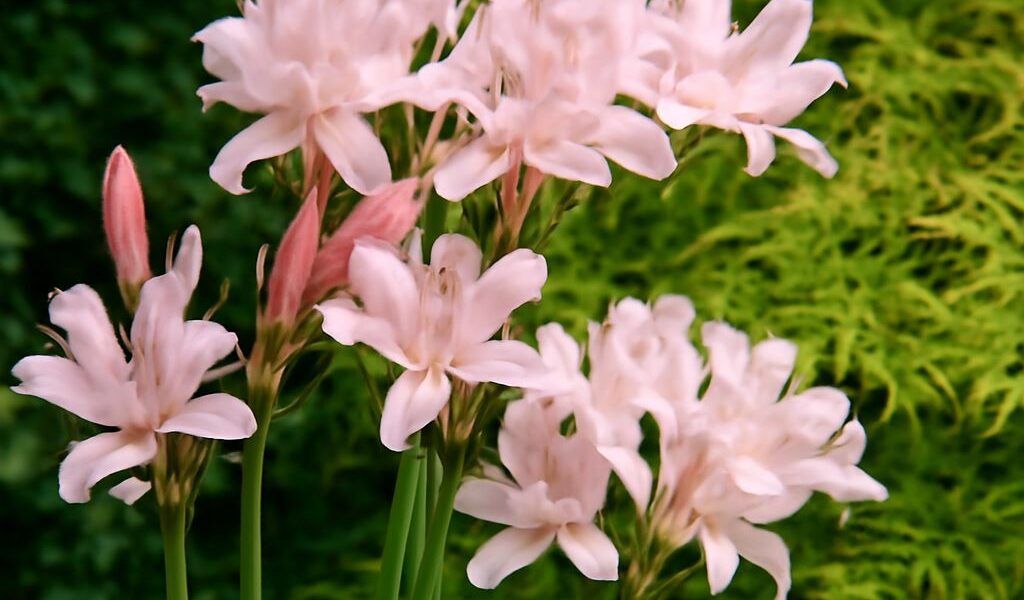
Surprise lilies, also known as “naked ladies,” are a unique variety within the spider lily family. These flowers share the same genus, Lycoris, but are distinct in their blooming pattern. Surprise lilies earn their name due to their unexpected blossoming; they produce lush foliage in spring that dies back, followed by the sudden appearance of stunning blooms in late summer. The surprise element of their growth cycle adds a delightful twist to gardens and natural landscapes. Their vibrant pink or white flowers can be a spectacular addition to any outdoor space.
The Role of Spider Lilies in Forest Ecosystems
Spider lilies play a significant role in forest ecosystems by providing both ecological and aesthetic benefits. As pollinators, they attract insects, such as bees and butterflies, which are crucial for maintaining the health of the ecosystem. Furthermore, the presence of spider lilies can enhance the soil quality by preventing erosion and contributing organic matter. Their roots help stabilize the soil, making them valuable allies in preserving the integrity of their natural environment. Additionally, their stunning visual appeal enriches the biodiversity and scenic beauty of forests.