 Gloria Glover
In our exploration of the holly plant, we delve into its unique characteristics and the ways to identify this fascinating flora. The holly plant, known for its vibrant berries and glossy leaves, is a distinctive member of the plant kingdom with several species found across various habitats. Whether you’re a seasoned gardener or a nature enthusiast, understanding the holly plant’s features and identification methods can enrich your appreciation of these iconic trees.
Characteristics of Holly Plants
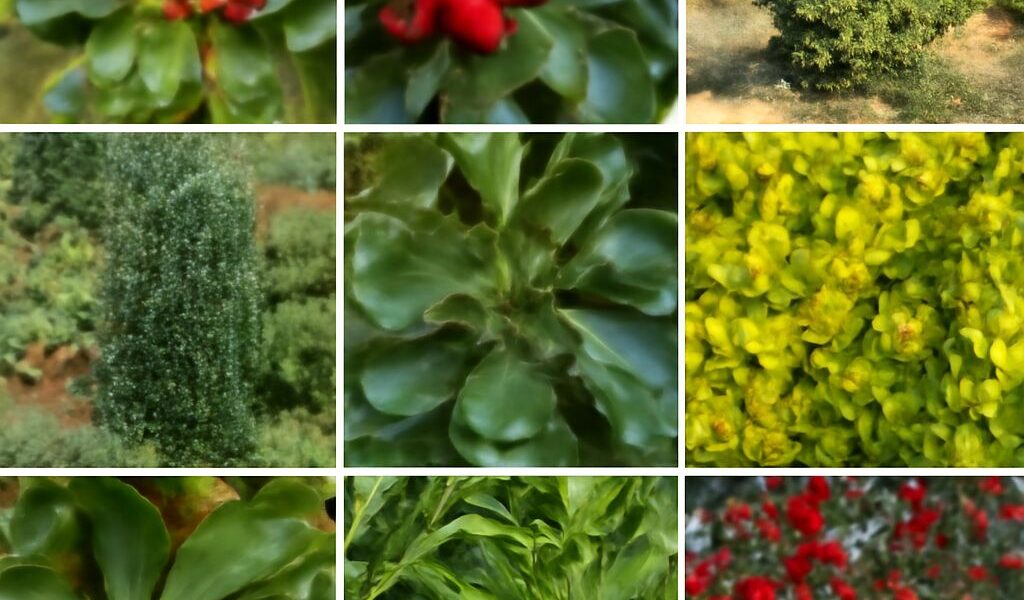
Holly plants belong to the genus Ilex and boast a range of features that make them stand out. Typically, holly plants are evergreen, showcasing spiky leaves that are glossy and dark green, often with a lighter hue underneath. This coloration offers a striking contrast against the vivid red berries that many species bear during the winter months. The berries are not only a visual delight but also serve as a food source for various birds. Holly plants vary in size, encompassing both shrubs and full-fledged trees, and can reach heights of up to 50 feet depending on the species and growing conditions.
Identifying Holly and Berries
Identifying holly and berries is relatively straightforward once you know what to look for. The most defining feature is the plant’s berries, which are usually red but can also appear in shades of yellow or black in some species. These berries are small, round, and grow in clusters. Holly leaves are another key identifier; they are typically oval-shaped with a series of sharp, pointed edges. During the identification process, examining the leaf pattern and berry color can help differentiate between holly species.
Holly Tree Identification
Identifying a holly tree involves noting several specific traits. First, observe the tree’s bark, which tends to be smooth when young and becomes more textured with age. The tree’s branching pattern is another identifier; holly trees often have branches that extend outwards in a symmetrical fashion. Additionally, during the blooming season, small white flowers may be visible, adding to the tree’s allure. The combination of these characteristics—sharp leaves, clustered berries, textured bark, and branching structure—provides a comprehensive profile for holly tree identification.
Habitat and Growth Conditions
Understanding the habitat and growth conditions of holly plants is crucial for successful identification and cultivation. Holly plants are versatile and can thrive in a range of environments, but they typically favor well-drained soil and areas with partial to full sunlight. They are prevalent in woodland areas, gardens, and can often be found growing in hedges. These plants are adaptable, growing in both temperate and subtropical climates, which contributes to their widespread distribution across regions such as North America, Europe, and Asia.