 Gloria Glover
Japanese maple trees are cherished for their stunning foliage, intricate shapes, and vibrant colors, making them a favorite choice for gardeners seeking to add a touch of elegance to their landscapes. With numerous japanese maple varieties available, understanding the differences between them can help you select the perfect tree for your garden. Let’s explore some of the most popular types of japanese maple trees and how to care for them.
Understanding Japanese Maple Varieties
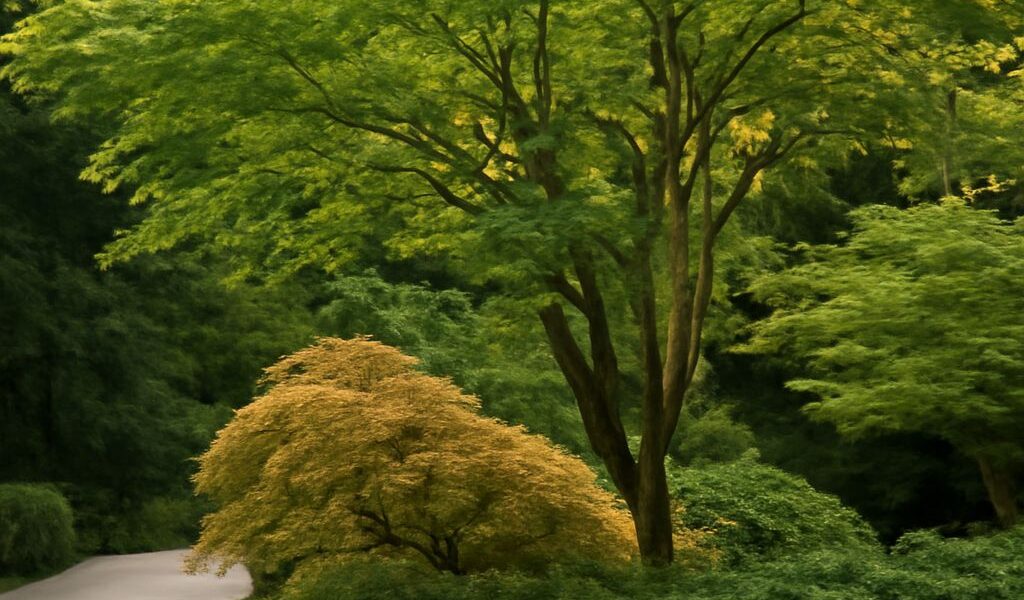
Japanese maple trees, or Acer palmatum, come in a wide range of sizes, colors, and leaf shapes. These trees are native to Japan, Korea, China, and Russia, and have been cultivated for centuries. They are known for their delicate, dissected leaves and graceful branching patterns. Variations among the Acer palmatum species have led to the development of numerous cultivars, each with its unique characteristics.
Popular Types of Japanese Maple Trees
Among the diverse types of japanese maple trees, several stand out for their ornamental value:
- Bloodgood: Known for its deep red-purple leaves that maintain their color through the summer, the Bloodgood is a robust and hardy variety.
- Emperor I: This variety offers striking red foliage that emerges later in spring, helping to avoid frost damage, and turns a brilliant crimson in fall.
- Crimson Queen: A popular weeping variety, Crimson Queen features cascading branches and delicate, lacy leaves that turn bright red in autumn.
- Butterfly: With its variegated leaves of green and white, Butterfly offers a unique look. The foliage develops hints of pink in the fall.
- Coral Bark: This variety is celebrated for its striking coral-red bark, which provides winter interest and contrasts beautifully with its green leaves in spring and summer.
Choosing the Right Ornamental Japanese Maple for Your Garden
When selecting an ornamental japanese maple for your garden, consider factors such as size, color, and growth habit. Japanese maples can range in height from a few feet to over 25 feet, so it’s essential to choose a variety that suits your space. Additionally, consider the leaf color and texture, as well as the tree’s overall shape.
For smaller gardens or containers, dwarf varieties like Shaina or Kiyohime are excellent choices. If you’re looking for dramatic color, opt for a red-leafed variety such as Fireglow or Garnet. For a unique twist, consider a green-leafed variety like Viridis or Waterfall, which offer softer hues and textures.
Care Tips for Japanese Maple Trees
Proper care is essential for maintaining the health and beauty of your Japanese maple. Here are some important tips:
- Location: Plant your tree in a location that receives partial shade, especially in hotter climates, to protect it from scorching sun.
- Soil: Japanese maples prefer well-drained, slightly acidic soil. Amend the soil with organic matter to enhance drainage and nutrient content.
- Watering: Keep the soil consistently moist but not waterlogged. Deep, infrequent watering is preferable to shallow, frequent watering.
- Pruning: Prune your tree in the dormant season to remove dead or crossing branches and maintain its shape.
- Mulching: Apply a layer of mulch around the base of the tree to retain moisture, regulate soil temperature, and suppress weeds.
By selecting the right variety and providing proper care, we can enjoy the enduring beauty of Japanese maple trees in our gardens for years to come.