 Gloria Glover
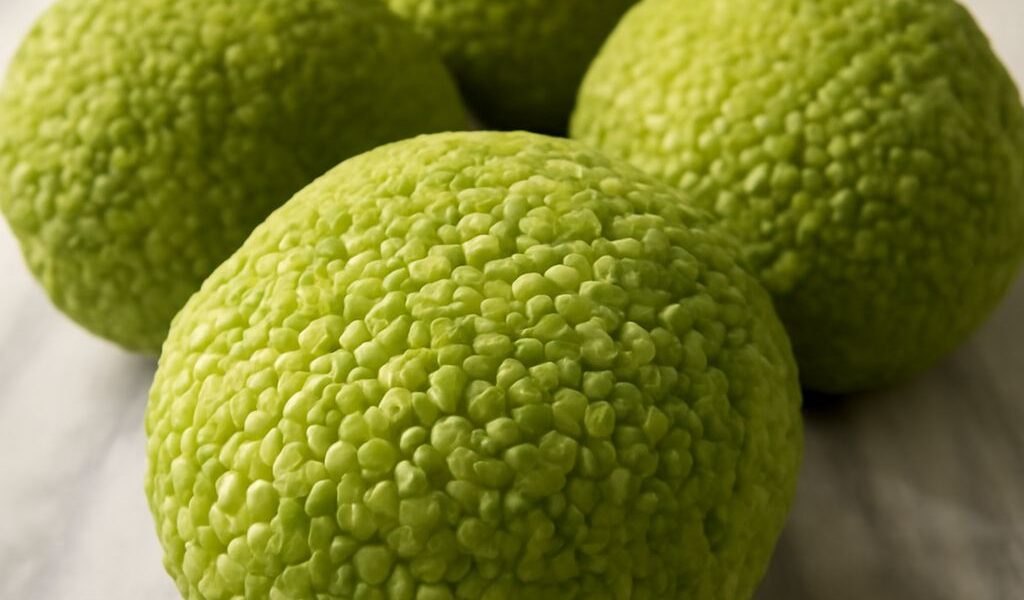
Have you ever come across a peculiar, green, bumpy fruit resembling a brain? That’s likely a hedge apple, also known as a “horse apple.” These intriguing fruits grow on the horse apple tree, scientifically known as Maclura pomifera. While not edible for humans, hedge apples have unique uses and benefits, particularly in landscaping and pest control.
What Are Hedge Apples?
Hedge apples are the fruit of the horse apple tree, often referred to as hedge balls due to their spherical shape. These fruits are roughly the size of a grapefruit and have a distinct, bumpy texture. Despite their unconventional appearance, hedge apples are noteworthy for their potential uses rather than their taste. The horse apple tree is native to the United States and can be found predominantly in the central and southern regions. It’s a deciduous tree that can grow up to 60 feet tall and is characterized by its thorny branches.
Uses for Hedge Apples
One of the most popular uses for hedge apples is as a natural pest deterrent. Many homeowners place the fruit around their property to repel insects, spiders, and rodents. Though scientific evidence is limited, anecdotal reports suggest that hedge apples may help reduce pest activity due to their strong, citrusy aroma. Additionally, hedge apples are often used as fall decorations, adding a rustic touch to homes and gardens.
The Horse Apple Tree
The horse apple tree is not only known for its fruit but also for its robust wood. The tree’s dense wood is highly valued for its durability and resistance to decay, making it an excellent choice for fence posts and other outdoor applications. Historically, the wood was used by Native Americans and early settlers to create bows, known for their strength and flexibility.
Exploring the Benefits of Hedge Wood
Hedge wood, derived from the horse apple tree, is celebrated for its strength and resilience. It’s considered one of the hardest woods available, surpassing even oak in durability. This makes it ideal for constructing long-lasting fences, gates, and furniture. Additionally, hedge wood burns very hot and slowly, making it a preferred choice for firewood in regions where the tree is abundant. Its unique characteristics have made it a valuable resource for various practical uses.
In conclusion, while hedge apples may not be a culinary delight, their presence in our environment offers more than meets the eye. From natural pest control to robust wood applications, the horse apple tree and its fruit hold unique and beneficial qualities worth exploring.