 Gloria Davis
The Prosopis velutina, commonly known as the velvet mesquite tree, is a distinctive and valuable tree native to the southwestern United States and northern Mexico. Recognized for its resilience and versatility, this tree plays a significant role in both natural landscapes and urban settings. In this guide, we’ll explore the characteristics, ideal growing conditions, uses, and care tips for the velvet mesquite tree.
Characteristics of the Prosopis Velutina
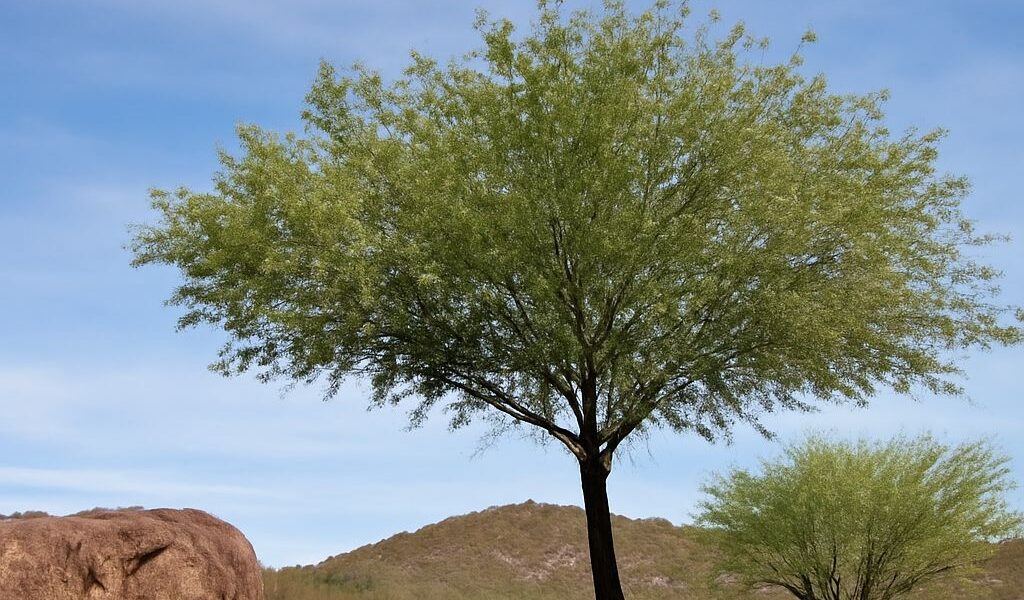
The Prosopis velutina is known for its unique and appealing features. This tree typically grows to a height of 20 to 30 feet, with a sprawling canopy that provides ample shade. The bark is dark and rough, which contrasts beautifully with its feathery, bright green leaves. One of the standout features of the velvet mesquite tree is its velvety texture, a characteristic that gives the tree its common name. This tree also produces long, slender pods that are a favorite among local wildlife.
Ideal Growing Conditions for Velvet Mesquite Trees
Velvet mesquite trees thrive in arid and semi-arid environments, making them an excellent choice for xeriscaping. They prefer well-drained soils, such as sandy or loamy types, and require minimal water once established. Full sun exposure is ideal for optimal growth, although they can tolerate partial shade. These trees are drought-tolerant and can withstand temperatures ranging from extreme heat to mild frost, but they thrive best in regions with hot summers and mild winters.
Uses and Benefits of the Velvet Mesquite Tree
The velvet mesquite tree offers a range of uses and benefits. In landscaping, its broad canopy provides much-needed shade and aesthetic appeal to gardens and public spaces. The wood of the velvet mesquite is highly valued for its hardness and rich color, making it a popular choice for furniture, flooring, and decorative items. Additionally, the pods of the velvet mesquite can be ground into flour, which is used in various culinary applications. The tree also plays a critical ecological role by providing habitat and food for numerous wildlife species.
Caring for Your Velvet Mesquite Tree
Caring for a velvet mesquite tree is relatively straightforward due to its hardy nature. During the initial establishment phase, regular watering is essential to promote root development. Once the tree is established, it requires little irrigation. Pruning is recommended to maintain its shape and remove any dead or crossed branches, usually best performed in late winter before new growth begins. While the tree is generally resistant to pests and diseases, monitoring for signs of stress or infestation can help ensure its health and longevity.