 Gloria Davis
Learning how to make rooting hormone at home gives us greater control over our plant propagation process, reduces reliance on synthetic chemicals, and leverages household ingredients. By choosing a natural rooting hormone, we boost our cuttings’ chances of healthy root development using safe, effective methods. Let’s explore exactly what rooting hormone does, which kitchen staples work best, and the precise DIY steps for successful plant propagation.
What Is Rooting Hormone and Why Use a Natural Version?
Rooting hormone is a substance that encourages plant cuttings to form roots, making it easier to propagate new plants from stems, leaves, or even roots of a parent plant. Commercial rooting hormones often contain synthetic auxins, but natural rooting hormone options tap into organic compounds that trigger root cell growth in a gentler way. Using a natural rooting hormone benefits us in several ways: it eliminates potentially harmful chemicals, supports organic gardening principles, and often utilizes inexpensive, readily available household materials.
The best natural rooting hormone solutions not only boost root growth but also protect cuttings from bacterial and fungal infections. Many common plants—like roses, pothos, and herbs—respond well to natural methods. We’ve found that natural alternatives are especially useful for delicate or edible cuttings where synthetic residues are a concern. Now, let’s examine the ingredients that make for an effective DIY rooting hormone.
Essential Ingredients for DIY Rooting Hormone
Several tried-and-true kitchen and garden ingredients serve as the foundation for a diy rooting hormone:
- Willow Water: Fresh willow branches contain salicylic acid and indolebutyric acid, two natural root-promoting compounds. Willow water is one of the most effective homemade options.
- Honey: Raw honey has natural antifungal and antibacterial properties. It helps protect cuttings from pathogens while stimulating mild root growth—perfect for soft-stemmed plants.
- Aloe Vera: The inner gel of aloe vera leaves is rich in enzymes, amino acids, and plant hormones that encourage root initiation and heal plant wounds.
- Cinnamon: While not a rooting agent itself, cinnamon is a powerful antifungal that can prevent stem rot during propagation.
- Apple Cider Vinegar: Used in very small doses, apple cider vinegar provides trace minerals and organic acids that can boost rooting, but too much can harm cuttings.
Most diy rooting hormone recipes use one or a combination of these ingredients. For most home gardeners, willow water or honey are the most accessible and reliable choices. Next, we’ll describe how to make rooting hormone using these materials and the best application methods for successful root formation.
Step-by-Step Guide: How to Make Rooting Hormone at Home
Let’s walk through two of the most popular natural rooting hormone recipes—one with willow water and one with honey. Choose the method that fits your materials and the type of plant you’re propagating.
- Willow Water Rooting Hormone
- Collect a handful of fresh willow twigs (any Salix species will work, including weeping willow or pussy willow).
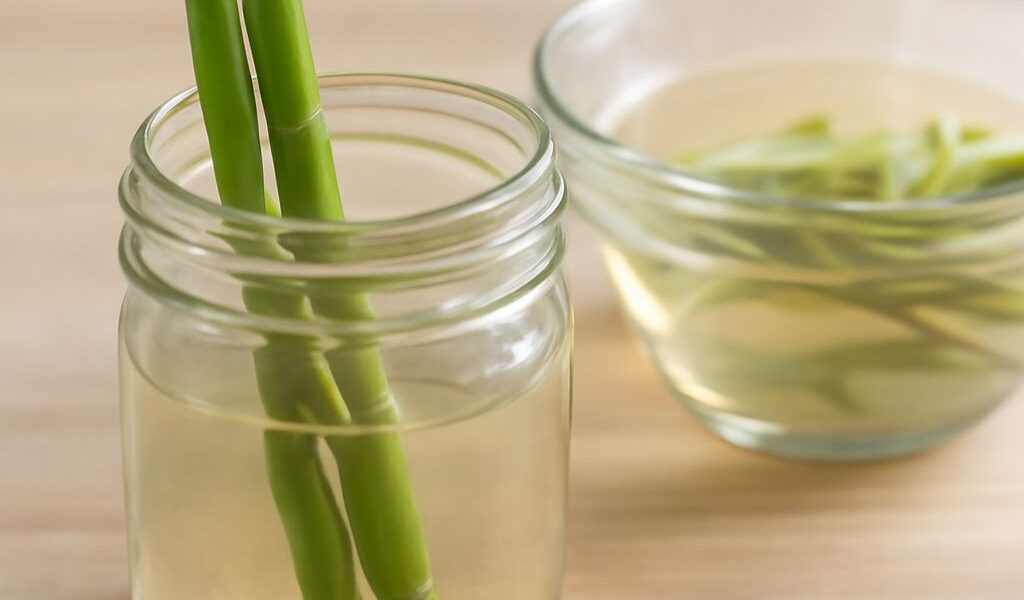
- Cut the twigs into 1-2 inch pieces and place in a large jar or heatproof bowl.
- Boil 2 cups of water and pour it over the willow pieces. Let the mixture steep for at least 24 hours.
- Strain the liquid into a clean container, discarding the willow stems. Your willow water is ready for use.
- To use: Soak the plant cuttings in the willow water for several hours before planting, or use it to water the soil after inserting the cutting.
- Honey Rooting Hormone
- Mix 1 tablespoon of raw honey into 2 cups of warm (not hot) water. Stir until dissolved.
- Allow the solution to cool to room temperature.
- Dip the cut end of your plant cutting into the honey solution before placing it in soil or growing medium.
- Aloe Vera Gel (Optional Method)
- Harvest a fresh aloe leaf and slice it open to scoop out the gel.
- Dip the cut end of your stem directly into the gel, then plant as usual.
Each of these methods provides a natural rooting hormone that is gentle yet effective, helping us propagate a wide range of plants.
Tips for Using Natural Rooting Hormone Effectively
To get the best results from your homemade rooting hormone, always start with healthy, disease-free cuttings. Use sterilized scissors or a sharp knife to make a clean cut just below a leaf node. If you’re using willow water, soaking the cuttings overnight ensures maximum absorption of root-stimulating compounds. For honey or aloe vera, apply just enough to coat the end, avoiding excessive amounts that could lead to rot.
Plant your treated cuttings in a sterile, well-draining medium such as perlite, vermiculite, or a quality seed starting mix. Provide indirect light and keep the humidity high by covering with a plastic dome or bag, ensuring there’s some ventilation to prevent mold. Water sparingly but consistently to avoid waterlogging, which can stunt or rot new roots.
Most cuttings will begin to show new root development in 2-4 weeks, depending on the plant species and environmental conditions. Be patient, as natural rooting hormone methods may take a little longer than commercial products, but offer the added reassurance of a chemical-free approach. By following these steps, we can propagate healthy, resilient plants with confidence—right from our own kitchen and garden.