 Gloria Davis
Aeroponics is transforming how we approach indoor gardening by allowing us to grow plants without soil or traditional substrates. Instead, plants are suspended in air while their roots are misted with nutrient-rich water. This innovative approach not only saves space but also maximizes growth rates and efficiency, making it ideal for urban gardeners and anyone interested in sustainable food production. Understanding how aeroponics and modern aeroponic systems work can help us unlock their full potential at home.
What Is Aeroponics?
Aeroponics is a soilless growing technique where plant roots hang in the air and receive moisture and nutrients via a fine mist. Unlike hydroponics, which submerges roots in water or uses an inert medium, aeroponics exposes roots directly to the air, optimizing oxygen uptake. This method was first developed for scientific research and has since gained popularity with commercial growers and home gardeners seeking higher yields and cleaner, more controlled environments.
We often see aeroponics used for leafy greens, herbs, strawberries, and even some small fruiting plants. The absence of soil reduces risk of soilborne pests and diseases, while the open root exposure makes it easy to monitor plant health and nutrient uptake. As a result, aeroponics is a standout choice for those of us seeking a highly efficient, space-saving solution for growing fresh produce indoors.
By eliminating the need for soil, aeroponics creates a cleaner setup and makes it easier to automate almost every aspect of plant care. This makes it attractive not only to hobbyists but also to schools, restaurants, and urban farming startups.
How Aeroponic Systems Work
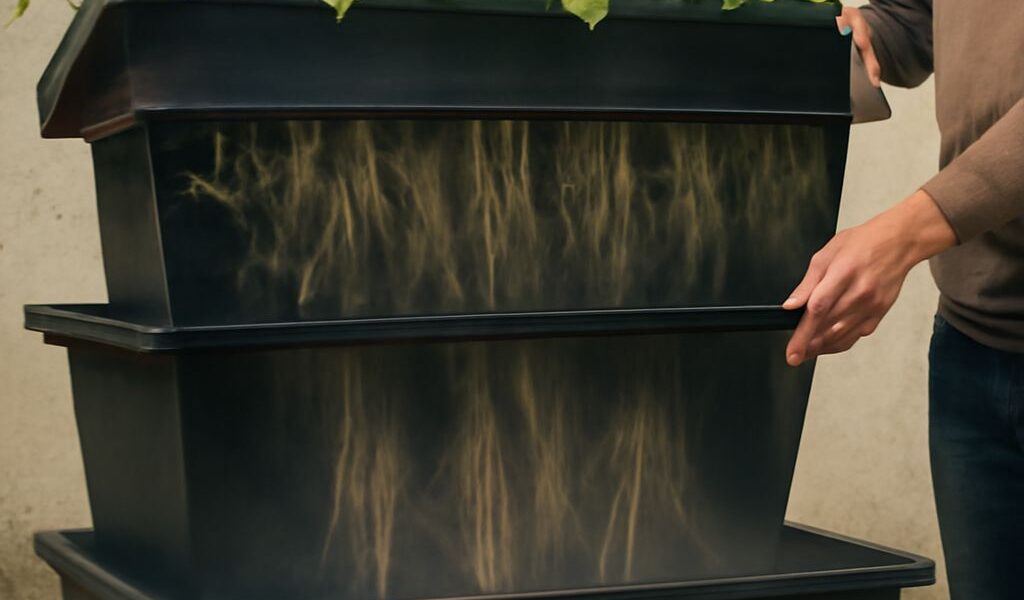
Modern aeroponic systems consist of a few key components: a support structure to hold plants above an enclosed chamber, a misting system (usually powered by a pump and nozzles), a nutrient reservoir, and a mechanism to deliver air and nutrients to the roots. Plants are typically fitted into small holders or collars that secure them in place while leaving the roots dangling freely inside a closed or semi-closed environment.
The heart of aeroponics lies in the misting process. At regular intervals, the system activates pumps or ultrasonic foggers to generate a nutrient-rich mist. This mist envelops the roots, providing water, essential minerals, and ample oxygen. Because roots are not submerged, they receive more oxygen than in other soilless systems, which accelerates nutrient uptake and growth.
Control systems—ranging from simple timers to advanced sensors and automation—manage the misting frequency and duration. This allows us to tailor conditions to specific plant needs. Many home aeroponic systems, such as the AeroGarden, Tower Garden, and DIY PVC-based setups, offer modular options for different scales and budgets. Each system’s efficiency depends on maintaining proper mist density, preventing nozzle clogs, and ensuring cleanliness to avoid mold and pathogens.
We find that investing in a well-designed system with reliable misting and easy root access pays off with more consistent results and less maintenance. Monitoring pH and nutrient concentration remains crucial for healthy, productive plants.
Benefits of Using Aeroponic Systems Indoors
Aeroponic systems deliver a unique set of advantages for indoor gardening. First, they use up to 90% less water than soil-based methods, making them highly sustainable in urban or drought-prone environments. By delivering nutrients directly to the roots, aeroponics also supports faster growth and larger yields compared to traditional gardening or even hydroponics.
Another major benefit is space efficiency. Vertical aeroponic setups let us maximize limited indoor areas, stacking plants in compact columns or tiers. This makes it possible to grow a significant amount of food in apartments, offices, or small greenhouses. The clean, soil-free environment minimizes mess, reduces the threat of pests, and eliminates the need for weeding and heavy lifting.
Aeroponic systems can be precisely controlled, enabling us to maintain optimal temperature, humidity, and nutrient levels year-round. The result is consistent, high-quality harvests regardless of outdoor weather or seasons. Many users also appreciate the ability to experiment with rare or delicate plants that might not survive in soil.
Finally, aeroponics streamlines automation. We can integrate smart sensors and remote controls to automate feeding and misting schedules, saving time and reducing the risk of mistakes. This makes indoor gardening accessible to beginners and busy professionals alike.
Tips for Setting Up an Aeroponic System at Home
To get started with an aeroponic system at home, begin by choosing a kit or DIY design that fits your available space and budget. Compact countertop systems work well for herbs and leafy greens, while larger vertical towers or custom PVC frames suit those aiming for greater production. Make sure your system includes reliable misting nozzles and an enclosed root chamber to maintain humidity and prevent light from reaching the roots.
We recommend using purified or distilled water to avoid mineral buildup that can clog misters. Regularly clean and maintain every component—especially the reservoir and nozzles—to inhibit algae and pathogen growth. If possible, install a timer or controller to automate misting cycles and keep your plants on a consistent schedule.
Monitor the pH and nutrient levels weekly. Plants grown aeroponically are sensitive to nutrient imbalances, so use a high-quality, water-soluble fertilizer formulated for soilless systems. Adjust pH to suit your crops—most thrive in a range between 5.5 and 6.5. Good air circulation and adequate light (from a sunny window or LED grow lights) will further promote healthy growth.
Lastly, be prepared to experiment. Different plants and environments may require tweaks in misting intervals or nutrient concentration. Start with fast-growing, forgiving plants like lettuce or basil before trying more challenging varieties. With a bit of setup and regular attention, we can enjoy the rewards of a thriving, soil-free indoor garden using modern aeroponics technology.