 Gloria Davis
The windmill palm tree is a standout choice for gardeners looking to add a touch of the tropics to their landscape—even in areas with chilly winters. Among the most cold-hardy palms available, windmill palms thrive in a wider range of climates than most palm species. In this guide, we’ll walk through what makes these palms unique, their ideal growing conditions, how to plant and care for windmill palms, and how they fit into a variety of landscape designs.
What Is a Windmill Palm Tree?
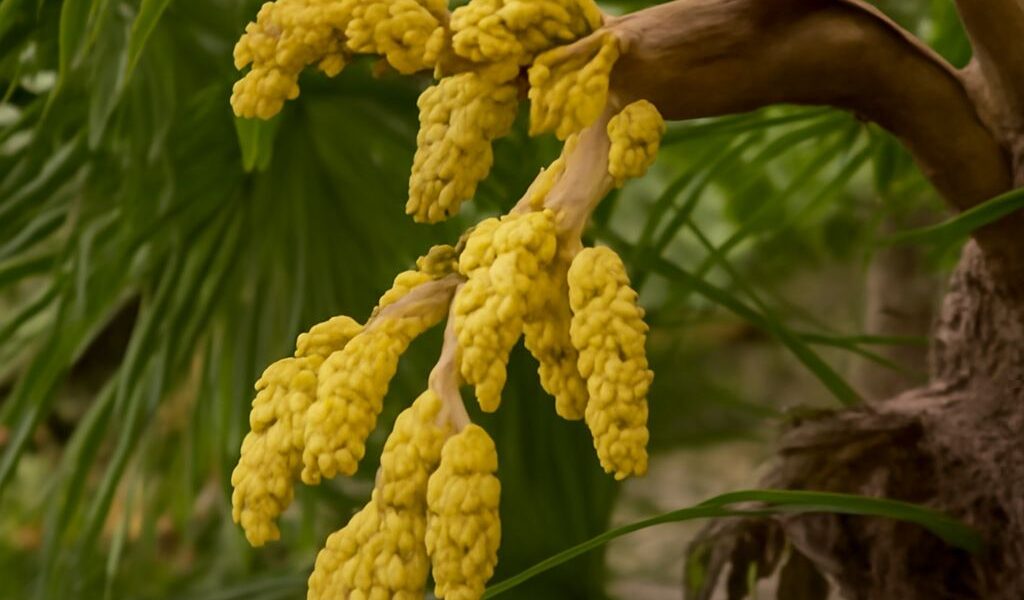
The windmill palm tree (Trachycarpus fortunei) is a slow-growing evergreen native to parts of Asia, particularly central and eastern China. Recognized for its slender, fibrous trunk covered in a mat of brown hairs, the windmill palm stands out with its fan-shaped, deep green fronds. Mature specimens typically reach 10 to 40 feet tall, making them manageable for residential yards but still substantial enough for striking vertical interest.
Unlike many other palm varieties, windmill palms tolerate cooler climates, with established trees surviving temperatures as low as 5°F (-15°C). This hardiness makes the windmill palm tree a popular option in USDA zones 7-11, where traditional palms struggle. Their attractive, symmetrical crowns and relatively compact size allow windmill palms to fit comfortably in a variety of gardens and urban settings.
In addition to their beauty, windmill palms are low-maintenance and rarely troubled by pests or diseases. Their resilience, hardiness, and ornamental appeal have made them a favorite in both home gardens and public landscapes.
Ideal Growing Conditions for Windmill Palms
Windmill palms are remarkably adaptable, but they reach their full potential when given the right environment. These palms prefer partial shade to full sun—though in hotter climates, some afternoon shade helps prevent leaf scorch. We recommend planting windmill palms where they receive morning sun and dappled afternoon light for the healthiest growth.
Well-drained, fertile soil is essential for windmill palms. They tolerate a range of soil types, from sandy to loamy, as long as the area doesn’t stay soggy after rain. Amending the planting site with organic matter can help improve drainage and nutrient content, especially in clay-heavy soils.
Consistent moisture is important, especially during the establishment phase. Deep watering once a week, allowing the soil to slightly dry between waterings, is a good rule of thumb. Once established, windmill palms are relatively drought-tolerant but will look their best with regular irrigation during dry spells.
Windmill palms are also resistant to urban pollution, salt spray, and brief cold snaps. However, they benefit from some winter protection—mulching around the base and wrapping the trunk in burlap—if temperatures routinely drop below their hardiness range.
How to Plant and Care for Windmill Palms
To plant a windmill palm tree, start by choosing a site with suitable light and well-draining soil. Dig a hole that is twice as wide as the root ball but no deeper. Carefully set the palm in the hole, ensuring the top of the root ball is level with the surrounding soil. Backfill with a mix of native soil and compost, firming gently as you go to eliminate air pockets. Water thoroughly after planting to settle the soil.
During the first year, keep the soil consistently moist but not waterlogged. Apply a 2-3 inch mulch layer around the base to retain moisture and suppress weeds, keeping mulch a few inches away from the trunk to avoid rot. Fertilize windmill palms in early spring with a slow-release palm fertilizer, following package instructions for your tree’s size and age.
Pruning is minimal—focus on removing only yellow or dying fronds near the bottom of the tree. Avoid cutting healthy green fronds, as this can weaken the palm and disrupt its growth. Watch for signs of overwatering, such as yellowing fronds or root rot, and adjust your watering schedule as needed. Windmill palms can occasionally encounter scale insects or fungal leaf spots, but these issues are rare if the tree is planted in the right conditions.
For potted windmill palms, use a well-draining palm mix and repot every 2-3 years to refresh soil and prevent root crowding. Protect young or container-grown palms from severe cold by moving them indoors or into a protected area during winter.
Landscaping Uses and Benefits of Windmill Palms
Windmill palms are prized for their architectural form and versatility. We often see windmill palm trees used as focal points in smaller gardens, courtyard plantings, or poolside landscapes. Their upright growth and compact canopy make them suitable for both tight urban spaces and more expansive beds or borders.
These palms pair well with understory plantings like ferns, hostas, and shade-loving perennials. In warm climates, they serve as elegant single specimens or grouped for a lush, tropical effect. Windmill palms are also popular in containers for patios, decks, and entryways, where their exotic flair can be enjoyed up close.
In addition to their ornamental value, windmill palms provide light shade, habitat for small birds, and a bold vertical accent that contrasts beautifully with rounded shrubs or low-growing groundcovers. Their adaptability, cold tolerance, and ease of maintenance make windmill palms an excellent investment for homeowners seeking year-round greenery and texture in their landscape.