 Gloria Davis
The golden chain tree offers a dramatic burst of color in spring, with its cascades of bright yellow flowers creating an unforgettable garden display. Also known as the laburnum tree or chain tree, this ornamental favorite is prized for its striking looks and graceful form. In this guide, we’ll share how to plant, grow, and care for a golden chain tree, including tips on managing the weeping golden chain tree variety and important safety details every gardener should know.
What Is a Golden Chain Tree?
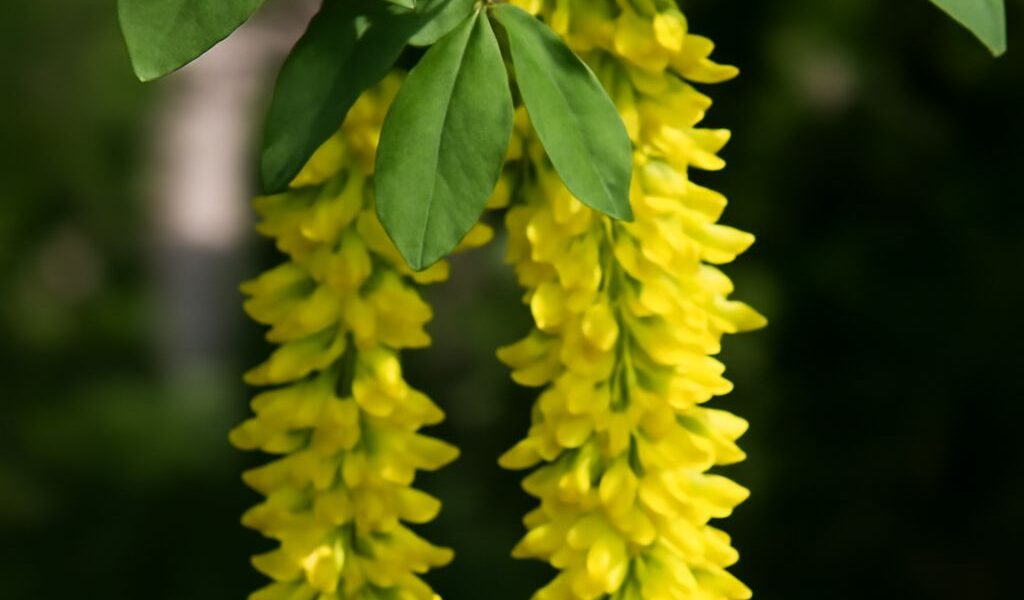
The golden chain tree (Laburnum spp.) is a small, deciduous tree or large shrub native to southern Europe. Its most distinguishing feature is the long, pendulous clusters of golden yellow flowers that appear in late spring, often lasting for two to three weeks. These flower clusters, which can reach up to 20 inches in length, give the tree its common name and provide a showstopping focal point in any garden.
Golden chain trees, sometimes simply called chain trees, typically grow 15-25 feet tall and wide. Two popular species are Laburnum anagyroides (common laburnum) and Laburnum x watereri (Voss’s laburnum), with the latter being especially favored for its abundant flowering and hybrid vigor. The foliage resembles that of peas or legumes, and the tree develops a rounded or sometimes slightly spreading canopy.
The weeping golden chain tree is a cultivated form with arching or cascading branches, enhancing its ornamental appeal. This version is often trained over pergolas, arches, or as a specimen tree to showcase its dramatic, flowing flower clusters.
How to Plant and Grow a Laburnum Tree
Success with a laburnum tree begins with thoughtful site selection and planting. These trees thrive in well-drained soil and full sun to partial shade. We should choose a spot that gets at least six hours of direct sunlight, as too much shade can reduce flowering. Avoid poorly drained areas, since laburnums dislike wet feet and may develop root rot in soggy soils.
Plant your golden chain tree in early spring or fall, spacing it 15-20 feet from other trees or large shrubs. Dig a hole two to three times as wide and as deep as the tree’s root ball. Amend the planting soil with compost to improve drainage and fertility. After setting the tree at the same depth it grew in its container, backfill with soil, tamp gently, and water thoroughly.
Mulch around the base to retain moisture and suppress weeds, but keep mulch a few inches from the trunk to prevent rot. Water young trees regularly during their first two years, especially in dry spells. Once established, golden chain trees are moderately drought-tolerant but benefit from occasional deep watering during hot, dry weather.
Laburnum trees don’t require heavy feeding. We can apply a balanced, slow-release fertilizer in early spring to support healthy growth and flowering, but avoid high-nitrogen formulas that encourage foliage at the expense of blooms.
Caring for a Weeping Golden Chain Tree
The weeping golden chain tree thrives with similar care as standard laburnums but often requires extra attention to shape and support its unique, pendulous form. Prune after flowering to remove spent blooms, dead or crossing branches, and to maintain the desired arching habit. For trees trained over arches or pergolas, tie new growth gently to supports as needed.
Regularly inspect your tree for signs of common pests like aphids or caterpillars and treat them promptly with horticultural soap or by encouraging natural predators. Fungal diseases such as powdery mildew or leaf spot may occur in humid conditions, so ensure good air circulation and avoid overhead watering. Remove and dispose of any affected leaves to limit spread.
Weeping varieties, in particular, benefit from annual thinning to allow light and air into the canopy—this keeps the tree healthy and maintains the beautiful draping effect. If growth becomes too dense or tangled, selective pruning in late winter or very early spring can restore the elegant structure before new leaves emerge.
Is the Chain Tree Poisonous?
It’s essential to know that every part of the chain tree, including the seeds, flowers, leaves, and bark, is highly poisonous if ingested. The primary toxin is cytisine, which can cause serious symptoms such as nausea, vomiting, convulsions, and even death if consumed in quantity. The seeds are especially hazardous, as they resemble edible peas and are attractive to children and pets.
We should always plant a golden chain tree where young children and animals cannot easily access fallen seed pods. If you’re considering adding this stunning tree to your landscape, weigh the risks and educate household members about its toxicity. Always wear gloves when pruning, and wash hands thoroughly afterward.
Despite its poisonous nature, the laburnum tree remains a cherished ornamental for gardens where safety measures are observed, offering breathtaking beauty with proper care and attention.