 Gloria Davis
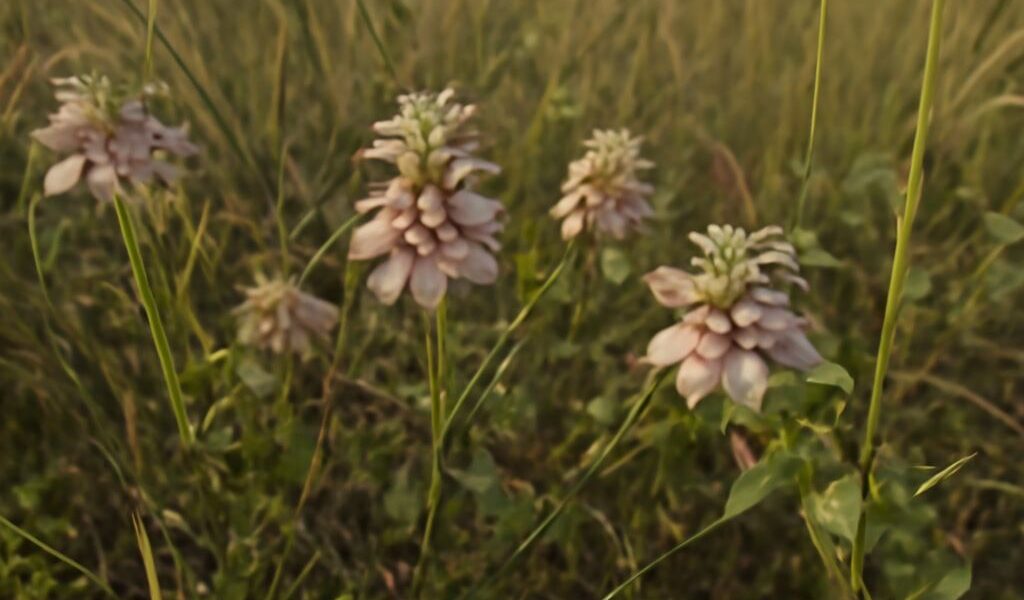
Monarda punctata, widely recognized as spotted bee balm, is a distinctive and versatile addition to pollinator-friendly gardens. With its whorled stacks of pale yellow flowers, each delicately spotted with purple, this native wildflower draws beneficial insects and adds visual intrigue to sunny borders, meadows, and naturalized plantings. If you’re looking for a hardy perennial that supports local ecosystems and thrives with minimal care, Monarda punctata deserves a closer look. Let’s explore what makes spotted bee balm unique, how to cultivate it successfully, and why it’s a favorite among both gardeners and pollinators.
What Is Monarda punctata (Spotted Bee Balm)?
Monarda punctata is a member of the mint family (Lamiaceae), native to much of eastern and central North America. Unlike the more common Monarda didyma (bee balm or bergamot), spotted bee balm features slender, upright stems topped with tiered flower clusters. The actual flowers are small, tubular, and speckled, surrounded by showy, lavender or creamy bracts that create its characteristic layered look.
This perennial typically reaches 1 to 3 feet in height and forms loose, airy clumps. The foliage is aromatic when crushed, exuding a spicy, oregano-like fragrance. Spotted bee balm is adaptable to a range of garden settings, thriving in prairies, open woods, and dry fields. Its natural range stretches from Texas and Florida north to Minnesota and New Hampshire.
One of the plant’s standout traits is its powerful appeal to pollinators. Bees, butterflies, wasps, and even hummingbirds visit Monarda punctata for its nectar and pollen. The plant blooms from mid- to late summer, providing crucial resources when many other wildflowers have faded.
How to Grow Spotted Bee Balm
Getting Monarda punctata established in your garden is straightforward if you follow a few key guidelines. This species is well adapted to poor, sandy, or rocky soils and does best in full sun. While it tolerates a range of pH levels, well-drained soil is essential to prevent root rot.
We recommend sowing seeds directly in the garden in late fall or early spring, as the seeds benefit from exposure to cold, moist conditions (stratification). Lightly press them into the soil’s surface—do not bury them deeply, as they require light to germinate. Keep the area moist until seedlings appear, typically within 2-4 weeks under ideal conditions.
Once established, spotted bee balm is drought tolerant and rarely requires supplemental watering except during prolonged dry spells. Avoid over-fertilizing, as rich soils can encourage lush foliage at the expense of blooms. Space plants 12-18 inches apart to allow for good air circulation and reduce the risk of powdery mildew—a common issue with many Monarda species, though Monarda punctata is generally more resistant.
If you wish to propagate existing plants, division in early spring works well. Simply dig up mature clumps and separate sections with healthy roots attached. Replant immediately at the same depth. Deadheading can prolong the bloom period, but leaving seed heads in place supports winter wildlife and natural reseeding.
Benefits and Uses of Spotted Bee Balm
Spotted bee balm offers both ornamental and ecological advantages. The quirky, layered blooms add texture and subtle color to wildflower gardens, prairie plantings, and pollinator strips. Its compact growth habit makes it suitable for mixed borders or as a companion to other drought-tolerant natives such as coneflower, black-eyed Susan, and little bluestem.
Ecologically, Monarda punctata is invaluable for attracting and supporting pollinators. Specialist bees, honeybees, butterflies—including swallowtails—and a wide range of beneficial wasps flock to its nectar. In particular, it serves as a larval host plant for several moth species, increasing local biodiversity.
Traditionally, Native American communities used spotted bee balm as a medicinal herb, preparing teas to treat colds, fevers, and digestive issues. The leaves contain thymol, an essential oil with antiseptic properties. While we recommend consulting a professional before using any plant medicinally, Monarda punctata can be safely enjoyed as a fragrant herbal addition to the garden landscape.
As a cut flower, spotted bee balm holds up well in arrangements, offering a unique architectural accent and subtle herbal scent.
Common Questions About Monarda punctata
Is Monarda punctata deer resistant? Yes, the strong aroma and slightly bitter taste of spotted bee balm’s foliage generally deter deer and rabbits, making it a reliable choice for gardens where browsing is a problem.
Does it spread aggressively? Unlike some Monarda species, Monarda punctata is a clump-former and not aggressively rhizomatous. It may reseed modestly but is easy to control and does not typically become invasive.
How long does it bloom? Spotted bee balm blooms for 4-8 weeks from midsummer into early fall, depending on conditions and whether you deadhead spent flowers.
Why is my Monarda punctata not blooming? The most common reasons are too much shade, overly rich or poorly drained soil, or excessive nitrogen. Ensure full sun and lean soil for best flowering.
By understanding the unique features and requirements of Monarda punctata, we can enjoy its beauty and benefits throughout the growing season while contributing to healthier habitats for pollinators.