 Gloria Davis
The duranta plant is a vibrant, fast-growing shrub prized for its cascades of colorful flowers and striking, ornamental foliage. Often called sky flower for its abundant, showy blooms, duranta brings year-round interest to gardens and landscapes in warm regions. In this guide, we’ll explain what makes this plant unique, how to grow and care for it successfully, and the key differences between popular varieties such as duranta repens and golden duranta. Whether you’re looking to add a pop of color to your yard or want a low-maintenance privacy hedge, duranta offers versatile options for home gardeners.
What Is the Duranta Plant?
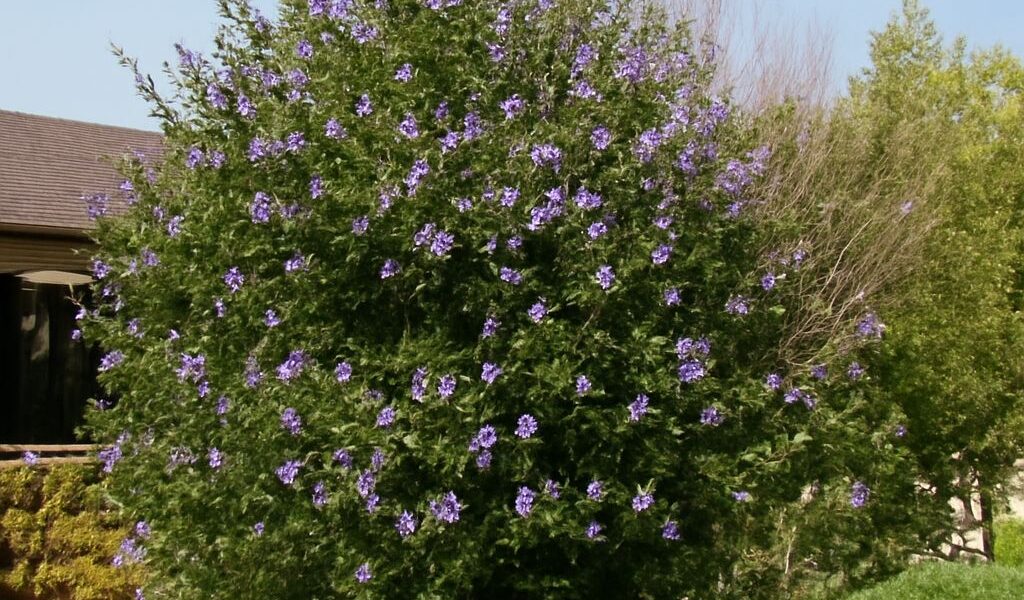
The duranta plant, botanically known as Duranta erecta or Duranta repens, is a tropical shrub native to the Americas. It’s commonly referred to as sky flower due to its clusters of blue, violet, or white star-shaped flowers that appear throughout the growing season. After flowering, the plant produces attractive yellow or orange berries, which add a burst of color and attract birds.
Duranta typically grows as a multi-stemmed shrub or small tree, reaching heights of 6 to 15 feet or more in ideal conditions. Its arching branches and glossy green leaves create a lush, dense form. Some cultivars, like golden duranta, are valued for their chartreuse or golden-hued foliage, which glows in the landscape even when not in bloom.
Hardy in USDA zones 9–11, duranta thrives in warm climates and can be grown as an annual or container plant in cooler areas. In the garden, it’s often used as a specimen shrub, colorful hedge, or accent in tropical borders.
How to Grow and Care for Sky Flower
To get the best results with sky flower, we recommend planting duranta in a location that receives full sun—at least six hours per day. While the plant can tolerate partial shade, ample sunlight promotes more blooms and brighter foliage, especially for golden duranta varieties.
Duranta plants prefer well-drained, moderately fertile soil. Before planting, enrich the soil with compost or organic matter to improve drainage. Water newly planted durantas regularly to help them establish roots. Once mature, they are relatively drought-tolerant but will look their best with consistent moisture during dry spells. Be careful not to overwater, as soggy soil can lead to root rot.
We suggest feeding your duranta plant with a balanced, slow-release fertilizer in early spring, then again mid-season if needed. Pruning is essential for maintaining shape and encouraging bushiness. In early spring or after flowering, trim back overgrown stems and remove any dead or damaged branches. This helps the plant maintain a tidy form and prevents legginess.
Duranta is susceptible to aphids, whiteflies, and spider mites, particularly in warm, humid climates. Inspect plants regularly and use insecticidal soap or horticultural oil if pests become a problem. Mulching around the base helps conserve soil moisture and suppress weeds, making ongoing care easier.
Popular Varieties: Duranta Repens and Golden Duranta
The two most popular types of duranta are duranta repens and golden duranta. Duranta repens, also known as pigeon berry or sky flower, features arching branches with clusters of lilac-blue or violet flowers. Its berries are a favorite of birds, adding wildlife value to the landscape. This variety can be pruned into hedges or allowed to grow into a small, informal tree.
Golden duranta is a cultivar prized for its bright golden-yellow leaves that stand out against green foliage. Some popular selections include ‘Gold Mound’ and ‘Sapphire Showers’. While golden duranta does flower, its main appeal is the dramatic foliage color, which provides year-round brightness. Place golden varieties where they’ll receive plenty of sun for the strongest color.
Both types are fast-growing, easy to shape, and can be used in containers, mixed shrub borders, or as striking standalone specimens. When choosing a variety, consider your design goals—select duranta repens for flowers and berries, or golden duranta for bold foliage impact.
Common Questions About Duranta Plants
Is duranta plant poisonous? Yes, all parts of the duranta plant, especially the berries, are toxic if ingested by pets or people. Always plant with caution and supervise children and animals around these shrubs.
How often should we prune sky flower? Prune lightly throughout the growing season to control size and remove spent flowers, but reserve hard pruning for early spring or after flowering. Regular trimming will keep the plant full and encourage more blooms.
Can we grow duranta in containers? Absolutely. Duranta adapts well to large pots with drainage holes. Use high-quality potting mix, water when the top inch of soil is dry, and fertilize monthly during active growth. Container-grown plants can be overwintered indoors in cold regions.
Does duranta attract pollinators? The fragrant blooms of sky flower are highly attractive to butterflies, bees, and hummingbirds, making it an excellent choice for wildlife-friendly gardens.