 Gloria Davis
Cotinus obovatus, commonly known as the American smoketree, stands out among ornamental landscape shrubs for its dramatic clouds of summer “smoke” and vibrant fall color. If you’re interested in adding a striking specimen or a unique native plant to your garden, understanding this species—and how it compares to other smoke bush varieties—will help you choose and care for the right smoke tree bush for your space.
What Is Cotinus obovatus?
Cotinus obovatus is a deciduous shrub or small tree native to the southeastern United States. Sometimes called the American smoketree, this species belongs to the Anacardiaceae family, alongside sumacs and cashews. Unlike its more widely planted Eurasian cousin, Cotinus coggygria, the American smoketree is less common in cultivation but highly valued for its unique ornamental qualities.
In the wild, Cotinus obovatus is typically found on limestone outcrops and rocky hillsides from Tennessee and Alabama to Oklahoma and Texas. Mature specimens can reach 20-30 feet in height, often developing multiple trunks and a rounded, open form. The scientific name refers to its obovate (egg-shaped) leaves, which set it apart from other members of the genus.
While Cotinus obovatus is sometimes grouped with other smoke bush varieties, it is botanically distinct and offers several unique attributes. Its rarity and adaptability to challenging sites make it a sought-after choice among native plant enthusiasts and landscape designers seeking something out of the ordinary.
Key Features of the American Smoketree
What makes Cotinus obovatus stand out? The most striking feature is its airy, plume-like flower clusters that appear in late spring to early summer. These panicles, composed of tiny yellowish flowers, give way to feathery pink or purple filaments that create the iconic “smoke” effect. On mature plants, these clouds can cover the entire canopy, drawing attention from a distance and providing months of interest.
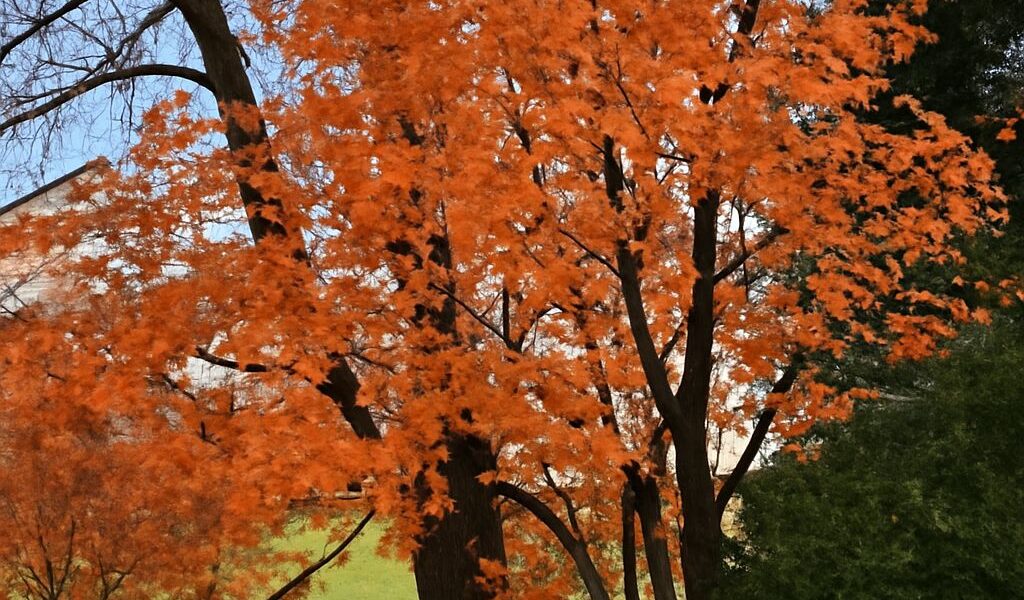
The foliage is another highlight. The leaves of the American smoketree are thick, bluish-green during the growing season and turn spectacular shades of orange, red, and purple in autumn—often rivaling the best fall color trees. The bark is gray and becomes furrowed with age, adding winter interest.
This smoke tree bush is tough and adaptable. It is remarkably drought-tolerant once established and can thrive in poor, rocky, or alkaline soils where many other ornamental trees struggle. Its deep root system makes it wind-resistant, and it is generally free from major pest or disease problems.
Smoke Bush Varieties: How Cotinus obovatus Compares
When considering smoke bush varieties, we most often encounter Cotinus coggygria, the Eurasian smoketree, and its colorful cultivars like ‘Royal Purple’ and ‘Grace.’ These varieties are favored for their dramatic purple foliage and slightly smaller, more shrub-like habit (usually growing 10-15 feet tall).
Compared to Cotinus coggygria, Cotinus obovatus is larger, with more pronounced fall color and a more open, tree-like shape. While Eurasian varieties excel in deep purple or burgundy leaf tones, the American smoketree’s foliage is typically green but provides a more intense and varied autumn display. The “smoke” effect of Cotinus obovatus is equally impressive, with airy, pale pink clusters that are generally larger than those found on most smoke bush varieties.
There are no widely available named cultivars of Cotinus obovatus, which means most plants grown are true to the species. This stands in contrast to the Eurasian smoke bush, which boasts numerous selections bred for leaf color and compact size. If you want a unique native species with strong ecological value and bold seasonal color, Cotinus obovatus is a standout choice among smoke tree bush options.
Growing and Caring for a Smoke Tree Bush
Cotinus obovatus thrives in well-drained soil and full sun, though it will tolerate partial shade. When planting, select a spot that allows room for its mature size—at least 15-20 feet away from structures or other trees for best effect. Dig a hole as deep as the root ball and twice as wide, backfill with native soil, and water deeply after planting.
This smoke tree bush requires minimal maintenance after establishment. Water regularly during the first year to help roots develop, but avoid oversaturating the soil. Once established, it is very drought-tolerant and prefers to dry out between waterings. Fertilization is rarely necessary unless your soil is very poor—too much fertilizer can reduce flowering and fall color.
Pruning is optional but can help shape young plants or remove crossing branches. For a more shrub-like form, prune back after flowering; for a tree form, select a central leader and remove lower branches. Pests and diseases are rarely an issue, but occasional leaf spot can be managed by promoting good air circulation and avoiding overhead watering.
With its remarkable “smoke” plumes, resilient nature, and brilliant fall foliage, Cotinus obovatus is a rewarding addition to gardens seeking a low-maintenance, high-impact smoke tree bush—especially for those who appreciate native plants and year-round landscape interest.