 Gloria Davis
Invasive mussels, including species like zebra clams and zebra mussels, pose significant threats to ecosystems worldwide. Particularly in the Great Lakes region, these mussels have established themselves as a major environmental concern. Understanding their impact and exploring effective management strategies can help mitigate their detrimental effects.
What Are Invasive Mussels?
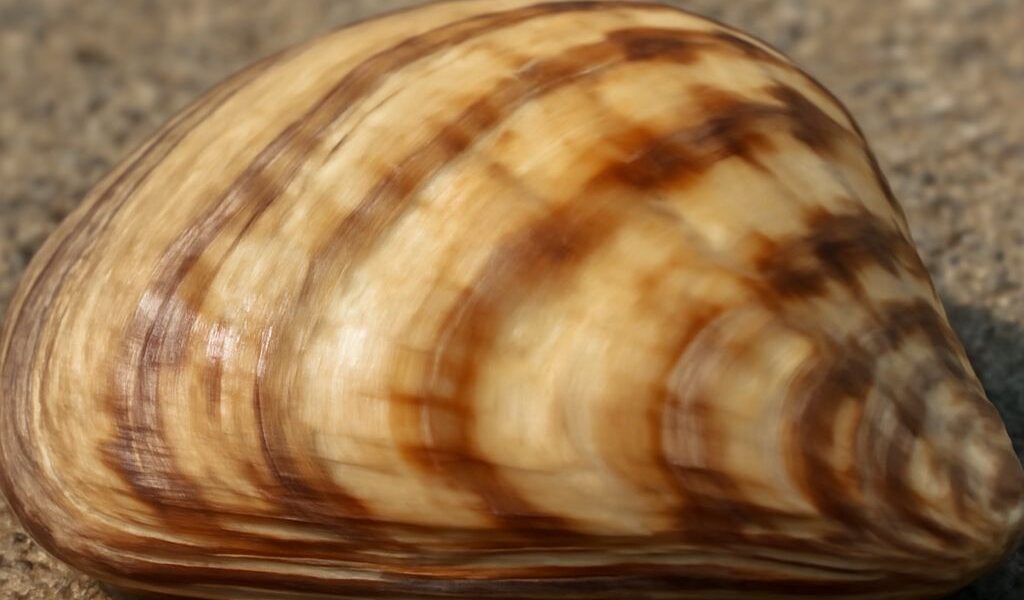
Invasive mussels refer to non-native species that have been introduced into environments where they have no natural predators. The most notorious among them are zebra mussels and their close relatives, quagga mussels. Originally from Eastern Europe, zebra mussels have made their way across the globe through ballast water discharge from ships. These small, fingernail-sized mollusks can reproduce rapidly and attach to nearly any surface, making them particularly troublesome.
The Spread of Zebra Mussels in the Great Lakes
Zebra mussels were first discovered in the Great Lakes in the late 1980s. Since then, they have spread rapidly throughout the region, infesting waters from Lake Erie to Lake Michigan. Their spread has been facilitated by recreational boating and the transport of contaminated equipment. Zebra mussels thrive in the Great Lakes due to their ability to attach to boats, docks, and intake pipes, creating extensive colonies that can cover vast areas.
Impact on Ecosystems
The introduction of zebra mussels in the Great Lakes has had profound impacts on local ecosystems. These mussels are filter feeders, meaning they consume large quantities of plankton, which is vital for the survival of native fish species. By depleting this essential resource, zebra mussels disrupt the food chain, affecting fish populations and other aquatic life. Additionally, their dense populations can clog water intake systems, leading to significant economic costs for industries reliant on water systems, such as power plants and municipal water supplies.
Management and Prevention Strategies
To combat the spread of invasive mussels, particularly zebra clams, several management and prevention strategies have been implemented. One common approach is the use of chemical treatments, such as molluscicides, to control mussel populations in infected waters. However, these chemicals must be used cautiously to minimize harm to native species.
Prevention remains a critical component in managing invasive mussel populations. Public awareness campaigns educate boaters and anglers on the importance of cleaning their equipment and boats to prevent the transport of invasive species. Moreover, regulations requiring ballast water treatment for ships aim to reduce the introduction of non-native mussels into new environments.
Ongoing research continues to explore innovative solutions, such as the development of biological control methods and engineering interventions to prevent mussel settlement on critical infrastructure. As we advance our understanding and control measures, collaboration between government agencies, researchers, and the public is essential to protect our ecosystems from the threats posed by invasive mussels.