 Gloria Davis
When we talk about biodiversity, we’re exploring the incredible variety of life on our planet. Biodiversity can be categorized into three main types: genetic, species, and ecosystem diversity. Each type plays a significant role in the health and sustainability of ecosystems, such as forests, which are teeming with life. Let’s delve into these types and understand their value.
Genetic Diversity
Genetic diversity refers to the vast array of genetic characteristics found within a species. This diversity is crucial because it determines a species’ ability to adapt to changing environments and resist diseases. For instance, in a forest ecosystem, the genetic diversity among tree species can help them withstand various pests and climatic conditions. Without genetic diversity, species like trees would struggle to cope with environmental changes, leading to a decreased forest health.
Species Diversity
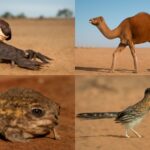
Species diversity is the variety of different species within a particular habitat or ecosystem. This type of biodiversity is often what people first think of when they hear “biodiversity.” A forest with a high species diversity is more resilient to disturbances like pests and diseases. This diversity ensures that some species will survive changes even if others do not, maintaining the ecosystem’s overall balance. Consider a forest where numerous bird species coexist; each species might play a unique role, such as seed dispersal or pest control, contributing to the forest’s functionality.
Ecosystem Diversity
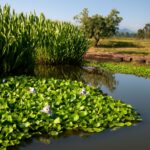
Ecosystem diversity encompasses the variety of ecosystems within a geographical location. It includes different habitats, biological communities, and ecological processes. For example, in a large forest, you might find rivers, wetlands, and grasslands, each hosting different organisms and providing various ecosystem services. This diversity is crucial for ecosystem resilience, as it supports a wide range of life forms and enhances the ability of ecosystems to recover from disruptions like natural disasters.
The Value of Biodiversity
The value of biodiversity is profound and multifaceted. It contributes to ecosystem services that support human life, such as clean air and water, pollination of crops, and climate regulation. Biodiversity also holds aesthetic and cultural value, offering recreational opportunities and spiritual significance to different cultures. In practical terms, diverse ecosystems are more productive and stable, providing resources like timber, medicine, and food more efficiently. Moreover, preserving biodiversity ensures the sustainability of these ecosystems for future generations, highlighting its critical role in maintaining life on Earth.