 Gloria Davis
When it comes to gardening and farming, understanding the difference between hay and straw is crucial for making informed decisions. Although they might look similar at first glance, hay and straw have distinct characteristics and serve different purposes in agriculture and beyond. Let’s break down their differences, uses, and benefits.
What is Hay?
Hay is primarily made from grass, legumes, or other herbaceous plants that have been cut, dried, and stored for use as animal fodder. It is harvested when the plants are still green and full of nutrients, making it a rich source of food for livestock such as horses, cattle, and sheep. The nutritional content of hay can vary based on the types of plants used and when they are harvested. Common types of hay include alfalfa and timothy grass, both prized for their high protein and fiber content.
What is Straw?
Straw, on the other hand, is the byproduct of cereal crops like wheat, barley, and oats. After the grain has been harvested, the remaining stalks are dried to produce straw. Unlike hay, straw is not typically used as animal feed because it lacks the nutritional value that livestock needs. Instead, straw is often used for bedding in animal stalls, as mulch in gardens, or for erosion control due to its hollow, lightweight structure.
Key Differences Between Hay and Straw
The main difference between hay and straw lies in their composition and purpose. Hay is a nutrient-rich food source, while straw is a byproduct used for non-food purposes. Hay is made from cut and dried plants that are harvested specifically for feeding animals, ensuring a high nutrient content. In contrast, straw is left after harvesting grains, resulting in a product that is more structural than nutritional.
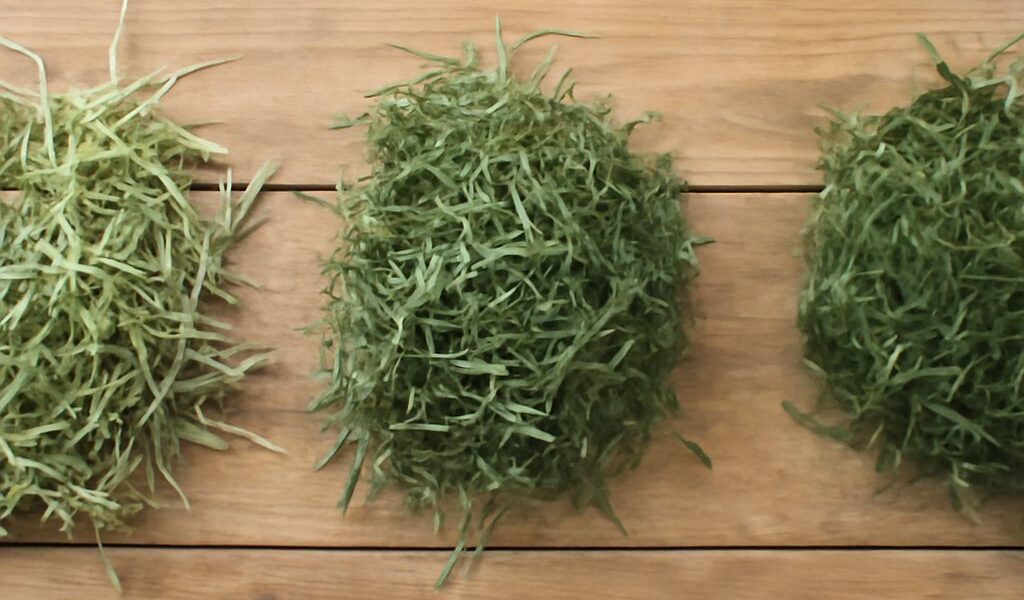
Furthermore, the texture and color can also help distinguish between the two. Hay is usually greener and softer to the touch, due to the leafy content and moisture retained during the drying process. Straw tends to be yellow or golden and has a more rigid, hollow texture, which makes it ideal for insulation and bedding rather than consumption.
Uses in Gardens and Farming
Both hay and straw have valuable applications in gardening and farming, albeit in different roles. In gardens, straw is commonly used as mulch. Its structure helps suppress weeds, retain soil moisture, and prevent erosion. It can also add some organic matter to the soil as it decomposes over time. Straw is also widely used as animal bedding, providing a comfortable and dry environment for livestock.
Hay, while less commonly used in gardens, can also serve a purpose when needed. It can be used for composting, adding rich organic material to the mix. However, gardeners need to be cautious about weed seeds present in hay, as these can introduce unwanted plants to the garden.
In farming, hay is an essential feed for livestock during times when fresh pasture is not available, such as winter months. Its high nutritional content supports animal health and productivity. Meanwhile, straw’s role in farming extends to providing bedding and contributing to soil health, making it a versatile component in sustainable agricultural practices.