 Gloria Davis
The night jasmine, scientifically known as Cestrum nocturnum, is a beloved plant for those who enjoy enchanting gardens. Known also as the night blooming jessamine, this plant is famed for its intoxicating fragrance that emerges predominantly at night. For garden enthusiasts looking to incorporate a touch of mystery and allure to their outdoor spaces, the night jasmine plant offers both beauty and a sensory delight. Let’s explore how to plant and care for this fascinating species.
What is Night Jasmine?
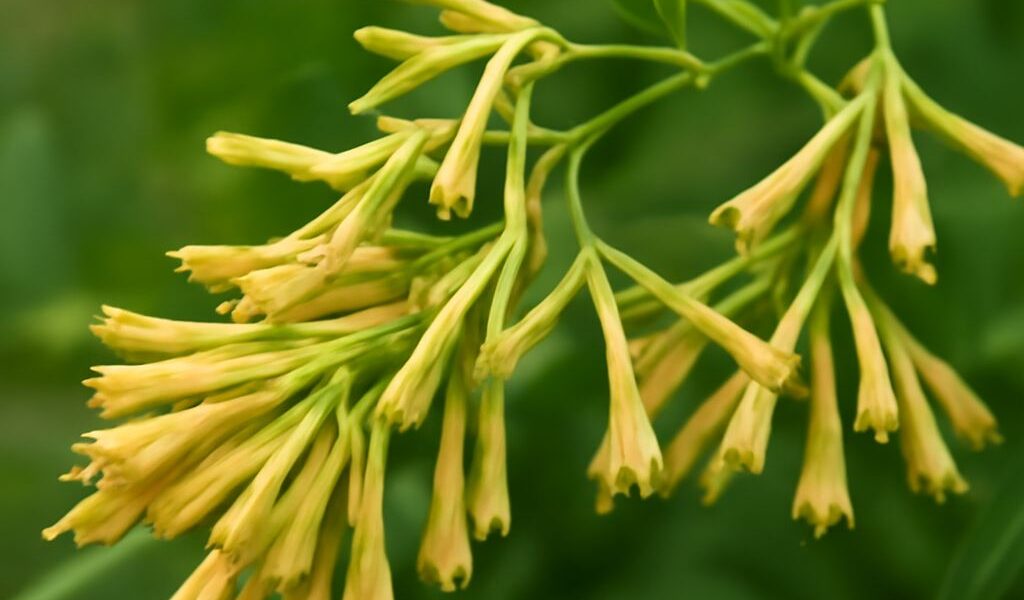
Night jasmine is a flowering shrub native to the West Indies but has found popularity in gardens worldwide due to its captivating evening fragrance. As a member of the Solanaceae family, it can grow up to 10 feet tall, producing clusters of small, tubular flowers that open at night. Despite its name, it isn’t a true jasmine, but its aromatic blooms more than make up for that distinction.
Planting Night Jasmine
When planting night jasmine, it’s crucial to select the right location. This plant thrives in well-drained soil and prefers a spot that receives full sun to partial shade. If you’re planning to grow it in a colder region, consider potting it so you can bring it indoors during winter months.
To plant, dig a hole twice as wide and the same depth as the root ball. Gently place the plant in the hole, fill it with soil, and water thoroughly. Ensure that the soil remains consistently moist, especially in its initial growing phases, to encourage strong root development.
Caring for Cestrum Nocturnum
Caring for Cestrum nocturnum is relatively straightforward. The plant prefers warm climates and can be quite drought-tolerant once established. However, regular watering is essential during dry spells to maintain its lush foliage and prolific blooming.
Fertilizing the night jasmine plant twice a year—once in early spring and again in late summer—will support its growth and flowering. A balanced, slow-release fertilizer is ideal for this purpose. Pruning is another key aspect of care; it helps maintain the plant’s shape and encourages more vigorous flowering. Prune after the blooming season to remove any dead or overgrown branches.
Common Issues and Solutions
While night jasmine is generally robust, it can occasionally face issues like pests and diseases. Aphids and whiteflies are common pests, but they can be managed with insecticidal soap or neem oil. Ensure good air circulation around the plant to prevent fungal diseases like powdery mildew.
If the plant exhibits yellowing leaves, it might indicate iron chlorosis—a common issue in alkaline soils. Address this by checking soil pH and amending it with sulfur if necessary. Adding iron supplements can also help.
In summary, the night jasmine plant is a magnificent addition to any garden, providing a fragrant nighttime spectacle. With the right care, it can thrive and enchance your outdoor space with its unique charm.