 Gloria Davis
Lily pad plants, known for their round, floating leaves and showy blooms, are iconic additions to ponds and water gardens. Whether we’re looking to enhance a backyard water feature or create a peaceful aquatic display, understanding waterlilies and their care is key. Let’s explore the essentials, from varieties to planting tips, so we can cultivate stunning, healthy lily pad plants at home.
What Is a Lily Pad Plant?
A lily pad plant is the common name for aquatic plants in the Nymphaeaceae family, most notably the waterlily (Nymphaea spp.). The “lily pad” refers to the round, flat leaves that float on the water’s surface, while the eye-catching flowers rise just above them. These plants root in soil at the bottom of ponds or water gardens, with leaves and blossoms stretching up to float or bloom at the surface.
The structure of a lily pad plant is perfectly adapted to aquatic life. Thick, waxy pads repel water and provide shade, helping control algae and keeping pond water cooler. Their roots help stabilize submerged soil and offer habitat for fish and beneficial insects. The flowers, which bloom in a range of colors, attract pollinators and add brilliant visual interest from late spring through early fall.
Most lily pad plants are classified as either hardy or tropical waterlilies, which differ in their temperature tolerance, flower shapes, and care requirements. Both types make excellent choices for gardeners interested in water features, but hardy water lilies are especially popular in temperate climates for their reliability and return year after year.
Popular Types of Waterlilies
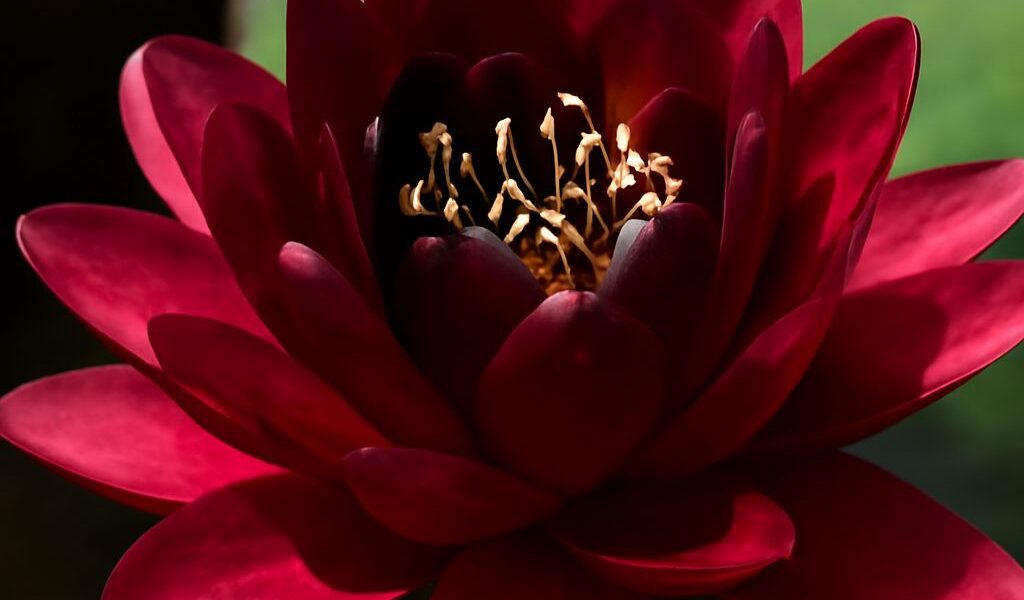
When planning a pond, we can choose from a wide selection of waterlilies. The two main groups are hardy water lilies and tropical waterlilies. Hardy water lilies are perennial in USDA zones 3-11 and overwinter easily, making them well-suited to most North American gardens. Their flowers typically open during daylight hours and come in white, yellow, pink, and red shades. Popular varieties include:
- Nymphaea ‘Marliacea Chromatella’: Pale yellow blooms, good for medium and large ponds.
- Nymphaea ‘Joey Tomocik’: Vivid yellow flowers and prolific bloom production.
- Nymphaea ‘Madame Wilfron Gonnère’: Double pink flowers with a striking appearance.
Tropical waterlilies, which thrive in warmer climates or when grown as annuals, offer a wider color palette, including blue and purple, as well as both day- and night-blooming types. While less cold-hardy and requiring removal before winter in cool climates, they reward us with larger flowers, bolder foliage, and sometimes a sweet fragrance.
Choosing between hardy and tropical types depends on our winter temperatures, maintenance preferences, and desired color range. Hardy varieties are the go-to for most pond owners seeking reliable, long-term beauty.
How to Grow Hardy Water Lilies
Planting and growing hardy water lilies is straightforward with a few basic steps. We start by selecting a spacious container or a clear, still spot in our pond. Choose a spot that receives at least 6 hours of sunlight daily, as waterlilies require strong light for healthy growth and abundant blooms.
Use a heavy loam or aquatic planting soil in a wide, shallow container (about 10-15 inches wide and 6-8 inches deep). Place a slow-release aquatic fertilizer tablet in the soil. Position the rhizome at a 45-degree angle with the growing tip just above the soil surface, then gently add gravel to anchor the soil without covering the growing shoot.
Lower the container gradually into the pond so the crown sits 6-18 inches below the surface. As the plant grows, we can move it deeper. Established lilies can be divided every 2-3 years to prevent overcrowding and promote vigorous flowering. Hardy water lilies are typically planted in late spring after the threat of frost passes.
Regularly monitor for pests, such as aphids or water-lily beetles, and remove damaged leaves to maintain good health.
Water Lily Care Tips for Healthy Blooms
Successful water lily care centers on providing enough sun, clean water, and regular feeding. Waterlilies do best in still or very slow-moving water; avoid planting them near fountains or waterfalls. Fertilize every 4-6 weeks during the growing season with aquatic plant fertilizer for strong blooms and robust foliage.
We should remove faded flowers and yellowing leaves to direct energy toward new growth and prevent rot. Keep pond water clear of excess debris and algae, as murky water can reduce sunlight reaching the leaves and affect flowering. If water levels drop in hot weather, top up with dechlorinated water to avoid exposing the pads and roots.
In fall, hardy water lilies naturally slow down. Trim back old foliage and allow the plants to overwinter in the pond if it doesn’t freeze solid. In very cold regions, containers can be moved to the deepest part of the pond or overwintered indoors in water. With proper waterlily care, these plants can thrive for decades, providing beauty, shade, and vital habitat for pond life.