 Gloria Davis
When it comes to enhancing garden soil and promoting plant growth, peat moss is a favored choice among gardeners. As we delve into what is peat moss and its potential benefits, you’ll find that this natural material offers a range of uses that can transform your gardening practices. Let’s explore its nature, advantages, and the various ways it can be utilized in your garden.
What is Peat Moss?
Peat moss is a type of organic matter that forms from the partial decomposition of mosses, typically in peat bogs. It is harvested mainly from sphagnum moss, accumulating over thousands of years in wetland environments. The slow decomposition process results in a rich, fibrous material that is highly valued for its ability to improve soil structure and moisture retention.
How Peat Moss Benefits Your Garden
One of the primary reasons gardeners turn to peat moss is because it significantly enhances soil quality. But what does peat moss do to make it so beneficial? Firstly, it improves soil aeration. Peat moss’s light and porous structure allows air to circulate, which is crucial for healthy root development. Secondly, it excels in retaining moisture. This quality ensures that the soil remains damp longer, reducing the frequency of watering needed and providing a consistent moisture supply to plants.
Additionally, peat moss has an acidic pH, making it ideal for acid-loving plants such as blueberries and azaleas. Its use can help stabilize the pH of alkaline soils, creating a more favorable environment for these species. Moreover, peat moss is a sterile medium, meaning it is free from weed seeds, pathogens, and pests, offering a clean start for seed germination and plant growth.
Common Uses for Peat Moss in Gardening
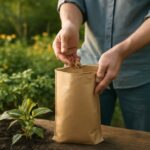
There are several uses for peat moss in gardening that make it a versatile choice. One common application is as a soil amendment. By mixing peat moss into garden beds, you can enhance the soil’s capacity for moisture and improve its texture, especially in sandy or clay-heavy soils.
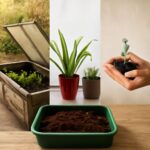
Peat moss is also frequently used in seed starting. Its fine texture and ability to hold water make it an excellent medium for starting seeds indoors. Gardeners often blend it with other materials to create a well-balanced seed-starting mix.
In addition to these applications, peat moss serves as an effective mulch. It can be spread over the surface of the soil around plants to help retain moisture, suppress weeds, and maintain a more stable soil temperature. As it breaks down, it further enriches the soil with organic matter.
Alternatives and Considerations
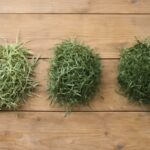
While peat moss offers numerous advantages, it’s important to consider sustainable alternatives due to environmental concerns associated with peat bog harvesting. Alternatives such as coconut coir, compost, and bark mulch can provide similar benefits in terms of moisture retention and soil improvement without depleting natural peat bogs.
Coconut coir, derived from coconut husks, is a popular and sustainable substitute. It shares peat moss’s ability to retain water and improve soil aeration. Compost is another excellent option, providing a rich source of nutrients and enhancing soil structure as it decomposes.
When choosing between peat moss and its alternatives, consider factors such as availability, environmental impact, and specific plant needs. By weighing these options, we can make informed decisions that support both our gardening goals and environmental sustainability.