 Gloria Davis
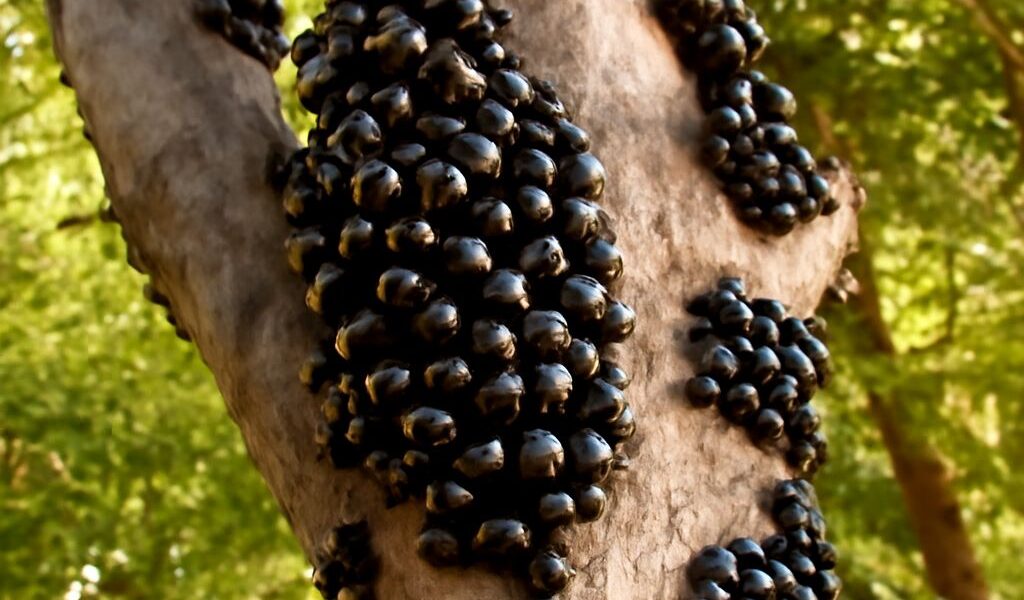
The jaboticaba tree, also known as the Brazilian grape tree, is a unique and fascinating plant native to Brazil. This fruit-bearing tree is renowned for its ability to produce fruit directly on its trunk and branches, creating a striking visual display. With the right care and conditions, we can successfully grow this tropical tree in our own gardens.
Understanding the Jaboticaba Tree
The jaboticaba tree, scientifically known as Myrciaria cauliflora, thrives in subtropical and tropical climates. It can grow up to 45 feet tall, though it often remains smaller when cultivated in home gardens. The tree has glossy, dark green leaves and produces white flowers that develop into deep purple, grape-like fruits. These fruits are not only delicious but are also packed with antioxidants and vitamins.
How to Plant a Jaboticaba Tree
To ensure the successful growth of a jaboticaba tree, we must choose the right location and prepare the soil accordingly. The tree prefers well-draining, acidic soil enriched with organic matter. To plant a jaboticaba tree, follow these steps:
- Select a suitable location: Choose a spot with full sun to partial shade, as the tree thrives in warm, sunny conditions.
- Prepare the soil: Amend the soil with compost or peat moss to improve its acidity and drainage.
- Planting: Dig a hole twice as wide and as deep as the root ball. Place the tree in the hole, ensuring the top of the root ball is level with the soil surface. Backfill with soil and water thoroughly.
- Mulch: Apply a layer of organic mulch around the base of the tree to retain moisture and suppress weeds.
Caring for Your Jaboticaba Tree
Proper care is essential for a thriving jaboticaba tree. Here are the key steps:
- Watering: The tree requires regular watering, especially during dry periods. Ensure the soil remains consistently moist but not waterlogged.
- Fertilizing: Feed the tree with a balanced, slow-release fertilizer every three months to promote healthy growth and fruit production.
- Pruning: Prune the tree lightly to remove dead or crossing branches and to maintain its shape. This will also improve air circulation.
- Pest and disease management: Keep an eye out for common pests like aphids and scale insects. Use organic insecticides if necessary.
Harvesting and Using Jaboticaba Fruit
Jaboticaba fruits mature on the tree’s trunk, making harvest a simple task. Depending on the climate, the tree might fruit several times a year. Here’s how to harvest and use the fruit:
- Harvesting: The fruits are ready to pick when they turn a deep purple and feel slightly soft to the touch. Gently twist or pull them off the branches.
- Consumption: Fresh jaboticaba can be eaten raw, offering a sweet and tart flavor. The skin is edible but slightly bitter.
- Other uses: The fruits are excellent for making jams, jellies, and wine. They can also be added to desserts or smoothies for added flavor and nutrition.
By following these guidelines, we can enjoy the beauty and bounty of the jaboticaba tree in our own gardens, delighting in its unique fruit and ornamental appeal.