 Gloria Davis
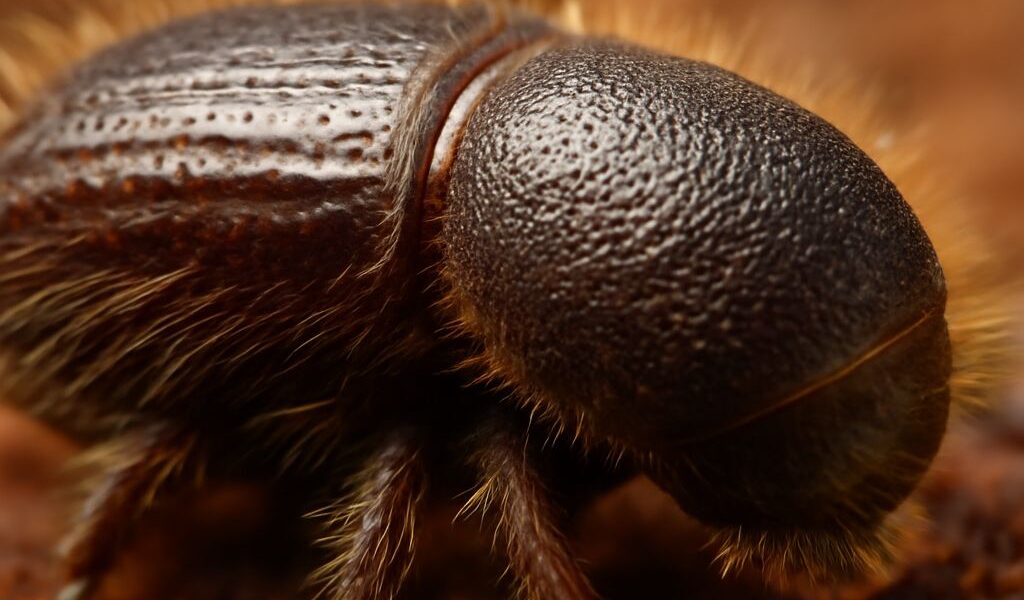
The spruce beetle, often referred to as the spruce bark beetle, is a tiny yet formidable pest that poses a significant threat to forest ecosystems. With climate change and human activities creating favorable conditions, these beetles have become more pervasive, causing extensive damage to spruce forests across North America. Understanding the spruce beetle’s life cycle, its impact, and effective management strategies is crucial in mitigating its destructive effects.
What is the Spruce Beetle?
The spruce beetle (Dendroctonus rufipennis) is a bark beetle that primarily targets spruce trees. Although small in size, these beetles are highly destructive, especially during outbreaks. Infestations typically occur in mature forests with an abundance of old or weakened trees, making them more susceptible to attacks.
Life Cycle of the Spruce Beetle
The life cycle of the spruce beetle is closely tied to temperature and seasonal changes. It generally spans one to two years, depending on climate conditions. Adult beetles emerge in late spring to early summer and infest new host trees. They bore through the bark to lay eggs in the phloem layer, where the larvae tunnel and feed. This feeding disrupts the tree’s nutrient flow, ultimately leading to its death. Overwintering occurs at the larval stage, and the cycle begins anew as temperatures rise.
Impact on Forest Ecosystems
Spruce beetles can decimate large areas of forest, leading to significant ecological and economic consequences. Infestations result in the death of vast numbers of trees, which in turn affects biodiversity, water quality, and fire regimes. The loss of tree cover can disrupt wildlife habitats and alter the forest composition, often favoring non-host species. Additionally, dead trees increase the risk of wildfires, posing a hazard to surrounding communities.
Management and Prevention Strategies
Effective management of spruce beetle populations involves a combination of monitoring, prevention, and direct control measures. Regular monitoring of beetle activity helps in early detection and prevention of large-scale infestations. Aerial surveys and ground assessments are commonly used methods.
Prevention strategies focus on maintaining forest health. This includes thinning dense stands, removing infested trees, and promoting tree diversity to create more resilient ecosystems. In some cases, the application of insecticides may be necessary to protect high-value trees or during severe outbreaks.
Direct control measures are often more challenging and include the use of pheromone traps to disrupt mating cycles or the removal and destruction of infested trees to reduce beetle populations.
Collaborative efforts between government agencies, forestry professionals, and local communities are essential in implementing effective management strategies. By understanding the spruce beetle’s behavior and impact, we can better protect our forest ecosystems from this destructive pest.