 Gloria Davis
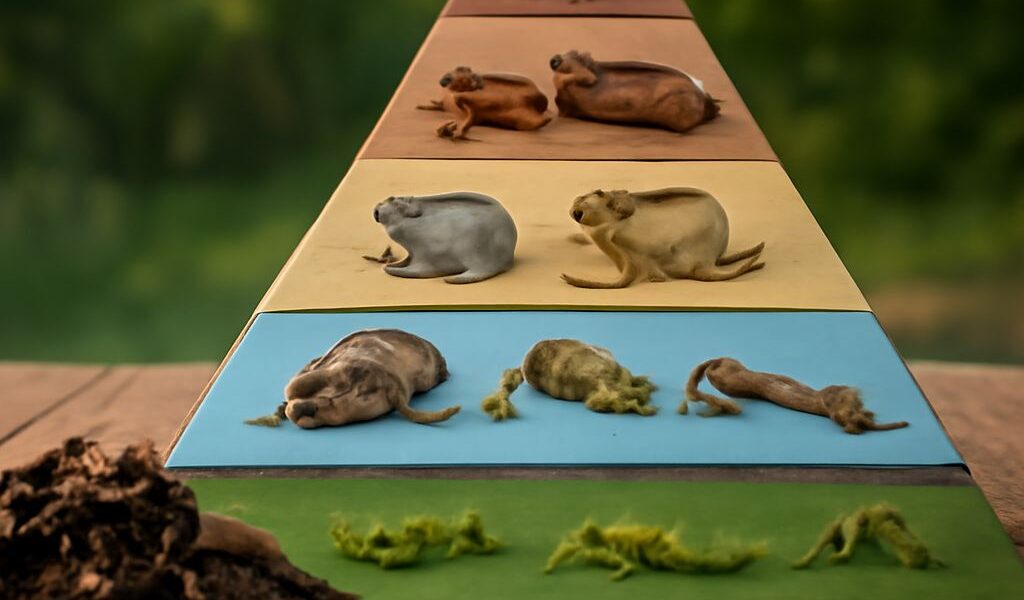
In the vast and arid landscapes of deserts, life thrives in ways that are both fascinating and complex. Understanding the interactions between desert producers and consumers is essential for grasping how these ecosystems function. Let’s explore the roles of producers, primary consumers, and secondary consumers in the desert environment.
Desert Producers: The Foundation of Life
Desert producers are the cornerstone of life in these harsh environments. These organisms, primarily plants such as cacti, succulents, and shrubs, are capable of photosynthesis, converting sunlight into energy. They are well-adapted to conserve water and withstand extreme temperatures, making them vital in sustaining the desert ecosystem.
For example, the prickly pear cactus and the creosote bush are two dominant producers. They not only provide essential nutrients but also offer shelter and protection for various desert animals. Through their ability to store water and thrive in nutrient-poor soils, desert producers form the base of the food web, supporting both primary and secondary consumers.
Primary Consumers in the Desert
Primary consumers in the desert predominantly include herbivorous animals that rely on producers for sustenance. These consumers have evolved to extract maximum nutrition from tough, fibrous plant materials. Common primary consumers are insects, rodents, and herbivorous reptiles.
For instance, the desert cottontail rabbit and the kangaroo rat are adept at surviving with minimal water and feeding on seeds, grasses, and leaves. These animals play a crucial role in transferring energy from producers to higher trophic levels, ensuring the continuity of the food chain.
Secondary Consumers: Predators of the Desert
Secondary consumers in the desert are often predators that feed on primary consumers. These include carnivorous mammals, birds, and reptiles that have adapted to the sparse availability of prey and extreme conditions.
Examples of secondary consumers are the desert fox, rattlesnake, and hawk. These predators have developed keen hunting skills and physiological adaptations to locate and capture prey efficiently. By controlling the population of primary consumers, they maintain the balance within the ecosystem.
In summary, desert ecosystems function through a delicate interplay between producers and consumers. From resilient plants to adaptive herbivores and skilled predators, each plays a critical role in sustaining life in these unique landscapes.