 Gloria Davis
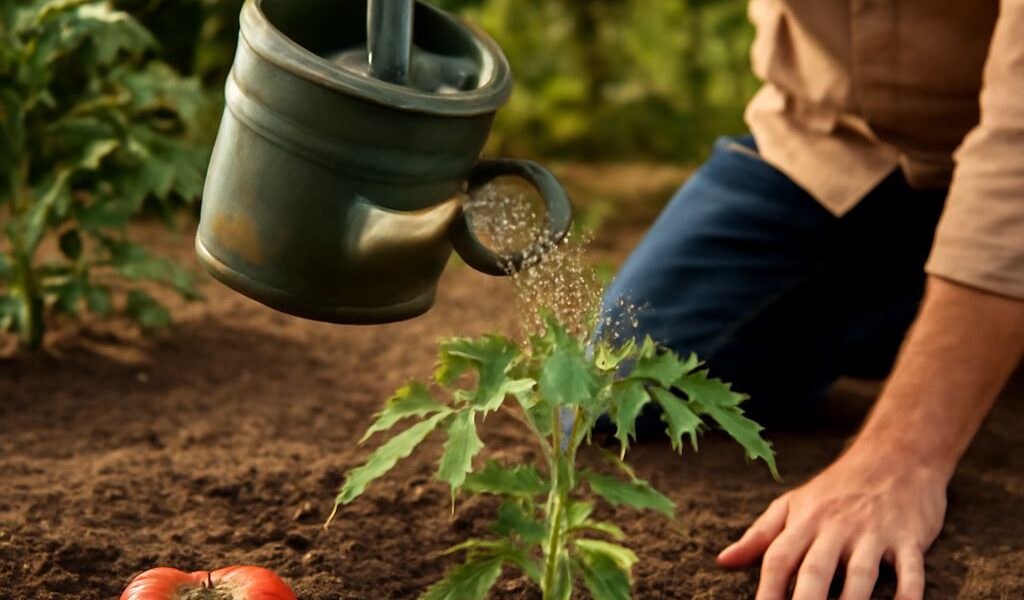
How much water will your tomatoes need today? Check the soil near their roots: if it is drying, water deeply; if it is still moist, wait and check again. Weather, soil and the plant’s size all shape the answer.
How often should you water a tomato plant? A seedling in a small pot and a fruiting vine in a garden bed draw on very different reserves. The aim is steady moisture through the root zone, with enough air remaining in the soil.
How Often Should I Water Tomato Plants?
The frequency of watering tomato plants varies with each garden. In hot, windy weather a container may need water daily or even more often, while a garden bed after rain may need none. Begin by checking pots at least once a day in warm weather, and inspect beds regularly; increase checks during a heat wave.
Push a finger about an inch into the mix in a container, away from the stem. If that layer is dry, water slowly until excess begins to drain from the bottom. If the surface is damp and the pot remains heavy, wait and check again.
In a bed, use a finger or small trowel to inspect several inches down near the edge of the root area. The soil should feel moist, not saturated. If only the surface is dry but deeper soil is moist, wait. If the root zone is drying, water slowly and check again afterward to see how deeply it penetrated. The question “how often should I water tomato plants” has a practical answer in that second look: water again when the root zone begins to dry, adjusting the interval as conditions change.
A useful weekly measure for garden beds
How much water do tomatoes need over a week? For plants growing in the ground, a common guide is about 1 to 2 inches from rain and irrigation combined. University of Missouri Extension gives that range; NC State Extension suggests about 1.5 inches during fruiting. These are guides for a bed, not a fixed dose for each pot.
Use a rain gauge to see what fell, then check the root zone before making up any shortfall. A light shower may wet leaves and the surface without reaching deeper roots; prolonged rain can leave the soil wet enough to postpone irrigation. When deciding how much water for tomatoes is appropriate, let the depth of moisture guide the next application as well as the weekly total.
Water slowly enough for the soil to absorb it instead of running onto a path. The quantity of water tomatoes need will rise or fall with heat, rainfall and the way the soil holds moisture. To decide how much water your tomato plants need, combine that measure with a check below the surface.
Roots, growth and the size of the reservoir
New transplants have small root systems close to the original root ball. Check there as well as in the surrounding soil, and keep that area evenly moist while roots establish.
As foliage expands and fruit develops, the plant can use more water, particularly on bright, hot days. How much water do tomato plants need at that stage? Start with the bed guideline above, but check the root zone more often and adjust for the actual weather. An established plant in a small container can exhaust its limited supply quickly, even when a neighboring bed remains damp.
Sandy soil drains and dries faster than heavy clay; clay can hold water longer but may drain slowly. Compost mixed into garden soil can improve its structure over time. A layer of organic mulch also slows evaporation: spread it over moist soil, leaving a little space around the stem. Mulch helps retain water already present, so check beneath it rather than judging the bed by its surface.
Water deeply and make room for drainage
Direct water to the soil at the base of the plants. A soaker hose, drip line or slow watering can supplies moisture without routinely wetting the leaves. After a thorough watering, check that moisture has reached beyond the top inch or two; frequent shallow sprinkling can leave deeper roots dry.
Containers need open drainage holes and a mix suited to pots. Let excess water escape and empty a saucer that holds standing water. If the mix remains saturated for days, check for blocked holes, compacted mix or a container sitting in water. A larger container gives roots a larger moisture reserve, though it still needs drainage and monitoring.
Read the whole plant and soil together
Wilting can accompany dry soil, but roots in waterlogged soil can also struggle. If leaves droop, inspect the soil before watering: dry soil calls for a thorough drink; wet soil calls for a pause and a drainage check. Brief afternoon wilting in intense heat can ease as temperatures fall, so a moist root zone is useful evidence against adding water immediately.
Wide swings between dry and saturated soil can contribute to fruit cracking and blossom-end rot, a dark, sunken patch at the blossom end. Consistent moisture helps the plant take up and move calcium; adding fertilizer alone will not correct an erratic watering routine. Iowa State Extension links both disorders to fluctuating moisture.
For your next watering, feel the soil at the roots. If it is drying, water slowly and deeply; if it is still moist, wait and check again as the weather and plant change.