 Gloria Davis
Understanding the natural world around us begins with recognizing the different environments that define our planet. These environments, known as biomes, vary across the globe, each with distinctive climates, flora, and fauna. By exploring a biomes map, we can identify the characteristics of the area we inhabit and answer the question: What biome do we live in?
What Are Biomes?
Biomes are large geographical areas that share similar climate conditions, plant life, and wildlife. They are distinct ecosystems that, despite their differences, operate in harmony with one another to sustain life on Earth. Major biomes include forests, grasslands, deserts, tundras, and aquatic environments. Each biome supports unique species adapted to its specific conditions, making the study of biomes essential for understanding biodiversity and conservation.
Using a Biomes Map
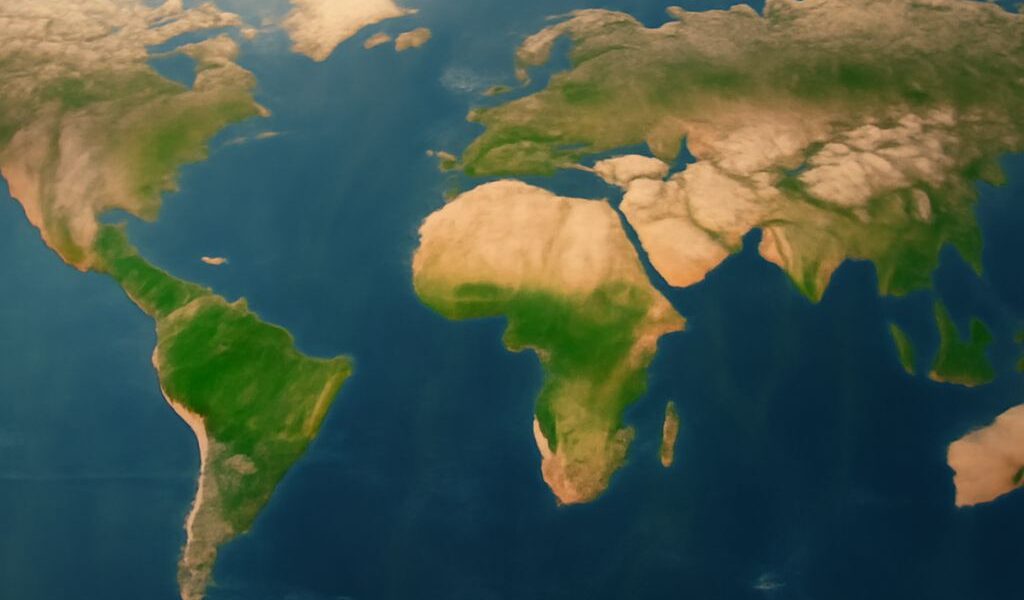
A biomes map is a valuable tool for visualizing the distribution of these ecosystems worldwide. It highlights the variations in climate and geography that define each biome. By examining a biomes map, we can see how these areas are spread across continents and how they transition from one type to another. This visual representation helps us to understand the global ecological framework and the interconnectedness of biomes.
Identifying Your Local Biome
To determine which biome we live in, we need to consider several factors: climate, typical vegetation, and native animal species. For instance, if you reside in a region with cold winters, dense forests, and an abundance of evergreens, you’re likely in a boreal forest biome. Conversely, a warm climate with sparse vegetation might indicate a desert biome.
Using a biomes map, we can pinpoint our location and correlate it with the key characteristics of the surrounding environment. Identifying our local biome not only enriches our appreciation of our immediate environment but also raises awareness of the conservation efforts needed to protect these ecosystems.
Characteristics of Major Biomes
Understanding the specific characteristics of major biomes gives us insight into their ecological roles and the life forms they support. Here’s a brief overview:
- Forests: Encompassing tropical, temperate, and boreal forests, these biomes are defined by dense tree cover and rich biodiversity. They play a crucial role in carbon storage and climate regulation.
- Grasslands: Found in both tropical and temperate regions, grasslands are characterized by vast open spaces with grasses as the dominant vegetation. They support large herbivores and are often used for agriculture.
- Deserts: These arid regions receive minimal rainfall and are home to specially adapted plants and animals. Despite their harsh conditions, deserts host a variety of life forms.
- Tundras: Located in polar regions, tundras have a cold climate and limited vegetation. This biome is crucial for studying climate change due to its sensitivity to temperature shifts.
- Aquatic: Covering oceans, rivers, lakes, and wetlands, aquatic biomes are vital for supporting marine life and maintaining global water cycles.
By exploring these biomes and recognizing the one we live in, we gain a deeper appreciation for the natural world and the importance of preserving these diverse ecosystems for future generations.