 Gloria Davis
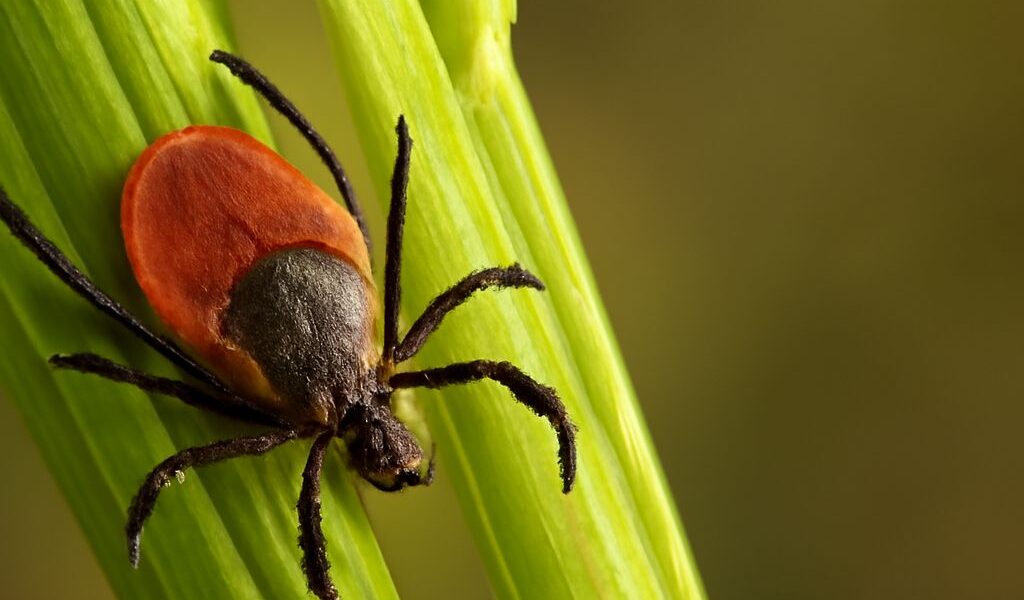
When we think about ticks, it’s easy to focus on the negative aspects, such as their role in spreading diseases. However, have we ever paused to consider why ticks exist and what purpose ticks serve in nature? Surprisingly, these tiny creatures play crucial roles in ecosystems. Let’s dive into the ecological significance of ticks and uncover what ticks are good for in the natural world.
The Ecological Role of Ticks
Ticks are often seen as mere parasites, but they are more than just pests. They play an essential role in maintaining ecological balance. Ticks are part of a broader ecological network that includes numerous hosts like small mammals, birds, and reptiles. By feeding on the blood of these animals, ticks contribute to regulating their populations. This regulation can prevent overpopulation, which might otherwise lead to resource depletion and ecosystem imbalance.
Ticks in the Food Chain
As members of the food chain, ticks provide sustenance for many animals. Birds, amphibians, and other small predators feed on ticks, making them an important food source, especially during breeding seasons when nutrients are crucial. Ticks, therefore, support a variety of species, aiding in biodiversity. What is the purpose of ticks in this context? They ensure the survival of several species by being a consistent food source.
Benefits of Ticks to Forest Ecosystems
Ticks can indirectly benefit forest ecosystems by influencing the behavior and distribution of their hosts. For example, certain tick-borne pathogens can impact the health of deer populations. This, in turn, affects vegetation growth, as deer are significant browsers. By potentially reducing over-browsing, ticks help in maintaining forest undergrowth and thus contribute to forest regeneration and health.
Balancing the Presence of Ticks in Nature
While ticks have their ecological roles, their presence must be balanced to prevent negative impacts on human health and livestock. Natural predators, such as opossums, help control tick populations by grooming and consuming them. Maintaining diverse ecosystems with a variety of species can naturally regulate tick numbers, minimizing the need for human intervention.
In summary, ticks serve functions that might not be immediately apparent. Their roles in population control, serving as a food source, and contributing to forest health highlight their ecological significance. Understanding what purpose ticks serve helps us appreciate the intricate balance of nature, even if ticks are not the most beloved creatures in the animal kingdom.