 Gloria Davis
The tropical rainforest is a treasure trove of biodiversity, home to countless organisms that play integral roles in their ecosystems. With their lush vegetation and complex ecosystem layers, these rainforests support a multitude of species, each with unique traits that contribute to the vibrancy and resilience of their environment. Let’s explore the fascinating world of tropical rainforest organisms and dive into the dynamics of this rich ecosystem.
Biodiversity in Tropical Rainforests
Biodiversity in tropical rainforests is unparalleled, representing over half of the world’s plant and animal species. These ecosystems thrive due to a combination of warm temperatures and high humidity, which create ideal conditions for a wide variety of life forms. From towering trees to the smallest insects, the rainforest is a symphony of life working in harmony.
Among the plant life, we find towering giants like the kapok tree and strangling fig, which support countless other organisms by providing food and habitat. Epiphytes, such as orchids and bromeliads, take advantage of the tree canopy for sunlight and moisture, highlighting the intricate relationships among rainforest species. This dense network of flora provides the foundation for the diverse range of rainforest ecosystem animals.
Rainforest Ecosystem Animals
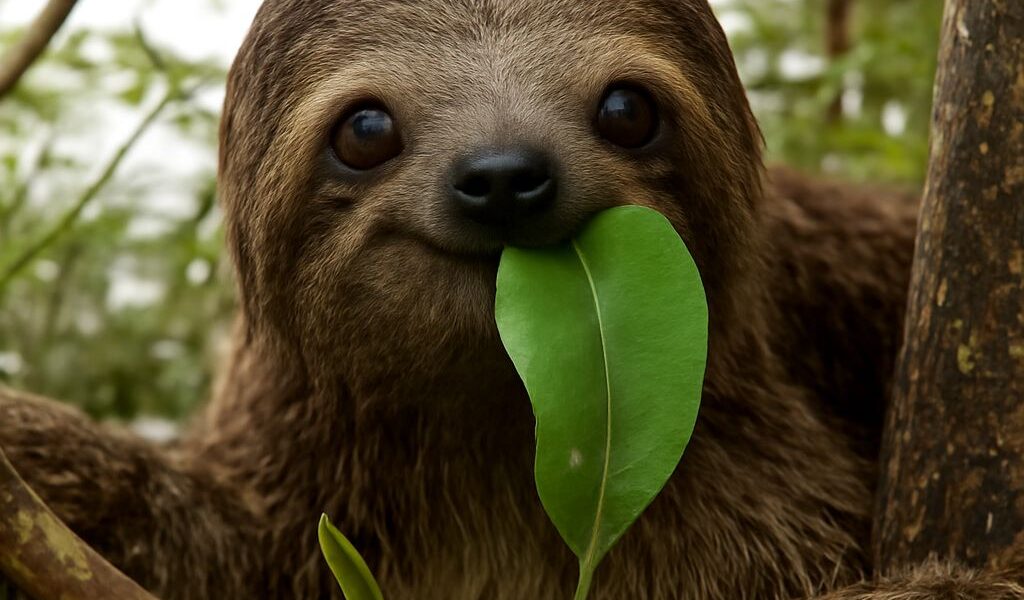
The rainforest is teeming with animals that have adapted to its unique environment. Some of the most iconic rainforest ecosystem animals include jaguars, sloths, and toucans. Jaguars, apex predators, roam the forest floor and play a crucial role in controlling prey populations. Sloths, known for their slow movement, thrive by conserving energy and avoiding predators.
The canopy is alive with vibrant bird species like toucans and parrots, which add color and sound to the rainforest environment. These birds play an essential role in seed dispersion, aiding plant growth and maintaining the balance of the ecosystem. Meanwhile, insects such as butterflies and beetles serve as pollinators, ensuring the continuation of life within the rainforest.
Unique Adaptations of Rainforest Species
Rainforest species have developed a plethora of unique adaptations to survive in their environment. Camouflage is a common survival strategy, with species such as the leaf-tailed gecko blending seamlessly into their surroundings to avoid predators. Additionally, the poison dart frog’s vibrant colors serve as a warning to potential threats, showcasing a fascinating example of defense mechanisms.
Adaptations are not limited to defense; they also include specialized feeding techniques. The long beak of the hummingbird is perfectly adapted to extract nectar from deep within flowers, while the anteater’s elongated snout helps it access insects within tight spaces. These specialized traits illustrate the remarkable ways in which rainforest organisms have evolved to thrive in their complex ecosystem.
In summary, the tropical rainforest is a captivating realm of biodiversity, filled with organisms that have evolved to meet the challenges of their environment in extraordinary ways. By understanding the roles and adaptations of tropical rainforest organisms, we gain insight into the delicate balance and resilience of these vital ecosystems.