 Gloria Glover
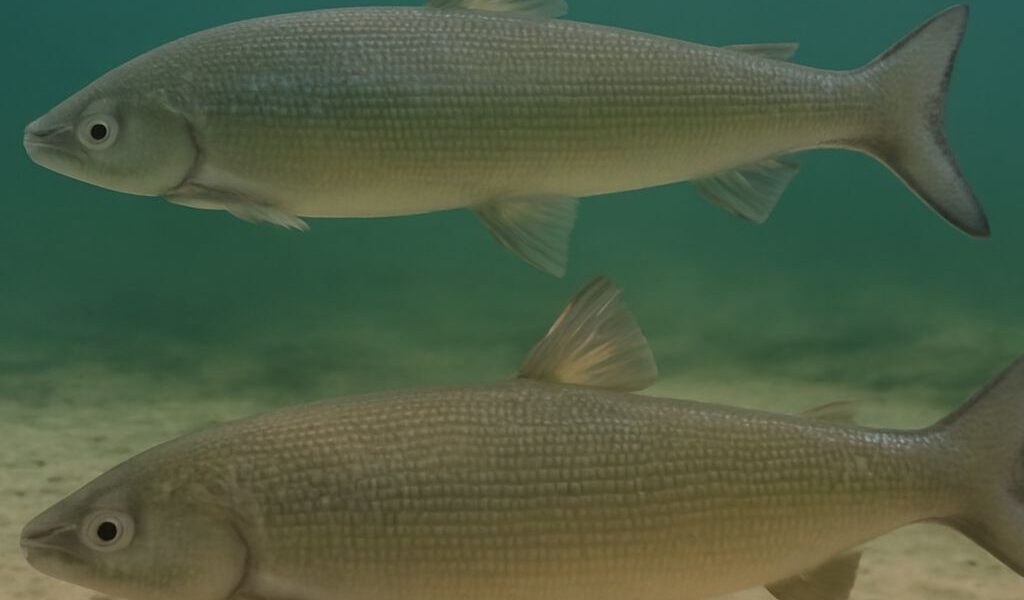
When we talk about Great Lakes whitefish, we’re diving into a world where culinary excellence meets ecological significance. Known for its mild flavor and flaky texture, this fish is a staple in the region’s cuisine and plays a critical role in the Great Lakes ecosystem. That being said, let’s explore why this species is so special, particularly in Lake Michigan, and how it’s sustainably harvested and enjoyed in various recipes.
What Makes Great Lakes Whitefish Special
Great Lakes whitefish, a key player in the aquatic life of the region, stands out for its adaptability and flavor. It’s valued for its mild taste and delicate, flaky texture, making it a versatile ingredient in numerous dishes. Whether smoked, grilled, or baked, this fish is a favorite among chefs and home cooks alike. Its nutritional profile is impressive as well, packed with protein and omega-3 fatty acids, which contribute to heart health.
Ecological Role in Lake Michigan
In Lake Michigan, whitefish play an indispensable role in maintaining the ecological balance. They primarily feed on small invertebrates and fish, helping control these populations and ensuring a balanced ecosystem. As part of the food chain, they are also a crucial food source for larger predatory fish and birds. This intricate web of life underscores the importance of maintaining healthy whitefish populations in the Great Lakes.
Culinary Uses and Recipes
Great Lakes whitefish is celebrated for its versatility in the kitchen. One of the most popular ways to prepare this fish is by smoking it, which enhances its natural flavors and adds a delightful aroma. Grilled whitefish, seasoned with herbs and a splash of lemon, offers a simple yet delicious meal. For those looking to try something different, whitefish can also be used in chowders, tacos, or even turned into a whitefish spread to enjoy with crackers. The possibilities are endless, making it a favorite for culinary experimentation.
Sustainable Fishing Practices
Sustainability is at the heart of fishing practices for Lake Michigan whitefish. Methods are carefully regulated to ensure that fish populations are not overexploited, allowing for future generations to enjoy this resource. By adhering to quotas and using environmentally friendly fishing techniques, such as trap nets that minimize bycatch, we can support the ecosystem’s health and the fishing community’s livelihood. These sustainable practices are essential in preserving the delicate balance of life in the Great Lakes, ensuring that this culinary delight remains available for years to come.