 Gloria Glover
When most of us think about wasps, the first things that come to mind are probably their painful stings and their sometimes unwelcome presence at picnics. However, if we take a closer look, we find that these often-misunderstood insects play crucial roles in our ecosystems. By exploring what purpose do wasps serve and the benefits of wasps, we can better appreciate their place in nature.
The Role of Wasps in Ecosystems
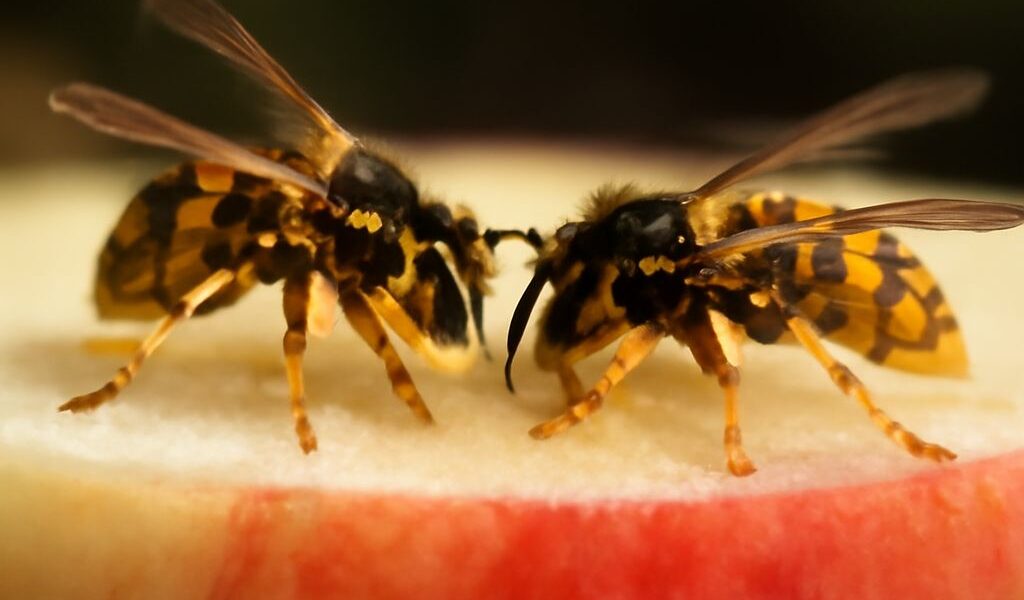
Wasps are integral to the ecosystems they inhabit, performing functions that are essential to the health and balance of the environment. They are classified as secondary consumers, which means they help regulate the populations of other insects, functioning as natural pest control agents. This regulatory role is crucial for preventing any one species from dominating and disrupting the ecosystem.
In addition to controlling insect populations, some wasp species contribute to the decomposition process by consuming dead animal matter. This helps recycle nutrients back into the soil, supporting plant growth and maintaining soil health.
Benefits of Wasps for Pest Control
One of the primary benefits of wasps is their effectiveness in pest control. Wasps prey on a variety of insects that are considered pests to humans, including caterpillars, aphids, and beetles. By keeping these populations in check, wasps help to protect crops and reduce the need for chemical pesticides, which can have harmful environmental impacts.
Farmers and gardeners can appreciate the wasp’s role as a biological control agent. Some agricultural practices even encourage the presence of wasps to naturally manage pest populations, promoting a more sustainable approach to farming.
Wasps as Pollinators
While bees are typically celebrated for their pollination abilities, wasps also play a role in pollinating a variety of plants. Certain wasp species visit flowers to feed on nectar, inadvertently transferring pollen in the process. This pollination is essential for the reproduction of many flowering plants and contributes to biodiversity.
Among the notable wasp pollinators are fig wasps, which have an obligate mutualism with fig trees. This means that both the fig trees and the wasps depend on each other for reproduction. The wasps pollinate the figs, and in return, the fig trees provide a habitat for the wasp larvae to develop.
By understanding the purpose and benefits of wasps, we can begin to view them not as pests but as valuable contributors to the health and balance of our ecosystems. Their roles in pest control and pollination highlight the intricate connections within nature and the importance of preserving these relationships.