 Gloria Davis
Termite mounds are among the most fascinating natural structures found in savannas and forests. Built by African termites, these towering formations serve as both homes and fortresses for their builders. As we explore the intricacies of termite mounds, we’ll uncover the vital role African termites play in their ecosystems, the unique features of these mounds, and their broader ecological impact.
What Are Termite Mounds?
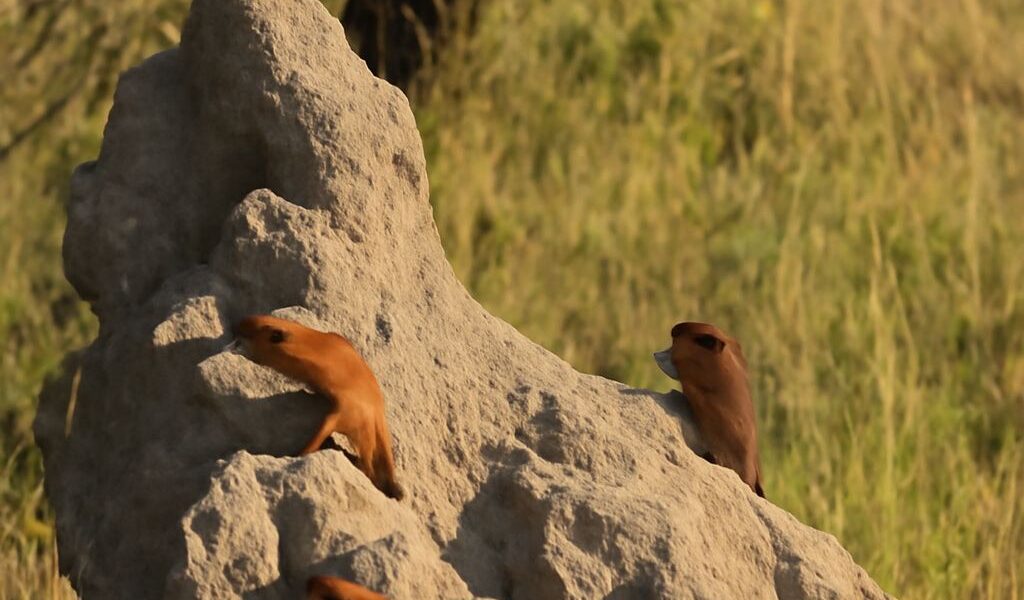
Termite mounds are impressive architectural feats constructed by termite colonies. These structures can reach up to 30 feet in height and are primarily created from soil, saliva, and dung. The mounds serve multiple purposes: they provide protection against predators, regulate temperature and humidity, and facilitate the growth of fungus, which termites feed on. Termite mounds are a testament to the complex social structure and engineering skills of African termites.
Role of African Termites in Ecosystems
African termites are crucial to their ecosystems. They decompose dead organic material, recycling nutrients back into the soil. This process enhances soil fertility and promotes plant growth, which supports a diverse range of wildlife. By breaking down tough plant fibers, termites enable other organisms to access essential nutrients. Their role in nutrient cycling makes them indispensable to maintaining ecological balance.
Unique Features of Termite Mounds
The design of termite mounds is meticulously engineered. Internally, they consist of a network of tunnels and chambers that control airflow and temperature, creating a stable environment for the colony. The outer walls are constructed to withstand extreme weather conditions, from intense sun to heavy rain. Some mounds even feature chimneys for ventilation, highlighting the termites’ advanced understanding of thermoregulation.
Ecological Impact of Termite Activity
Termite activity significantly influences the environment. By aerating the soil through their tunneling activities, termites improve soil structure and water infiltration. This aids in preventing soil erosion and enhances the landscape’s resilience to climate change. Additionally, their role as a food source for various predators links them directly to biodiversity conservation. The ecological impact of termite activity underscores their importance beyond being mere pests.