 Gloria Davis
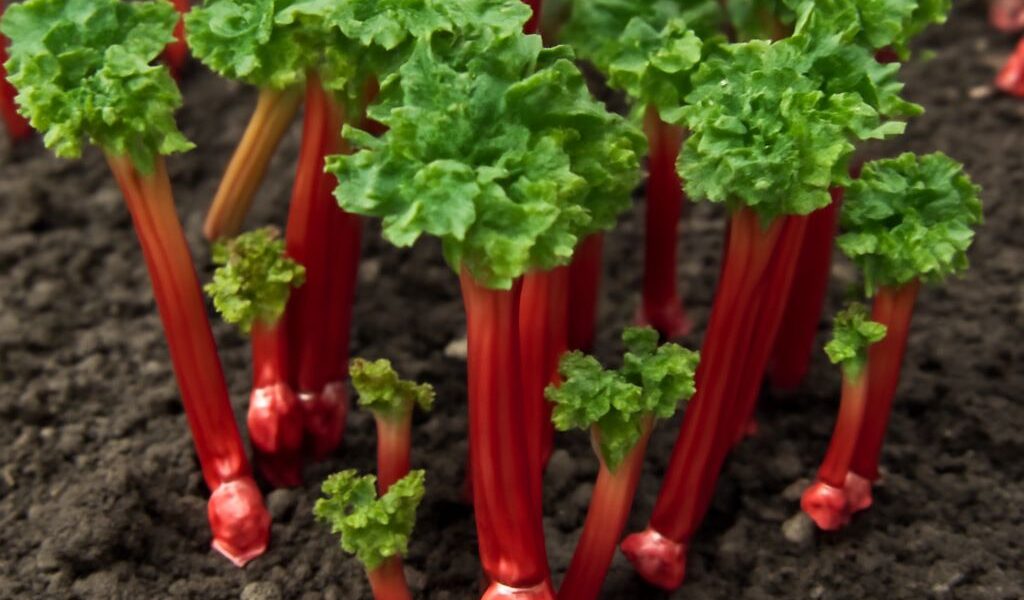
A mature rhubarb plant may look too deeply rooted to move, but its crown can be lifted and divided into new plants. The work is easiest on the plant during dormancy, when its energy is stored below ground and there is little leaf growth to support.
Moving a rhubarb plant begins with a prepared bed and enough space for its broad leaves. Keep substantial roots with each crown, replant promptly and allow the plant to rebuild before taking a full harvest.
Transplanting Rhubarb: Choose the Season
The best time to transplant rhubarb is early spring, as the ground becomes workable and before substantial leaf growth begins. In areas with a suitable fall planting season, late fall after the plant has entered dormancy is another option. South Dakota State University Extension recommends dividing dormant plants in spring or late fall.
Local weather decides the practical day for transplanting rhubarb. Avoid digging frozen ground or working soil so wet that it forms a sticky mass; both make it difficult to prepare a good planting hole. A cool day helps keep exposed roots from drying. If spring shoots have just appeared, handle them gently and replant without delay.
The best season for moving rhubarb also depends on how much time roots have to settle before severe heat or frozen soil. In a region with abrupt cold winters, spring may be simpler; in a mild region, local extension advice can help with fall timing. Do not judge the date solely by a calendar from another climate.
Prepare a permanent bed
Choose a sunny place with fertile, well-drained soil and room for the plant to remain for years. Rhubarb grows large; allow about 3 feet between divisions. Avoid a hollow where water remains after rain, because persistently wet soil can damage crowns. Work compost into the planting area and use a soil test if you need guidance on fertility or pH.
Before moving the rhubarb, prepare holes for its roots. Make each wide enough to accommodate its roots without folding them sharply, and keep the soil nearby for backfilling. Mark the former soil level on the crown so you can restore the same depth. Having the bed ready shortens the time roots spend exposed to sun and wind.
Lift, inspect and divide the crown
To learn how to transplant rhubarb, start by digging a wide circle around the clump. Work a spade beneath it and lift carefully, retaining as much of the root system as practical. A mature crown can be heavy; loosen it from several sides and ask for help if needed. Brush away enough soil to see the buds and the connections between crown and roots.
Look for firm, healthy tissue and visible buds, sometimes called eyes. If the crown is large enough to divide, use a clean, sharp spade or sturdy knife to cut between buds. Give each division at least two or three buds and a substantial portion of roots, as advised by Iowa State University Extension. A root fragment without a bud is not a reliable division. Discard soft, decayed portions rather than planting them.
Knowing how to move a rhubarb plant includes deciding whether to divide it. You can also move a healthy crown intact if you want one plant and can lift it safely. For either approach, keep roots shaded and protected from drying while you work. If planting must be delayed briefly, cover the roots with damp material and keep them cool; avoid leaving them submerged in water.
Set the divisions at the right depth
Place each division in its prepared hole with the buds upward and the crown at approximately its previous depth. South Dakota State Extension recommends this same-depth approach for divisions. Fill around the roots with soil and firm gently to remove large air pockets without compacting the bed.
Water thoroughly after planting so soil settles around the roots. Add organic mulch around the plant to conserve moisture and suppress weeds, leaving the crown uncovered. If the soil settles noticeably, add enough to restore the original level without burying the buds deeply. Keep the bed evenly moist during establishment, while allowing excess water to drain.
Watch for weeds that compete for water, and remove them gently around the shallow crown area. A mulch layer can reduce the need for frequent cultivation. As new leaves emerge, their growth will help replenish the stored reserves used after the move.
Let the plant rebuild before harvest
A transplanted division needs its leaves to feed the developing roots and crown. Avoid harvesting in the first growing season. Extension recommendations differ on the next step: Iowa State advises waiting two years after transplanting, while Oregon State University Extension allows a very light harvest in the second year from an established plant. A cautious choice is to wait through the second year as well, particularly if growth is weak.
In the third season, begin with a limited spring harvest only if the plant has made vigorous growth, leaving plenty of stalks and leaves. Remove and discard the poisonous leaf blades; only the stalks are eaten. If the crown is still small or stressed, give it another season. With room, moisture and time to store energy, the plant can return gradually to a longer harvest in later years.