 Gloria Davis
Swamp ecosystems are intriguing and vital parts of our natural world. These water-saturated environments, teeming with life, play essential roles in biodiversity, water purification, and flood control. Understanding the different types of swamps and their unique characteristics can deepen our appreciation for these ecosystems and highlight their importance.
What is a Swamp Ecosystem?
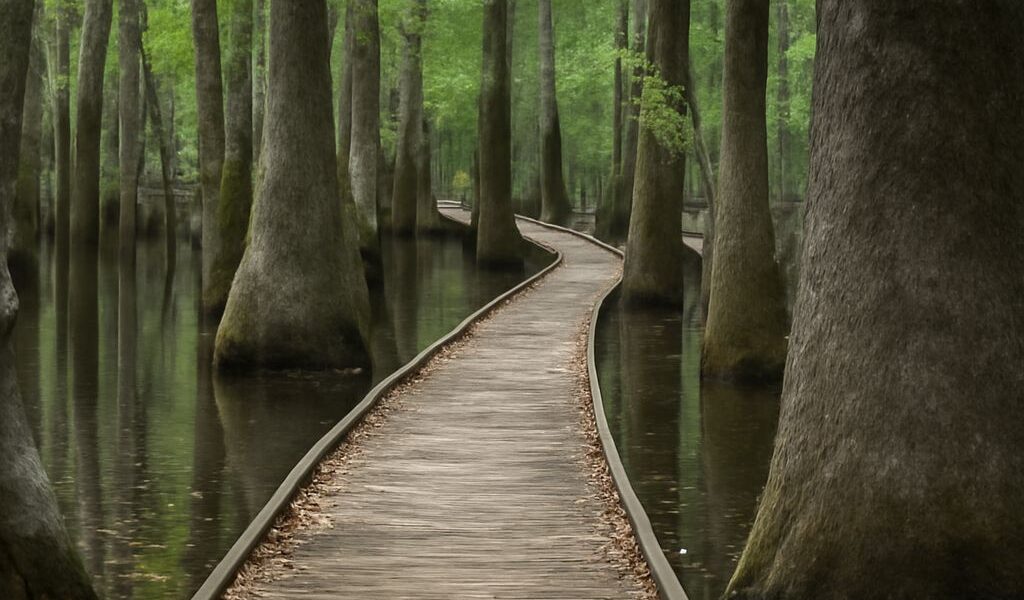
A swamp ecosystem is a type of wetland dominated by woody plants and trees. Unlike marshes, which are herbaceous and grass-filled, swamps are characterized by their lush tree growth. They can be found in both tropical and temperate regions, providing habitats for a diverse array of wildlife. The ever-present water, whether freshwater or saltwater, is a key component that shapes these habitats.
Characteristics of Swamp Ecosystems
Swamp ecosystems are defined by their waterlogged soils and dense vegetation. The water levels can vary with the seasons, but the ground remains saturated. This creates unique conditions that support specialized plant species like cypress, mangroves, and willows. The rich, organic soils are ideal for supporting a wide variety of animal life, from amphibians to large mammals.
These ecosystems are also known for their high levels of biodiversity. The complex interplay of water, soil, and vegetation provides numerous niches for different organisms. Many species have adapted to the challenging conditions of low oxygen and high acidity found in some swamps.
Types of Swamps
Swamps can be broadly categorized into two types based on their water source: freshwater and saltwater swamps.
- Freshwater Swamps: These are typically found inland and are fed by rivers or rainwater. They are often located in low-lying areas near rivers or lakes. The Okefenokee Swamp in the United States is a famous example of a freshwater swamp. These environments support a range of wildlife, including alligators, deer, and a plethora of bird species.
- Saltwater Swamps: Also known as mangrove swamps, these are found along coastlines and are influenced by tidal flows. The presence of salt-tolerant mangrove trees is a defining feature. These swamps provide critical breeding grounds for marine life and help protect coastlines from erosion. The Sundarbans in Bangladesh and India is the largest mangrove forest in the world.
Importance of Swamp Ecosystems
Swamp ecosystems play a crucial role in maintaining environmental balance. They act as natural water filters, trapping pollutants and improving water quality. Swamps also serve as carbon sinks, storing large amounts of carbon that help mitigate climate change.
Furthermore, swamps provide vital flood protection. By absorbing excess rainwater, they reduce the severity of floods in nearby areas. The biodiversity within swamps also supports fishing and tourism industries, which are essential for local economies.
In conclusion, swamp ecosystems are indispensable for both their ecological functions and the benefits they provide to humans. Understanding the various types of swamps and their characteristics can help us appreciate and protect these vital environments.