 Gloria Glover
The tundra is one of the most distinctive and fascinating ecosystems on our planet. Known for its barren landscape and freezing temperatures, this biome offers a glimpse into the resilience of life. Let’s explore the unique characteristics of tundra ecosystems, their habitats, and the challenges faced in cold tundra environments.
What Defines a Tundra Ecosystem?
The tundra ecosystem is primarily defined by its extremely cold climate, lack of trees, and a short growing season. Found in the Arctic and Antarctic regions, as well as on high mountain tops, tundras are characterized by permafrost—a layer of permanently frozen subsoil. Despite these harsh conditions, the tundra is home to a variety of specially adapted plants and animals.
Key Characteristics of Tundra
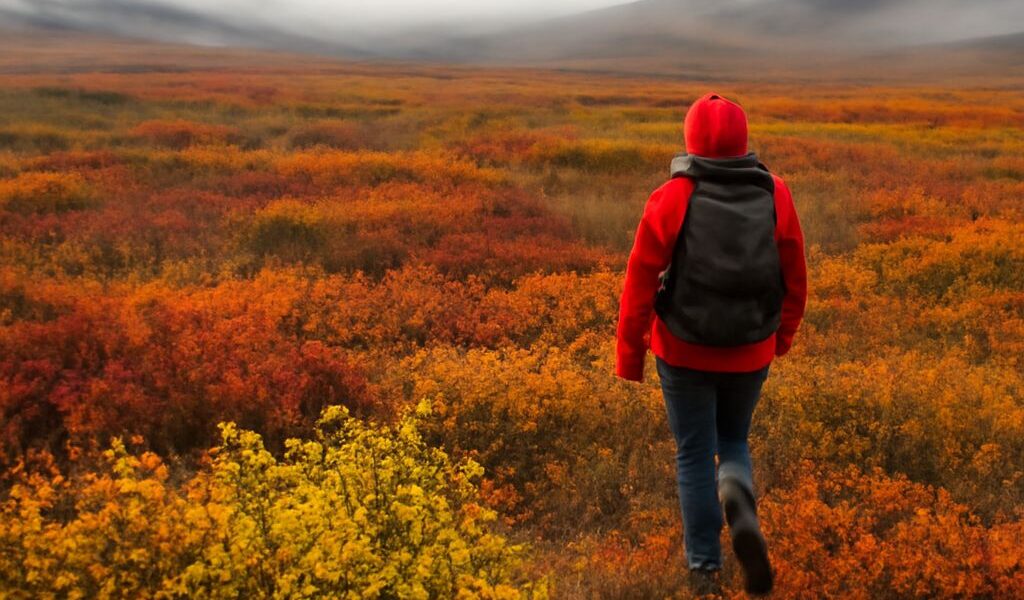
Tundra characteristics include its cold temperatures, which can drop below -30 degrees Fahrenheit in winter. The ecosystem receives minimal precipitation, often less than 10 inches per year, mostly in the form of snow. Its soil is nutrient-poor and acidic, making it challenging for vegetation to thrive. However, mosses, lichens, low shrubs, and grasses have adapted to these conditions. The tundra’s surface is dotted with small ponds and bogs during the short summer, caused by the melting of the upper ice layer.
Understanding Tundra Habitats
The tundra habitat is divided into Arctic tundra and alpine tundra. Arctic tundra is found primarily in the northern hemisphere, encompassing regions like Alaska, Canada, Greenland, and Russia. Alpine tundra occurs on mountain ranges worldwide, above the tree line where temperatures are cold enough to prevent tree growth. Both habitats share similar climatic conditions but differ in soil composition and flora diversity. For instance, alpine tundra often has better-drained soils compared to the soggy, icy soils of the Arctic tundra.
Challenges of Cold Tundra Environments
Cold tundra environments present numerous challenges for both flora and fauna. The primary challenge is the extreme cold, which limits the growing season to only a few months each year. In these conditions, plants must be hardy and capable of rapid growth and reproduction. Animals in tundra habitats, such as polar bears, arctic foxes, and caribou, adapt through thick fur, fat storage, and behavioral changes like migration and hibernation. Additionally, climate change poses a significant threat to the tundra biome, as rising temperatures lead to permafrost melting, habitat loss, and altered ecosystems.