 Gloria Davis
Swamp rose mallow, also known as swamp mallow or scarlet swamp hibiscus, is a vibrant and hardy plant that thrives in wetland areas. Its stunning blooms and adaptability make it a favorite among gardeners looking to add a splash of color to their landscapes. Let’s dive into the essentials of growing and caring for this beautiful plant.
Understanding Swamp Rose Mallow
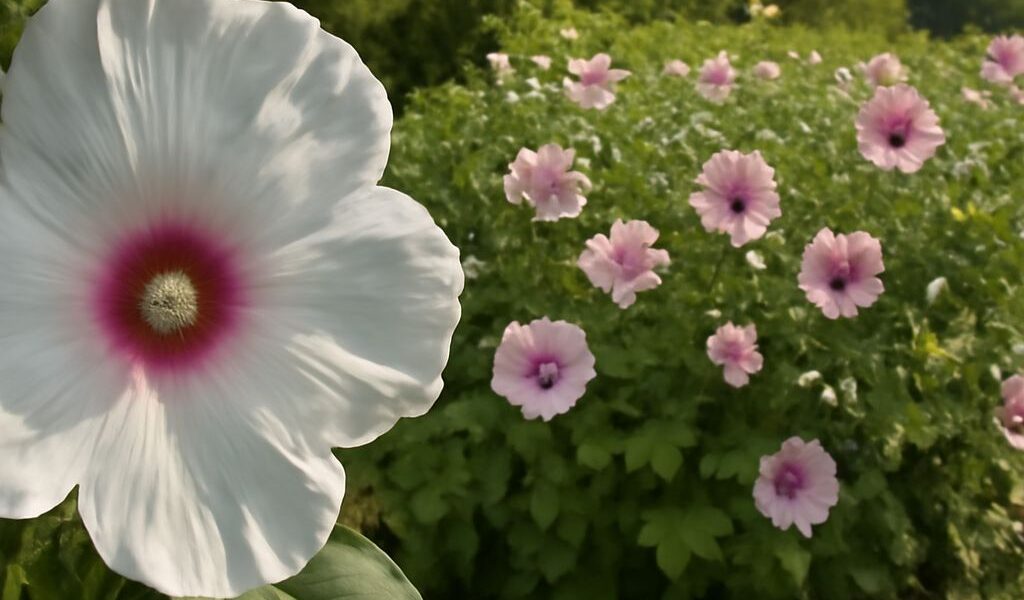
The swamp rose mallow (Hibiscus moscheutos) is a perennial flowering plant native to wetlands in North America. Known for its large, showy flowers, this plant can grow up to 4 to 7 feet tall. The blooms can range in color from white and pink to deep red—the latter often referred to as scarlet swamp hibiscus. Its natural habitat includes marshes, swamps, and riverbanks, where it enjoys wet feet and ample sunlight.
Planting Swamp Rose Mallow
When planting swamp rose mallow, choose a location that mimics its natural environment. It thrives in full sun and consistently moist soil. Early spring is the best time to plant, just as the risk of frost passes. Here’s how to plant it:
- Site Selection: Look for a sunny spot with access to water. Although tolerant of occasional flooding, it should not sit in waterlogged soil for extended periods.
- Soil Preparation: Amend the soil with organic matter to improve moisture retention and drainage.
- Planting Depth: Dig a hole twice as wide and as deep as the plant’s root ball. Position the plant so the top of the root ball is level with the ground surface.
- Watering: Water thoroughly after planting and maintain consistent moisture, especially during dry spells.
Caring for Your Plant
Once established, swamp rose mallow requires minimal maintenance, but a few key care practices will keep it thriving:
- Watering: Keep the soil consistently moist. In drought conditions, increase watering to prevent wilting.
- Fertilization: Apply a balanced fertilizer in early spring to encourage robust growth and blooms.
- Pruning: Prune back dead stems in early spring to make way for new growth. Deadheading spent flowers can encourage further blooming.
- Pest Management: Keep an eye out for aphids and spider mites. Treat infestations with insecticidal soap or neem oil as necessary.
Benefits of Swamp Rose Mallow
Swamp rose mallow is not only a visual delight but also offers several ecological benefits:
- Wildlife Habitat: The plant attracts pollinators like bees and butterflies, enhancing biodiversity in your garden.
- Erosion Control: Its extensive root system helps stabilize soil, making it an excellent choice for areas prone to erosion.
- Native Plant Benefits: As a native species, it seamlessly integrates into local ecosystems, requiring less maintenance and resources.
By integrating swamp rose mallow into our gardens, we can enjoy its beauty while supporting the local environment. Whether called swamp rose mallow, swamp mallow, or scarlet swamp hibiscus, this plant is a remarkable addition to any wetland garden setting.