 Gloria Davis
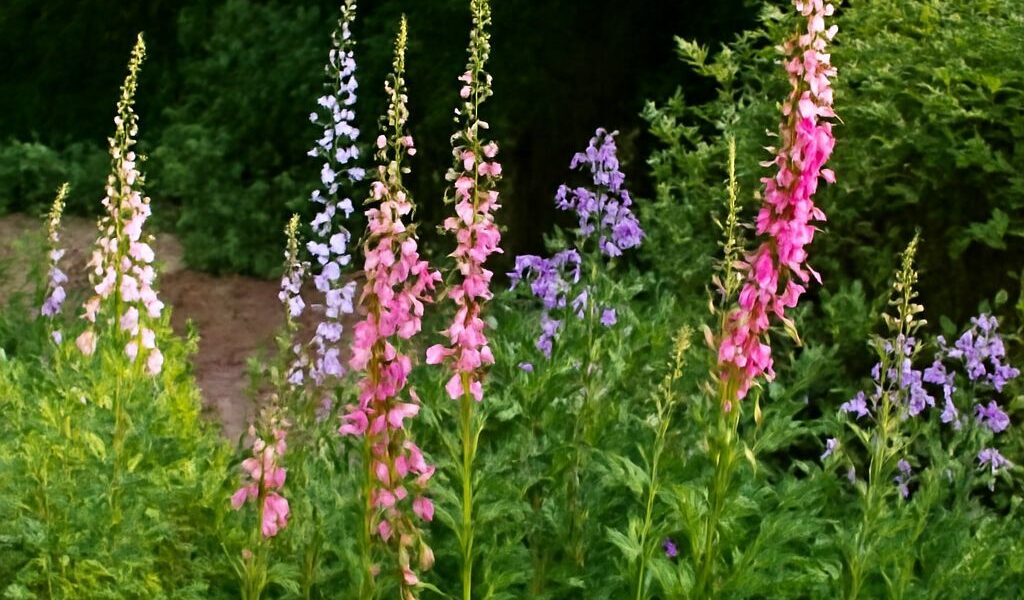
Transforming your garden into a vibrant display of color is easily achievable with foxglove flowers. Known for their tall, striking spikes of tubular blooms, these biennial plants can enhance any outdoor space. Let’s explore how to grow and maintain a beautiful foxglove garden, starting from seed.
Introduction to Foxglove Flowers
Foxglove flowers, belonging to the genus Digitalis, are renowned for their eye-catching blossoms and the ability to attract pollinators like bees and hummingbirds. These flowers typically bloom in late spring to early summer, offering a range of colors from pink and purple to white and yellow. While they can be toxic if ingested, their aesthetic appeal makes them a popular choice for ornamental gardening.
Benefits of a Foxglove Garden
Planting a foxglove garden brings several advantages beyond visual beauty. Foxgloves are excellent for attracting beneficial insects, which aid in the pollination of your garden. They are also relatively low-maintenance once established, making them ideal for gardeners seeking both charm and simplicity. Additionally, their towering height can add vertical interest and depth to garden borders.
How to Grow Foxglove from Seed
Choosing the Right Seeds
When growing foxglove from seed, selecting high-quality seeds is crucial. Look for reputable suppliers that offer a variety of colors to suit your garden’s theme. Many foxglove varieties are available, including Digitalis purpurea, known for its classic pink and purple hues.
Planting and Care Tips
- Sowing Seeds: Start by sowing seeds indoors 8-10 weeks before the last frost date. Foxgloves prefer a well-draining soil mix and a shallow planting depth. Simply press the seeds lightly into the soil without covering them completely, as they need light to germinate.
- Transplanting: Once seedlings have developed a few true leaves, harden them off by gradually exposing them to outdoor conditions. Transplant them into the garden after the risk of frost has passed, ensuring they are spaced at least 1-2 feet apart.
- Watering and Fertilizing: Foxgloves enjoy moist soil but are prone to root rot if overwatered. Water them consistently, allowing the soil to dry slightly between waterings. Apply a balanced fertilizer once a month during the growing season to promote healthy growth.
- Sunlight and Location: These flowers thrive in partial shade but can also tolerate full sun in cooler climates. Choose a spot that offers morning sun and afternoon shade for optimal growth.
Maintaining Your Foxglove Garden
Maintaining a foxglove garden involves regular deadheading to encourage more blooms and extend the flowering period. Cut back the flower spikes once they are spent to prevent self-seeding unless you desire a naturalized look. In colder regions, apply mulch around the base of the plants in late fall to protect against harsh winter conditions. With proper care, foxgloves can become a stunning, long-lasting feature in your garden.