 Gloria Davis
It is tempting to buy one berry bush and expect a bowl of fruit. With honeyberries, the better purchase is usually a pair: these early-flowering shrubs generally need a genetically compatible partner in bloom at the same time. When shopping for honeyberry bushes, look beyond the photograph of blue fruit and ask which named varieties will pollinate each other in your climate.
The plants offered as honeyberries or haskaps belong to the blue honeysuckle group, Lonicera caerulea. They can bring an early harvest to a cool-climate garden, but their performance depends on the variety, the local seasons, and the insects present when flowers open.
Honeyberry Plants: Read the Name Behind the Label
Nurseries use “honeyberry,” “haskap,” and “blue honeysuckle” for related selections, sometimes reflecting their breeding background. The common name alone does not establish which two will cross-pollinate. Record the botanical name and named cultivar of each shrub, and ask the seller for its recommended partner and expected bloom period.
When comparing honeyberry plants for sale, a named, propagated cultivar offers a clearer basis for choosing a compatible companion than an unidentified seedling. Seed-grown plants can vary, so ask how the stock was propagated and whether its identity is documented. Check that both names appear on the invoice or plant tags; those small labels are valuable when the shrubs flower years later.
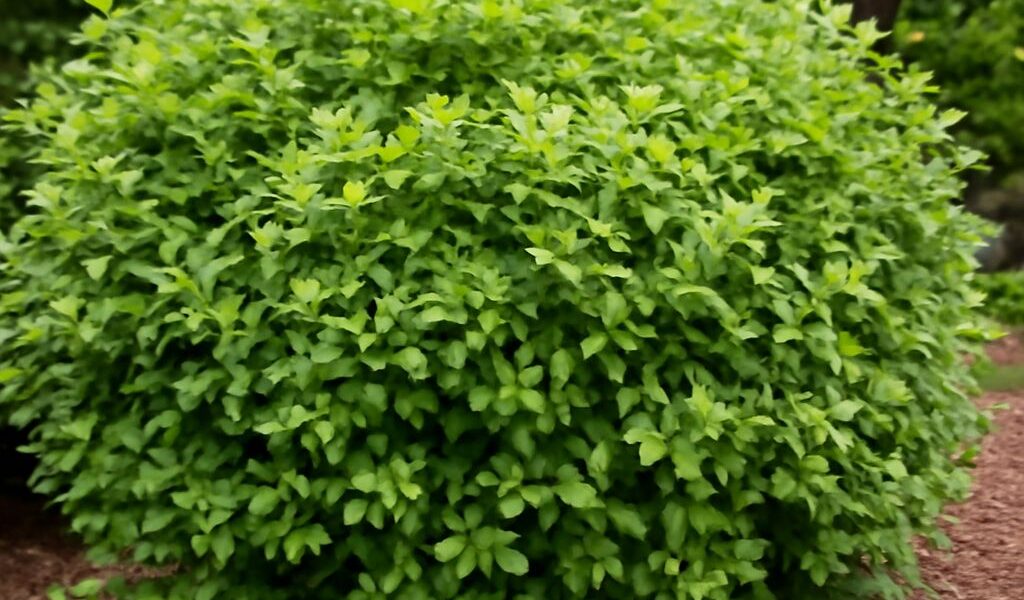
A honeyberry plant can become a substantial shrub. Utah State University notes that some reach about 6 feet high and wide, while form varies with variety. Compare the label’s mature dimensions with the available bed, leaving enough room to pick fruit and move between branches. A small pot tells you little about the space the roots and canopy will eventually need.
Match Flowering and Climate
Choose two distinct cultivars confirmed as compatible, with overlapping flowering times. Different names alone are not proof of compatible pollen. Ask for the nursery’s pollination chart or the breeder’s recommendation, and place the partners near one another so visiting insects can carry pollen between them. Iowa State University gives ‘Boreal Beauty’ and ‘Boreal Beast’ as one compatible pair, and ‘Aurora’ and ‘Indigo Gem’ as another; check their local suitability before ordering.
Spring weather matters as much as the calendar on a catalog page. Early flowers may meet cold conditions when few pollinators are active. Bumblebees can forage in cooler weather, but a cold spring can still limit fruit set. Cultivars with later blooms may fit some regions better.
Cold hardiness is only part of the climate question. Ask your local extension office or a nursery familiar with the area about winter chilling, spring temperature swings, and summer heat. In a University of Maryland trial, four varieties grew poorly and produced little fruit on the Eastern Shore, illustrating why a plant suited to one region may disappoint in another.
Compare the Plants You Receive
Before buying honeyberry shrubs, compare the stated cultivar, plant age or pot size, shipping season, and seller’s replacement policy. A larger specimen may cost more and establish differently from a small one; neither size substitutes for a suitable pollinator. Ask where the plants were propagated and whether the nursery can trace their cultivar identity. Regional experience is useful evidence about climate, while provenance and labeling help you know what you are actually buying.
If you order honeyberry bushes online, arrange delivery for a suitable planting season. On arrival, inspect the stems and roots for damage and look for pests. Dormant stock may lack leaves, so judge its condition in relation to the season and the seller’s instructions. Keep roots from drying out before planting, and contact the nursery promptly if a plant arrives damaged or its label differs from the order. Preserve the packing information until any issue is resolved.
Give the Pair Room to Grow
Choose a sunny site with soil that holds moisture without leaving roots in standing water. In hot areas, seek local advice on afternoon shade and water needs. Prepare enough room for both shrubs at their stated mature widths, with a path for harvesting. Water after planting and during dry periods while roots establish; mulch around the plants, leaving space around the stems.
Haskap berry plants flower early and may ripen in late spring or early summer, depending on variety and location. Fruit often turns blue before it is fully ripe. Taste a berry or check the cultivar’s harvest guidance before picking the whole crop. Birds may find the berries first, so use wildlife-safe netting secured around the planting if needed, and check it regularly.
If you have room for only two bushes, choose a locally recommended, confirmed pollination pair with overlapping bloom and mature sizes that fit the bed. If a seller cannot name the varieties or identify a partner, keep looking for labeled stock from a source that can answer both questions.
Sources: Utah State University Extension: haskap in the garden; Iowa State University: honeyberry growing; University of Maryland Extension: haskap.